 Matzav
Lost for Decades: Rare Rashbam Manuscript Discovered in Moscow Archives
A remarkable discovery in Moscow has brought to light a long-lost manuscript of one of the greatest medieval Torah commentators, ending decades of uncertainty surrounding a work that scholars believed had vanished forever.
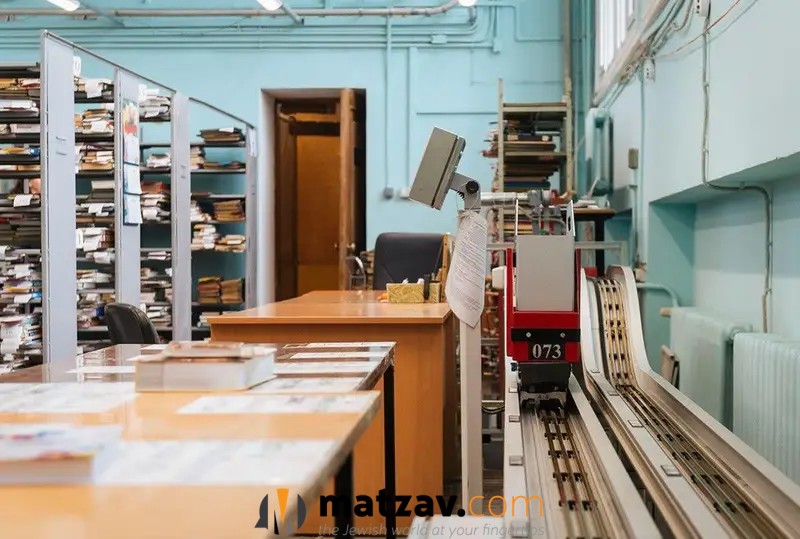
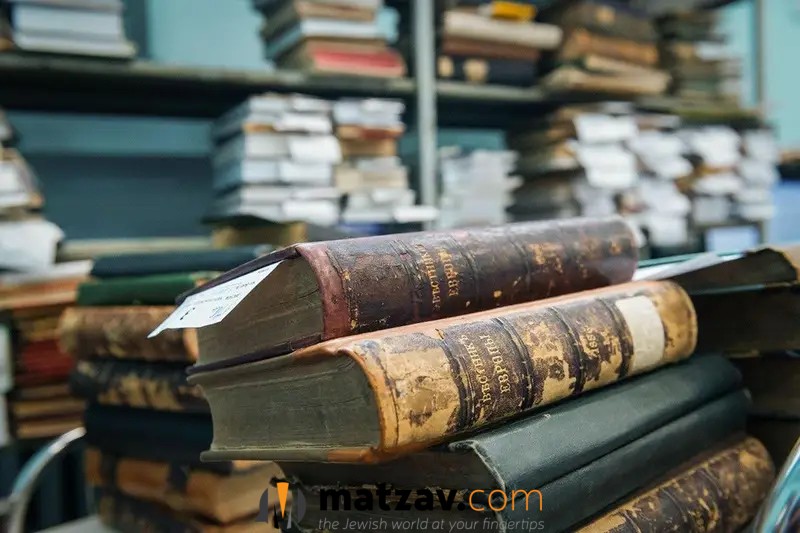
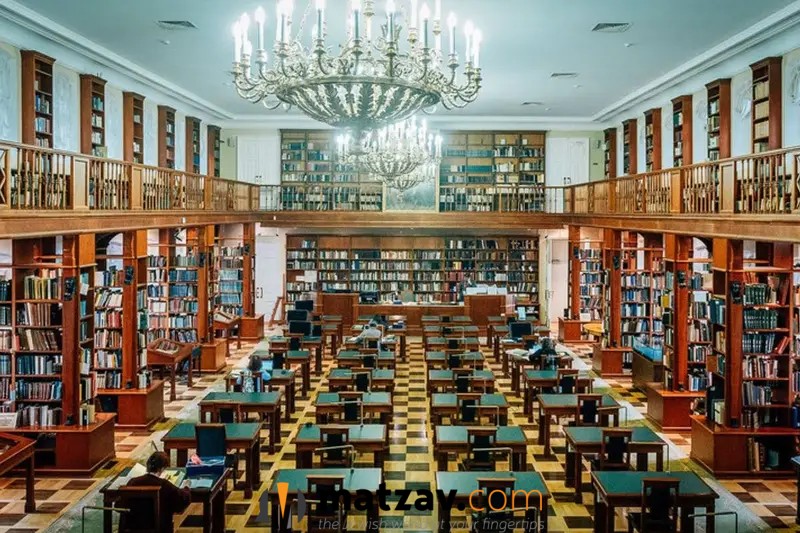
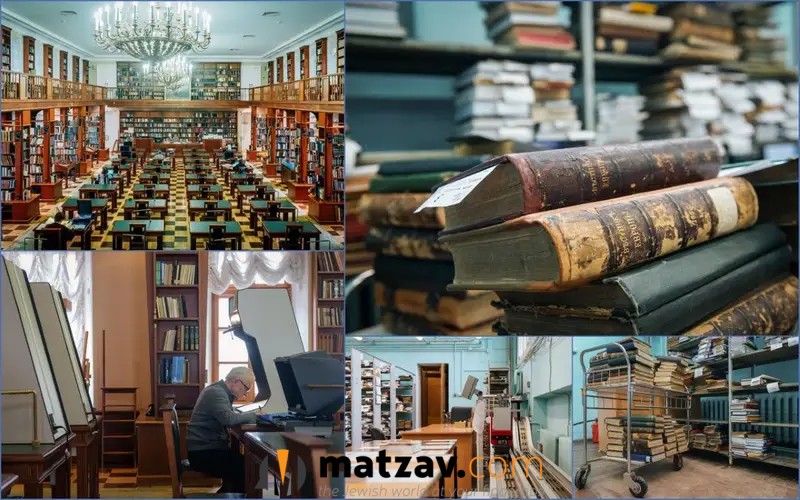
The find was made in the Russian capital’s State Library, where countless historical treasures confiscated during turbulent periods of European history have remained hidden for generations. The revelation comes at a time when Jewish life in Russia is experiencing a significant resurgence, with Torah institutions, yeshivos, and shuls flourishing across the country.
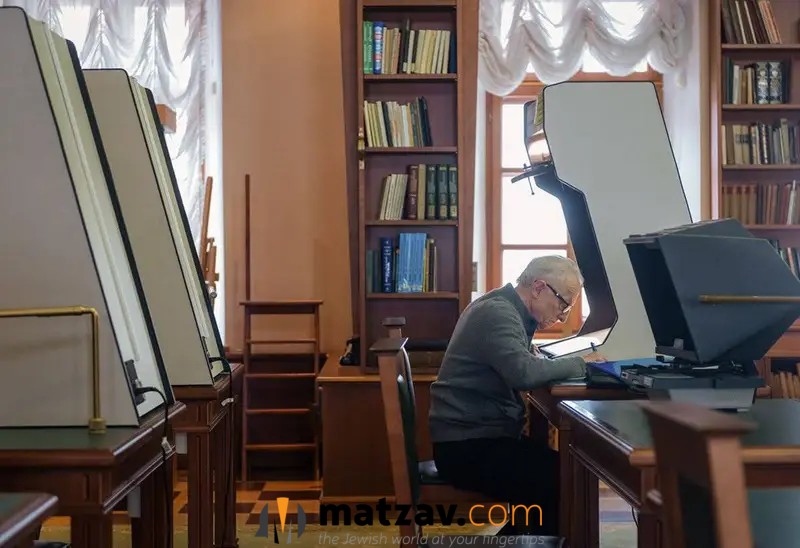
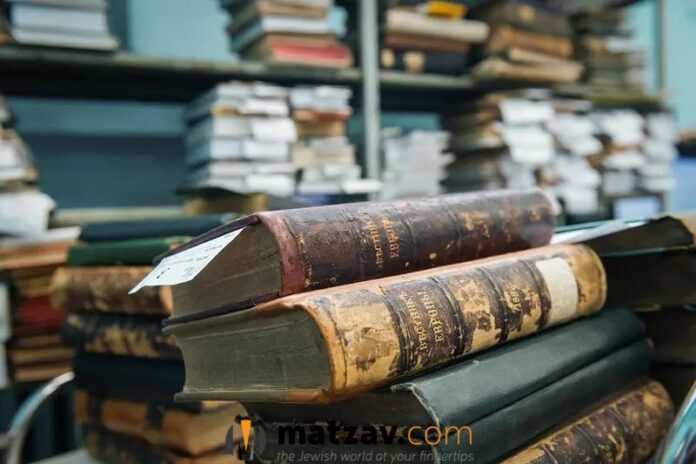
The historic manuscript was uncovered by researcher Yisrael Dubitsky during his work on the famed Ginzburg Collection, which is housed in the State Library. The document contains a Torah commentary authored by Rabbeinu Shmuel ben Meir, the Rashbam, one of the most distinguished figures among the Rishonim. A grandson of Rashi, the Rashbam was renowned for his emphasis on the straightforward meaning of the biblical text and his unique reliance on Hebrew grammar and syntax in explaining the Torah. In some instances, his interpretations differed from those of his illustrious grandfather.
The manuscript discovered in Moscow is known among scholars as “Manuscript No. 103” from the Jewish Theological Seminary of Breslau. It served as the primary source for the first printed edition of the Rashbam’s Torah commentary, which was published in 1881.
After that publication, however, the manuscript seemingly disappeared without a trace and was long considered irretrievably lost. Researchers now believe that following World War II, the document made its way into the Soviet Union, where it became absorbed into archival collections.
According to scholars, the manuscript remained hidden in plain sight for decades because it was mistakenly cataloged as a commentary by Rashi. The error was apparently caused by the absence of a title page, combined with the fact that the surviving text begins in the middle of Sefer Bereishis.
News of the discovery generated excitement among rabbanim and Chabad shluchim throughout Russia, who work under the leadership of Russia’s Chief Rabbi, Harav Berel Lazar shlita. Researchers and Torah scholars alike have described the find as one of great historical significance for the study of medieval biblical interpretation.
Reacting to the discovery, Rav Lazar reflected on its deeper significance.
“In a generation as spiritually impoverished as ours, we suddenly see such light revealed—light that deepens our understanding of Torah and gives us strength to live with the Torah, a Torah of life and a Torah of light that illuminates our lives. The Jewish people are not forsaken. From Above, we are being granted a special light to encourage us and give us the strength to continue spreading Torah everywhere and to every Jew.”
Rabbi Boruch Gorin, chairman of the Jewish Museum in Moscow and head of the L’Chaim publishing house, also expressed enthusiasm over the discovery, calling it a matter of importance for the entire Jewish world.
“We are following these developments with anticipation and great curiosity as we examine the findings more closely. Every word of our great Rishonim that comes to light is a reason for excitement, and we eagerly await the researcher’s full report to understand the magnitude of the treasure that has been revealed.”
As word of the discovery spreads throughout the Torah world, Jewish communities across Russia are celebrating what many see as far more than a scholarly breakthrough. For them, the reemergence of a manuscript thought lost for generations stands as a powerful symbol of the enduring vitality of Torah and the promise that its light can never be extinguished.
The remarkable find serves as a reminder that even after decades hidden away in forgotten archives, the words of the Rishonim continue to illuminate the Jewish people and inspire future generations.