
 Matzav
Iran Says Deal Is Close but Not Done as Pakistan Predicts Breakthrough Within 24 Hours
Iran indicated today that negotiations with the United States are advancing toward a potential agreement, but cautioned that several major issues remain unresolved, despite Pakistani officials expressing confidence that a deal could be completed within a day.
Earlier in the day, Pakistani Prime Minister Shehbaz Sharif announced that American and Iranian negotiators had reached agreement on the final wording of a peace accord and suggested that a digital signing ceremony could take place within the next 24 hours.
Pakistan has served as a key intermediary throughout the negotiations, helping facilitate communication between Washington and Tehran.
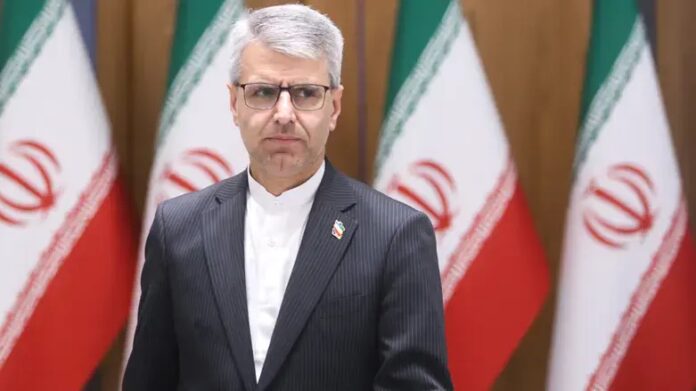
Iranian Foreign Ministry spokesman Esmaeil Baghaei, however, offered a more measured assessment, warning that uncertainty remains and that predictions about the timing of a final agreement may be premature.
“We must be cautious about making any comment about the signing date due to the hesitation of the other side,” Baghaei said, according to Iranian state media.
While he acknowledged that an “Islamabad memorandum” could potentially be signed in the near future, Baghaei stressed that no such signing would occur on Sunday.
“The exact time of signing the memorandum will not be tomorrow,” he said.
Baghaei also stated that Iran’s negotiating delegation has no plans to travel to Geneva or any other foreign location in the coming days, according to reports carried by state media.
The spokesman outlined several issues that Tehran views as essential components of any final arrangement.
Among them, he said, is the release of Iranian assets frozen abroad, which he described as a fundamental element of the negotiations. He also indicated that future policies regarding the Strait of Hormuz remain under discussion as part of the broader agreement.
According to comments reported by Fars News Agency, Baghaei said Iran intends to continue overseeing navigation through the strategically important waterway “in line with protecting national security and the common good of the world community.”
He further stated that Iran plans to impose fees for services provided in the strait, although he did not elaborate on how such charges would be structured or implemented.
The Strait of Hormuz remains one of the world’s most critical maritime passages, serving as a major route for global energy exports and oil shipments.
Baghaei also reiterated Tehran’s opposition to the continued presence of foreign military forces in the region, saying such deployments “must end,” according to Fars.
His remarks came as both Pakistan and Saudi Arabia publicly expressed optimism about the progress of the talks.
Pakistan’s Foreign Ministry announced that Foreign Minister Ishaq Dar and Saudi Foreign Minister Prince Faisal bin Farhan held discussions regarding the negotiations and welcomed what they described as movement toward a final agreement between Washington and Tehran.
The latest comments from all sides suggest that negotiators may be nearing a framework agreement, but significant disagreements involving implementation, the release of frozen Iranian funds, regional security issues, and the future management of the Strait of Hormuz continue to stand in the way of a final breakthrough.