
 JBizNews
20 Attorneys General Sue Trump Administration Over Anti-DEI Rules for Federal Contractors
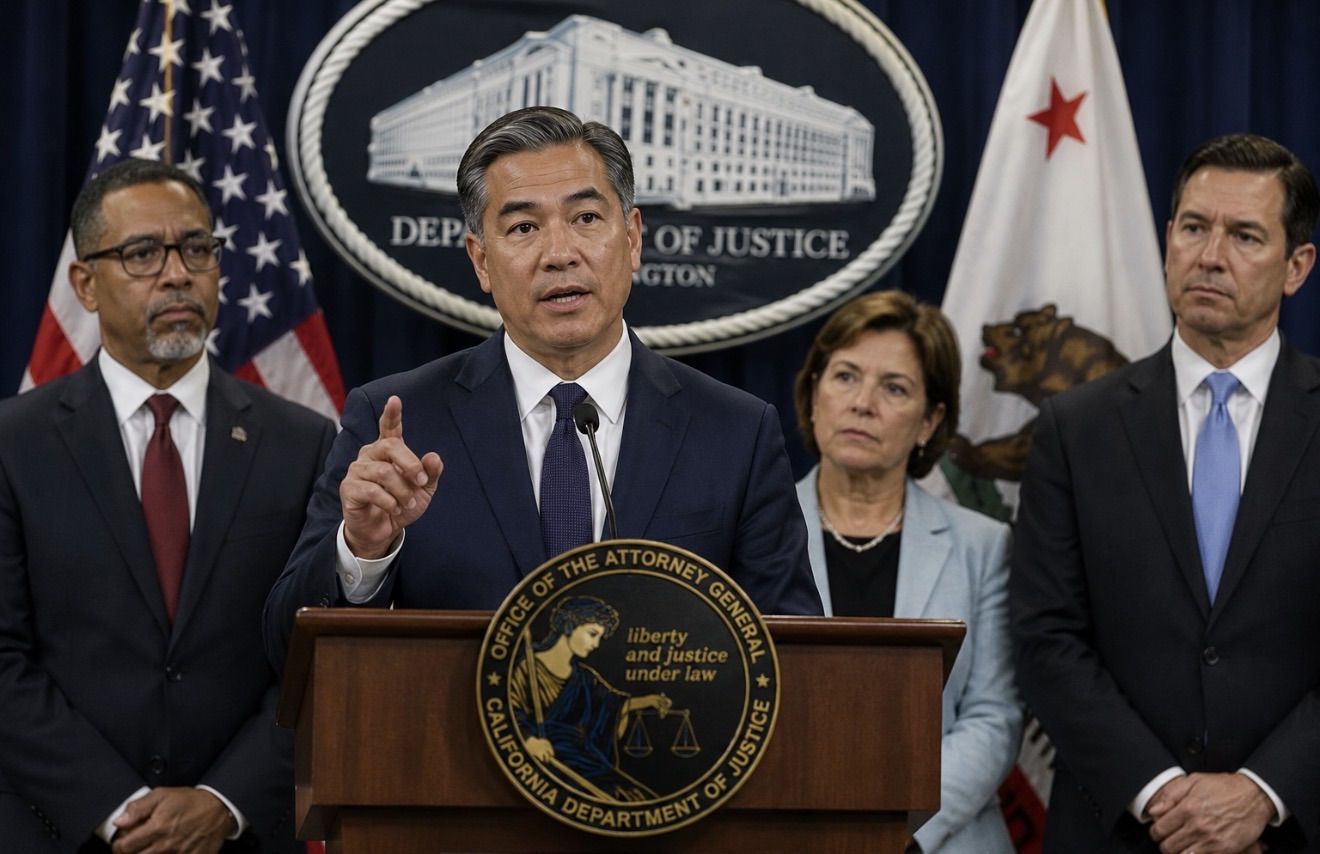
A coalition of 20 state attorneys general sued the Trump administration on Wednesday, asking a federal court to block new federal contracting requirements tied to diversity, equity, and inclusion programs. The lawsuit, filed in the U.S. District Court for the District of Maryland and led by California Attorney General Rob Bonta and Maryland Attorney General Anthony Brown, challenges how federal agencies implemented President Donald Trump’s Executive Order 14398, signed on March 26, 2026.
The executive order directs federal agencies to include language in contracts prohibiting what the administration describes as “racially discriminatory DEI activities” by contractors and recipients of federal funds. The lawsuit does not seek to overturn the executive order itself. Instead, it argues that federal agencies violated federal law when they implemented the policy.
According to the complaint, more than two dozen federal agencies began adding the new contract provisions in April without providing public notice or allowing a formal comment period. The states argue that the requirements are vague, fail to clearly define prohibited conduct, and represent a significant departure from long-established federal contracting standards.
The attorneys general contend that the agencies violated the Administrative Procedure Act, the federal law governing agency rulemaking, and are asking the court to block enforcement of the new contract language.
The potential impact is substantial.
According to federal estimates cited in the lawsuit, the order could affect approximately 640,000 contracts and subcontracts nationwide, including more than 160,000 contracts held by over 34,000 vendors. Federal agencies have been instructed to modify existing contracts by July 24.
For businesses that rely on federal contracts, the concern extends beyond politics. Companies that certify compliance with unclear requirements could face future investigations, contract disputes, suspension from federal programs, or exposure under the False Claims Act, which allows the government to seek significant financial penalties for false certifications.
The coalition argues that the uncertainty places contractors in a difficult position, particularly smaller businesses that may lack extensive legal resources.
The attorneys general describe the lawsuit as a defense of established civil-rights practices. Vermont Attorney General Charity Clark said diversity, equity, and inclusion initiatives are intended to address discrimination and expand opportunity rather than violate existing law.
The coalition includes Democratic attorneys general from states such as California, Illinois, New Jersey, Massachusetts, Connecticut, and others, along with the District of Columbia.
The Trump administration has defended the policy as part of its broader effort to eliminate race-based preferences in government-funded programs. Administration officials argue that federal taxpayer dollars should not support policies that consider race or identity and that contractors can comply simply by eliminating such programs.
Legal experts note that the dispute may ultimately hinge more on procedure than ideology. Federal courts have repeatedly used the Administrative Procedure Act to halt executive actions when agencies failed to follow required rulemaking procedures.
A judge could temporarily block enforcement while the litigation proceeds.
Until then, contractors face a difficult decision: accept the new requirements, challenge them, or wait for the courts to determine whether the rules can legally take effect.
With billions of dollars in federal contracts potentially affected, the outcome of the case could reshape compliance requirements for businesses across the country and influence the future of DEI-related policies throughout the federal contracting system.
JBizNews Desk — Washington
© JBizNews.com All Rights Reserved. Reproduction or distribution without written permission is prohibited.