
 Vos Iz Neias
Trump’s ‘Weak’ Deal, With Lebanon Ceasefire Included, Worries Israel’s Leadership
JERUSALEM (VINnews) — President Donald Trump announced Sunday that the U.S. and Iran have reached a deal after nearly four months of ongoing hostilities.
The deal includes a provision that would reopen the Strait of Hormuz to commercial shipping and end blockades that have caused turmoil in the global economy.
“The Deal with the Islamic Republic of Iran is now complete,” Trump wrote on Truth Social. “Congratulations to all! I hereby fully authorize the toll free opening of the Strait of Hormuz, and, simultaneously herewith, authorize the immediate removal of the United States Naval blockade. Ships of the World, start your engines. Let the oil flow!”
It’s not yet clear whether the deal includes an agreement by the Iranians to abandon their nuclear program and allow its enriched uranium to be removed from the country, as Trump has demanded.
Top Iranian officials have not yet commented publicly on the deal. But Pakistani Prime Minister Shehbaz Sharif, whose country has helped mediate talks, also said a deal was reached and there will be an official signing ceremony in Switzerland on Friday.
Trump, in a later Truth Social post, also confirmed the signing ceremony would be held Friday.“With the opening of the Strait upon the signing of the Deal on Friday, for purposes of mine removal, oil will flow on both ends again for the Region, and the World!” Trump wrote.
President Trump also reportedly expressed frustration with Israeli Prime Minister Benjamin Netanyahu following exchanges of fire between Israel and Hezbollah that nearly disrupted sensitive diplomatic contacts. According to the report, the United States and Israel struck Iran on February 28, but relations between the White House and Israel have since become strained due to differing objectives.
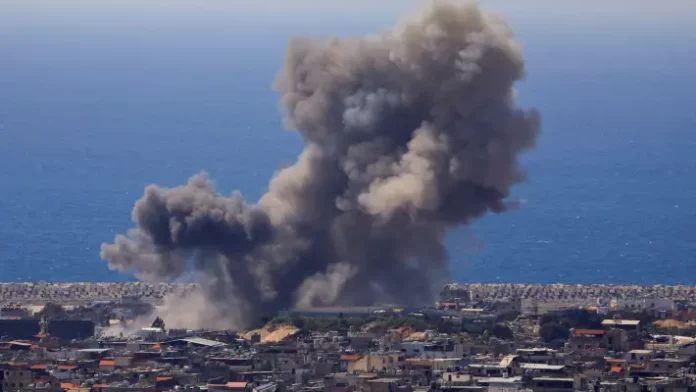
Referring to Israeli strikes in Lebanon on Sunday, Trump said:”Bibi didn’t need to do that. I didn’t like it at all. They fired a few small rockets and missed by a lot.”
He added:”They have to respond, then he responds, and then this whole thing in the Middle East never ends.”
Despite his criticism, Trump maintained that Netanyahu supports the emerging agreement: “Bibi is okay with it. Why is it good for Bibi? Because Iran cannot have nuclear weapons under any circumstances.”
Netanyahu, however, reportedly expressed concern about the terms of the potential agreement.
The confrontation between Israel and the Iran-backed Hezbollah has reportedly become a recurring obstacle to ending the broader conflict with Iran. Similar Israeli strikes to yesterdays attacks have led in recent weeks to tense discussions between Trump and Netanyahu.
Israeli officials were reportedly surprised by Trump’s social media post declaring that:”There should be no more Israeli strikes anywhere in Lebanon.”
At the same time, Trump also called on Hezbollah to halt its attacks against Israel.
In response to the Israeli strike, Mohammad Bagher Ghalibaf threatened that Iran might withdraw from the negotiations.According to him: “The attack once again demonstrated that America either does not want to fulfill its commitments or is incapable of doing so.”
He added:”If you do not have the will and ability to fulfill your commitments, there is no point discussing the road ahead.”
Other Iranian officials also warned that Tehran would respond against Israel. Mohammad Zolghadr, secretary of Iran’s Supreme National Security Council, stated:”The response of the warriors of Islam is near.”
According to a statement posted on the council’s X account:”Lebanon is our lifeline, and any violation of the Islamic Republic’s red lines will not pass in silence.”
The IDF announced Sunday that it was preparing for possible attacks directed at Israel. Netanyahu stated that “Israel will not tolerate attacks on its territory.” Israel also made clear that any Hezbollah attack on Israeli territory would trigger retaliatory strikes in Beirut.
Meanwhile, a delegation from Qatar—one of the mediating states—departed for Tehran on Sunday in hopes of finalizing the agreement, according to a Middle Eastern source and Iran’s Fars News Agency.
According to the report, the preliminary agreement is expected to include:
- Reopening the Strait of Hormuz.
- Lifting the U.S. blockade and sanctions regime against Iran through a memorandum of understanding.
- A ceasefire in Lebanon.
- A provision allowing Israel to respond militarily if attacked.
The proposal reportedly faces opposition from hardliners in Iran as well as from many figures in Israel.
Iranian Foreign Minister Abbas Araghchi faced street protests and criticism from hardliners on Saturday, who accused him of making too many concessions to the United States.
Mediators now reportedly fear that the Israeli strike could strengthen opposition to the agreement among Iran’s hardline faction and increase pressure on Tehran’s negotiating team.
According to people familiar with the matter, Netanyahu opposes the agreement with Iran and has advocated a return to military action. Both Netanyahu’s political opponents and some of his allies have criticized what they view as a weak agreement with Iran, as well as what they perceive as American restrictions on the level of force Israel can use in Lebanon.
According to Israeli officials, during a conversation with President Trump, Prime Minister Netanyahu made it clear that Israel does not consider itself bound by the Lebanese clause in the proposed U.S.–Iran agreement.
Netanyahu reportedly told the American president that the Israel Defense Forces (IDF) would not withdraw from Lebanon, would remain in its current positions, and would continue operating to counter threats from Hezbollah, including the destruction of terrorist infrastructure and responding to any attacks against Israel.
According to the officials, the implication is that the agreement the United States is expected to sign with Iran does not restrict Israel’s freedom of action in the Lebanese arena. The main message, they said, is that Israel has an independent security and strategic interest in Lebanon and intends to uphold it.
It now remains to be seen how these clarifications will stand up in practice, beyond the phone conversation between Prime Minister Benjamin Netanyahu and President Donald Trump.