
 Vos Iz Neias
Yeshiva Student, Just Married, Came To Recruitment Office And Was Promptly Arrested
JERUSALEM (VINnews) — The issue of arrests of yeshiva students and young charedi men by the military continues to stir public debate. On Sunday, a yeshiva student who had gotten married only two weeks ago was arrested on suspicion of desertion, and released a few hours later after official connections were activated.
In an interview with the morning edition of Kol Chai, the detainee’s father-in-law, public activist Eli Rabinowitz, recounted the tense hours, revealed the identities of those who helped resolve the crisis, and issued a sharp warning to yeshiva students in general.
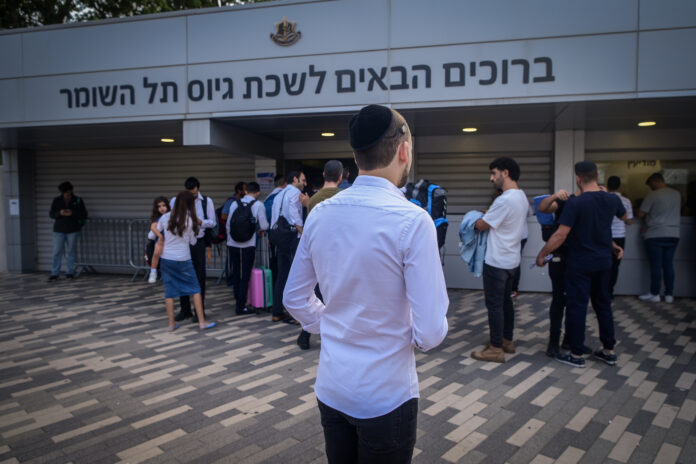
Rabinowitz told the presenters that his newly married son-in-law, who had wed his eldest daughter only days earlier, arrived yesterday morning at the IDF recruitment office in order to submit medical and study documents and regulate his military status. However, to his surprise, he was arrested on the spot on suspicion of desertion:
“My son-in-law, unfortunately, received bad advice from people and lawyers who don’t properly understand this field. It turned yesterday into a very difficult and unpleasant day for the entire family. I learned yesterday that charedi intermediaries here have connections at the highest levels in the IDF and the Military Police, and they are the ones who saved the situation.”
Rabinowitz listed on air the professionals and politicians who personally stepped in to help and apply pressure: “We activated a real operations room. Those who acted decisively and proved themselves effective were the well-known activist Shimon Shisha, attorney Menachem Stauber, and MK Uri Maklev, who made direct calls to the recruitment office. In addition, MK Aryeh Deri and Shas officials also helped greatly, along with other activists whose names I don’t all know. They managed to explain to the army that the young man came voluntarily to regulate his status and that there was no legal basis to hold him in detention.”
Following the incident, the presenters and Rabinowitz issued a clear call to yeshiva students and parents: anyone required to regulate their status with the military authorities must turn only to charedi intermediaries or lawyers who specialize specifically and exclusively in military and security law, and not to general lawyers who do not understand the sensitivities and nuances of dealing with recruitment offices.
Despite the relief over his son-in-law’s release, Rabinowitz used the platform to highlight the suffering of dozens of charedi yeshiva students who have no political connections and remain imprisoned in military jails for extended periods:
“My son-in-law is thankfully home, but my heart aches for the other students who are not released because they have no one to intervene for them. I personally know of a yeshiva student, 22 years old, who has been sitting in military prison continuously for a month and a half.”