
 JBizNews
Europe’s Central Bankers Warn That an Iran Peace Deal Won’t Quickly Undo the Damage From the Energy Shock
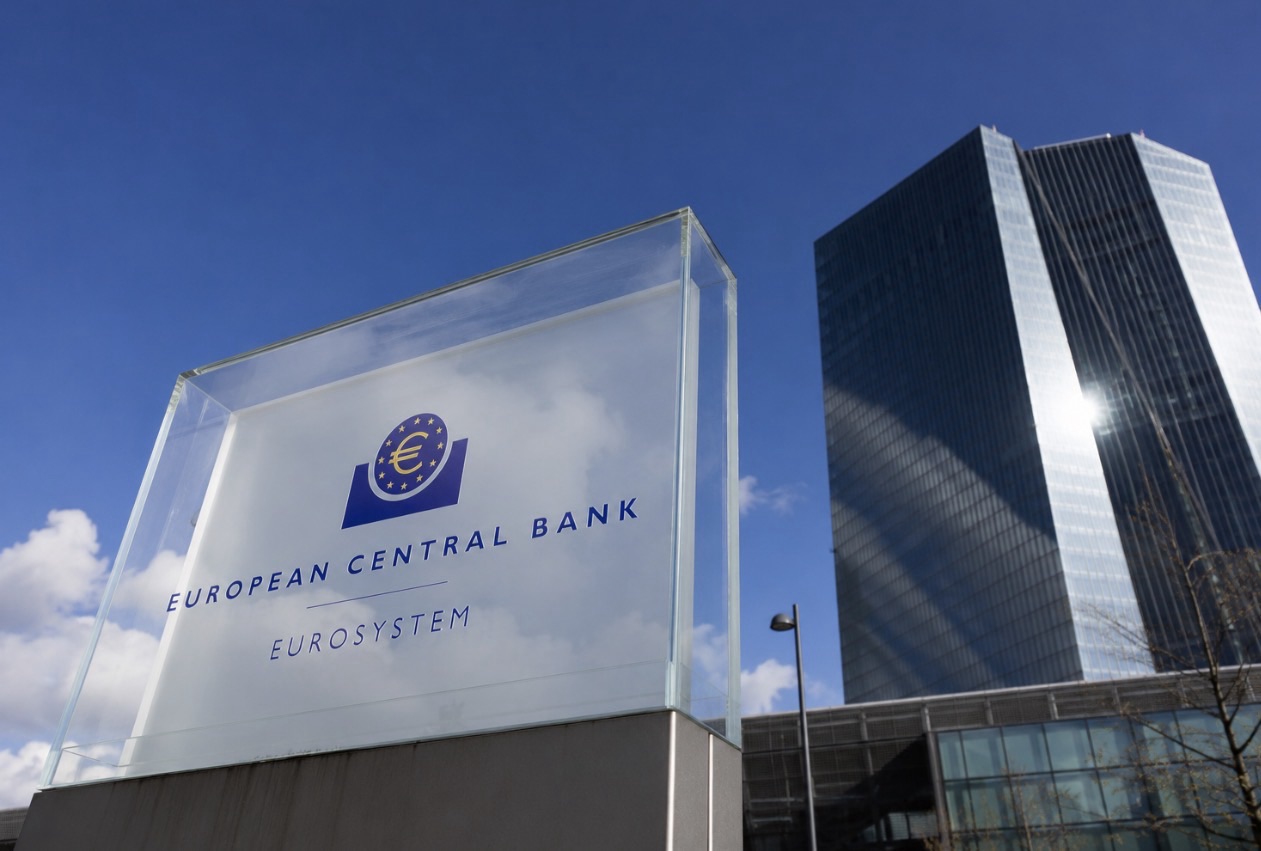
Even if the war in Iran ends, the price increases it set off are not going to disappear with it. That is the message coming from senior officials at the European Central Bank (ECB), who raised interest rates last week and warned that the energy shock has already worked its way too deeply into the economy for a peace deal to reverse on its own.
On June 11, the ECB lifted its key deposit rate by 0.25 percentage points to 2.25%, marking its first rate increase since 2023 and the first move by a major central bank in response to the surge in oil and natural-gas prices triggered by the conflict. ECB President Christine Lagarde said the decision was unanimous and reflected concerns that inflation pressures created by the war were becoming more persistent.
The bank’s chief economist, Philip Lane, explained the concern in simple terms: inflation can outlive the event that caused it.
Once higher energy costs begin spreading through wages, transportation, food, manufacturing, and everyday services, they develop momentum of their own. A manufacturer facing higher electricity costs raises prices. Workers facing higher living expenses seek larger wage increases. Businesses then raise prices again to offset higher labor costs. Economists call this process “second-round effects,” and it is the part of inflation that does not disappear simply because a ceasefire is signed.
That concern helps explain why policymakers remain cautious despite signs that the fighting may be winding down.
The numbers remain troubling. Inflation across the 20 nations that use the euro climbed to 3.2% in May, significantly above the ECB’s 2% target. The central bank now expects inflation to average roughly 3% this year, up from the 2.6% forecast it issued in March, before gradually returning toward target by 2028.
At the same time, economic growth remains weak. The ECB now expects the euro-area economy to expand just 0.8% in 2026, after posting only 0.1% growth during the first quarter. That combination of slowing growth and elevated inflation presents one of the most difficult challenges central bankers face.
A peace agreement may help, but not as quickly as many consumers hope.
The closure of the Strait of Hormuz, which normally handles roughly a quarter of the world’s seaborne oil shipments, disrupted global energy markets for months. In addition, attacks on energy facilities across the Gulf region damaged infrastructure and restricted supplies.
Even as shipping resumes and tensions ease, energy markets cannot immediately return to normal. Facilities must be repaired, inventories replenished, and transportation networks stabilized. Much of the economic damage has already been built into business contracts, household budgets, and corporate expectations.
Not everyone believes the ECB will continue raising rates aggressively.
Mark Wall, chief European economist at Deutsche Bank, described the latest increase as a significant milestone but cautioned that interest-rate hikes can only do so much when inflation originates from a supply shock rather than excessive demand.
Higher rates may cool spending, but they do not produce more oil, natural gas, or electricity.
That reality creates a difficult balancing act for policymakers. Raise rates too aggressively and they risk pushing an already fragile economy closer to recession. Move too slowly and inflation could become entrenched.
For households and businesses, the consequences are becoming increasingly visible.
Borrowing costs are rising just as economic growth weakens. Businesses face higher financing expenses while still coping with elevated energy and transportation costs. Families carrying mortgages, auto loans, or credit-card debt may find monthly payments becoming more burdensome even if fuel prices eventually begin to decline.
The divide among major central banks adds another layer of uncertainty.
While the ECB has chosen to tighten policy, the Federal Reserve in the United States and the Bank of England have so far held rates steady, reflecting a belief that much of the energy shock may eventually fade on its own. The ECB has taken a different view, concluding that inflation risks are too serious to ignore.
Those differing approaches can influence currency values, trade flows, investment decisions, and the cost of doing business across global markets.
What happens next depends largely on whether the energy shock leaves lasting scars.
ECB officials have signaled that another rate increase could come as soon as July if inflation remains elevated, though they have emphasized that future decisions will depend on incoming economic data.
For now, Europe’s central bankers are sending a clear message: even if peace arrives, the economic consequences of the conflict may linger far longer than the fighting itself.
Frankfurt – JBizNews Desk
© JBizNews.com All Rights Reserved. Reproduction or distribution without written permission is prohibited.