
 JBizNews
How Long Until Cheaper Gas? The Hormuz Reopening Timeline, Step by Step
The widely circulated claim that it could take 90 days to clear the Strait of Hormuz does not appear to come from any official mine-clearing estimate. Industry analysts and government officials have offered timelines ranging from several weeks to several months, but no major source has projected a 90-day mine-clearing operation.
Instead, the figure appears to stem from the length of time the strait has already been disrupted. The waterway has been largely closed since February 28, meaning it has been affected for more than 100 days, with many reports previously referring to the closure as lasting “90-plus days.” Somewhere along the way, that closure-duration figure appears to have been mistakenly interpreted as a forecast for reopening.
The actual reopening timeline is considerably more complex.
President Donald Trump and Iranian President Masoud Pezeshkian signed an agreement this week to reopen the Strait of Hormuz, but the date that matters most for consumers is not the signing date — it is how long it takes to safely restore oil flows and bring energy markets back to normal.
The U.S. Energy Information Administration describes the strait as the world’s most important oil transit chokepoint, carrying roughly 20% of global oil and liquefied natural gas supplies under normal conditions.
Phase One: Opening Safe Shipping Lanes
The first step is establishing secure passage through the strait.
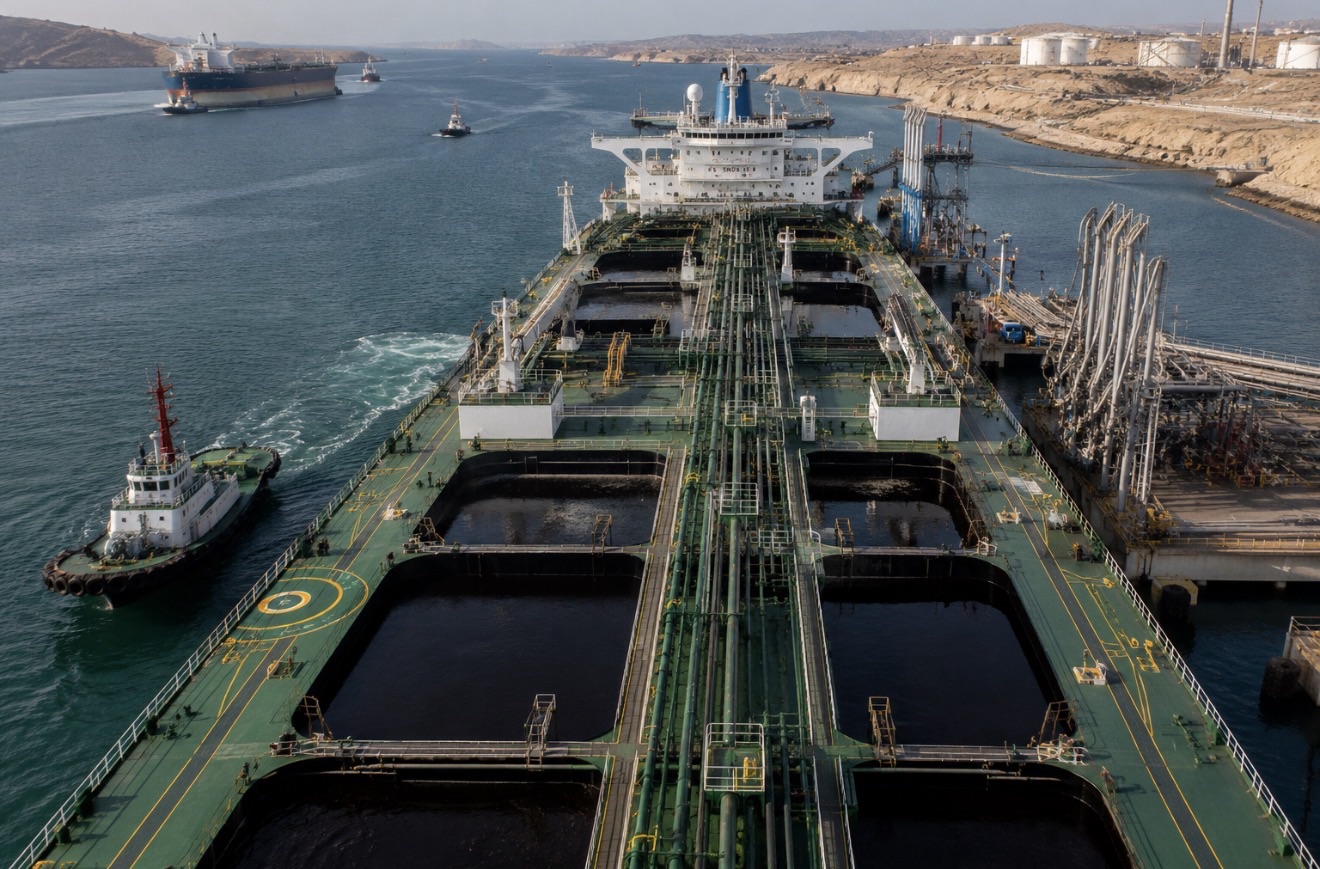
Greg Brew of Eurasia Group estimates it could take two to three weeks to identify and certify safe shipping corridors for large tankers. According to maritime intelligence firm Kpler, roughly 500 commercial vessels remain in the Gulf region, including more than 100 loaded tankers waiting to move.
Some of those ships could begin departing within days, allowing oil already produced and sitting offshore to reach markets. This phase provides the first wave of supply relief.
Crude prices have already begun responding. Brent crude has eased from recent highs, and gasoline prices typically follow oil lower after a short delay.
Phase Two: Mine-Clearing Operations
The more difficult challenge is clearing mines and restoring full confidence among shipping companies and insurers.
A Pentagon briefing to Congress estimated that completely clearing the waterway could take up to six months. Earlier this month, Secretary of State Marco Rubio testified before the Senate Foreign Relations Committee that Iran had mined portions of the strait.
Some maritime-security specialists have suggested shorter timelines, but insurers are expected to remain cautious until waterways are formally certified as safe. European allies, including Britain, France, Germany, Italy, and the Netherlands, are preparing or supporting mine-clearing operations.
Until that work is completed, transportation costs are likely to remain elevated, limiting how quickly gasoline, diesel, and shipping expenses can decline.
Phase Three: Restoring Full Oil Production
Even after shipping lanes reopen, oil production does not instantly return to normal.
Amena Bakr of Kpler estimates it could take two to three months for tankers to complete export cycles and return for new cargoes. Additional time will be needed for Gulf producers to fully restart production that was disrupted during the conflict.
ADNOC CEO Sultan Al Jaber has warned that reaching 80% of pre-war oil flows could take at least four months, while full normalization may not occur until 2027. Saudi Aramco CEO Amin Nasser has issued similar assessments.
What It Means for American Consumers
For U.S. households, the key takeaway is that relief is likely to come gradually.
Gasoline prices may begin easing in the coming weeks as trapped oil reaches global markets, but broader reductions in fuel, transportation, and consumer-goods costs are expected to unfold over many months.
The biggest variable remains the durability of the agreement itself. The deal provides a framework for reopening the strait, but major issues remain unresolved, including future negotiations over Iran’s nuclear program and long-term security arrangements in the Gulf.
If the agreement holds, energy prices should continue trending lower. If tensions return, markets could quickly reverse course.
Early indicators suggest movement is already beginning. TankerTrackers.com reports that Iranian crude shipments have resumed, while Iranian officials say vessels are once again moving through the country’s ports. The International Energy Agency, led by Fatih Birol, has said the market could eventually swing into surplus once Gulf production and exports fully recover.
For now, however, consumers expecting an immediate drop at the pump may need patience. Based on current industry estimates, the path to significantly cheaper gasoline appears measured in months, not days.
JBizNews Desk
© JBizNews.com All Rights Reserved. Reproduction or distribution without written permission is prohibited.