
 JBizNews
Frozen Billions on the Table as Vance Opens Iran Talks in Switzerland
Negotiators face a high-stakes test as discussions begin over Iran’s nuclear program, frozen assets, oil exports, and the future of the Strait of Hormuz.
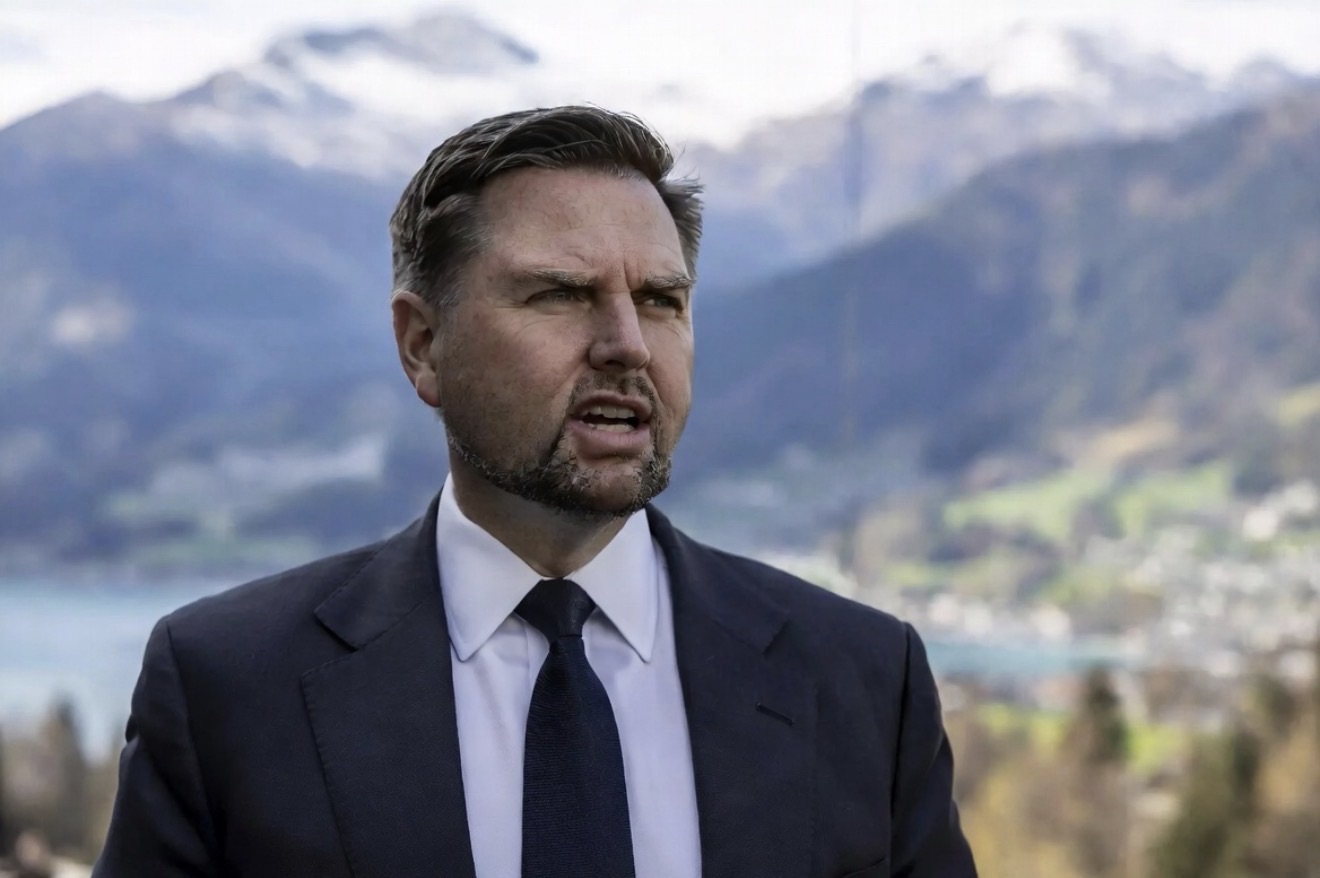
Vice President JD Vance arrived in Switzerland on Saturday to lead the United States delegation in a new round of direct negotiations with Iran, opening what could become the most consequential diplomatic effort between the two countries in years.
The talks, scheduled to begin Sunday at the Bürgenstock resort overlooking Lake Lucerne, are expected to focus on Iran’s nuclear program, regional security concerns, sanctions relief, and the future of the Strait of Hormuz, one of the world’s most important energy corridors.
Before departing Joint Base Andrews, Vance told reporters he expected several days of discussions focused on Iran’s nuclear activities and the fragile ceasefire in Lebanon.
For financial markets and global businesses, however, the most immediate issue may not be diplomacy itself but the enormous amount of money potentially set to change hands if negotiations succeed.
At the center of the discussions is an estimated $100 billion in Iranian funds frozen around the world under sanctions and other restrictions.
President Donald Trump signaled a willingness to move forward with releasing some of those assets during remarks at the G7 summit in France earlier this week.
Speaking about the frozen funds, Trump said the money ultimately belongs to Iran and indicated that mechanisms would eventually need to be established to return it under the terms of the newly signed framework agreement.
Under the memorandum signed Wednesday, Washington agreed to work toward making frozen Iranian assets available for approved uses while negotiations continue.
The first step under discussion involves approximately $6 billion currently held in Qatar.
The funds, largely derived from Iranian oil revenues restricted under U.S. sanctions, would not be transferred directly to Tehran. Instead, Iranian authorities would be permitted to use the money for approved humanitarian purchases such as food, medicine, and medical supplies, with transactions overseen through a controlled mechanism.
Negotiators view the $6 billion release as only the beginning.
Iran is reportedly seeking access to roughly $24 billion in frozen assets as quickly as possible, representing the first phase of a broader effort to regain access to as much as $100 billion held in countries including China, India, Iraq, Japan, and Qatar.
Iranian state media has suggested that Tehran hopes to secure approximately $12 billion during the 60-day interim negotiating period.
The financial incentives come with conditions.
A U.S. official familiar with the negotiations said asset releases would be linked to specific benchmarks, including Iranian cooperation in reopening and securing the Strait of Hormuz, a critical route through which roughly one-fifth of the world’s oil supply passes.
That requirement became more complicated on Saturday after Iranian military officials announced that they were once again closing the strait following renewed tensions linked to Israeli military operations in Lebanon.
The development underscores how closely energy markets and diplomatic efforts have become intertwined.
In addition to discussions about frozen assets, the United States has agreed to permit Iran to resume certain oil exports under a sanctions waiver issued after the interim agreement was signed.
For Iran, the restoration of oil sales may be as important as gaining access to frozen funds.
Years of sanctions have severely restricted one of the country’s primary sources of revenue, and renewed exports could provide a significant boost to government finances and economic activity.
Western diplomats involved in the negotiations argue that the arrangement offers benefits to both sides.
Iran gains access to humanitarian goods and economic relief, while much of the released money is expected to be spent on internationally approved purchases, including agricultural products and medical supplies from Western suppliers.
The negotiations also carry major implications for nuclear security.
Washington is seeking renewed access for international inspectors to Iran’s key nuclear facilities, including Fordow, Natanz, and Isfahan.
Those facilities became focal points during the conflict and have remained largely inaccessible to outside inspectors in recent months.
The International Atomic Energy Agency (IAEA) is expected to oversee a renewed monitoring framework that could include inspections, verification measures, and the dilution of portions of Iran’s enriched uranium stockpile.
The diplomatic lineup reflects the importance both sides attach to the talks.
Special envoy Steve Witkoff and presidential adviser Jared Kushner were already in Switzerland before Vance arrived.
Iran’s delegation is being led by Foreign Minister Abbas Araghchi and Parliament Speaker Mohammad-Bagher Ghalibaf.
IAEA Director General Rafael Grossi is also participating in discussions involving the technical aspects of nuclear oversight and verification.
The talks are being mediated by Qatar and Pakistan, both of which played significant roles in bringing the parties together.
Qatari Prime Minister Sheikh Mohammed Al Thani arrived Friday, while Pakistani Prime Minister Shehbaz Sharif traveled to Switzerland alongside Pakistan’s military chief, Field Marshal Asim Munir.
The negotiations are built around the framework established in the Islamabad Memorandum of Understanding, signed Wednesday by President Trump and Iranian President Masoud Pezeshkian.
The economic stakes extend far beyond the negotiating table.
The Strait of Hormuz remains one of the world’s most important energy chokepoints. Any disruption to shipping through the waterway can rapidly affect global crude oil prices, fuel costs, transportation expenses, and inflation.
A durable agreement that keeps the strait open and allows Iranian oil exports to continue could help stabilize energy markets and reduce upward pressure on fuel prices worldwide.
A collapse in negotiations, by contrast, could quickly revive fears of supply disruptions and renewed price spikes.
Vance sought to keep expectations in check before the talks began, emphasizing that the initial sessions are primarily intended to establish negotiating structures and working groups before more technical discussions take place.
He is expected to remain in Switzerland for only a day or two before expert teams continue the process.
With billions of dollars in frozen assets at stake, oil exports hanging in the balance, and the future of a key global shipping route under discussion, both sides have significant financial incentives to keep the negotiations moving forward.
JBizNews Desk
© JBizNews.com All Rights Reserved. Reproduction or distribution without written permission is prohibited.