
 JBizNews
Walmart, Amazon and Target Pile Up Summer Sales for Squeezed Shoppers
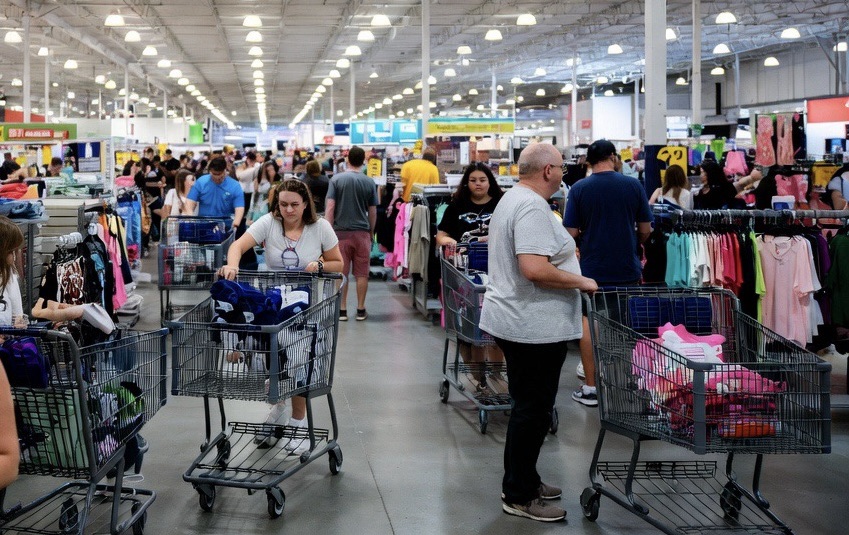
Three of the country’s biggest retailers have confirmed overlapping summer sales that begin the week of Monday, June 22, setting up the most crowded discount stretch in recent memory as inflation-weary shoppers hunt for value. Walmart, Amazon and Target each announced events landing within a day of one another, turning a single week into a head-to-head fight for the same dollars.
Walmart moved first on the calendar. Walmart Deals will run Monday, June 22 through Sunday, June 28 — a seven-day event the company pulled forward from its traditional July slot to line up directly against Amazon. The sale is open to everyone with no membership or code required, with discounts the retailer says reach up to 50% across fashion, beauty, home, electronics and toys. Walmart+ members get early access and a 24-hour window to lock in high-demand deals before inventory opens to all shoppers.
Amazon is going next and tighter. Amazon Prime Day 2026 will run Tuesday, June 23 through Friday, June 26, a four-day event that requires a Prime membership. It is the first time since 2021 that Amazon has held Prime Day in June rather than July, and the company is promising millions of deals across more than 35 categories. A Prime membership runs $14.99 a month or about $139 a year.
Target is matching Amazon’s dates. Target Circle Deal Days, the retailer’s summer version of Circle Week, will run Tuesday, June 23 through Friday, June 26, with early access for paid Target Circle 360 members starting Monday, June 22. Unlike Amazon, Target’s basic loyalty program is free to join. Best Buy is in the mix too, with a Tech Fest sale running June 22 through June 28.
The clustering is deliberate. By stacking their events, the retailers are competing for back-to-school spending and even early holiday shopping, while denying any single rival a clear window. The week of June 22 is shaping up as the single best buying stretch of the year for electronics, appliances and home goods, and each chain is fighting to get shoppers’ carts first.
Last year’s results show why the fight is intense. During the 2025 events, online spending at Walmart.com grew 24% year over year — about six times faster than Amazon Prime Day’s growth — according to card-transaction data from Bloomberg Second Measure. Walmart’s web traffic rose 14% while Amazon’s was flat, and Walmart’s app use jumped 22% against Amazon’s 3%, according to Similarweb. The numbers suggest Walmart’s push into a Prime Day-style event is paying off and pressuring Amazon’s lead.
The backdrop is a strained consumer. Shoppers are absorbing higher costs across groceries, housing and travel, and many are trading down to value-focused chains and store brands. Retailers are bringing promotions forward and cutting prices specifically to attract shoppers worn down by inflation. That pressure was visible the same week elsewhere in retail, as Kroger reported shoppers buying with tighter budgets and discount grocer Aldi detailed an aggressive U.S. expansion aimed at value-seeking customers.
For consumers, the overlap is a mixed blessing. The competition should mean deeper discounts and more price-matching, but the membership rules differ in ways that affect who gets the best access. Amazon’s strongest deals are locked behind Prime, while Walmart and Target keep their main events open to all and reserve perks — early access and item locks — for paying members. Shoppers willing to compare across all three stand to benefit most.
The business stakes go beyond a single week. These events drive membership sign-ups and feed the fast-growing retail advertising businesses that Amazon, Walmart and Target are each building. Winning the June window helps set momentum heading into the second half of the year, when back-to-school and holiday spending help determine how the season finishes.
The events kick off in days, and the early jockeying is already underway, with each retailer rolling out pre-sale discounts to capture shoppers before the official start. For households watching their budgets, the practical takeaway is simple: the biggest markdowns of the summer arrive the week of June 22, and the three largest players are all chasing the same cart at the same time.
JBizNews Desk | New York & Washington
© 2026 JBizNews.com. All Rights Reserved. Reproduction, redistribution, republication, or retransmission of this content, in whole or in part, without prior written permission from JBizNews.com is strictly prohibited.