
 JBizNews
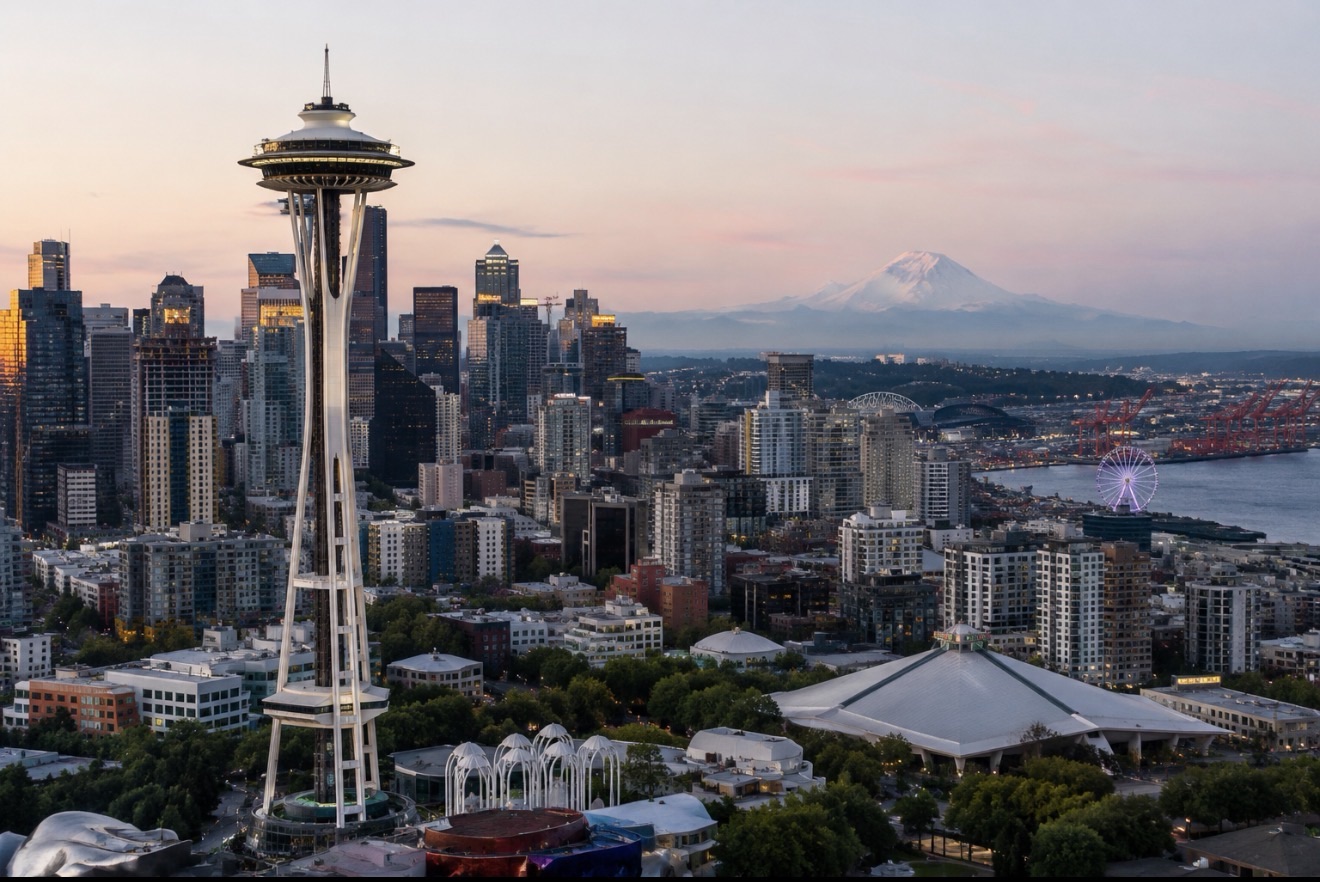
Seattle Is the Only U.S. World Cup Host City Seeing Fewer Air Travelers
As the FIFA World Cup gets underway across North America, most U.S. host cities are enjoying a surge in visitors. But one city is moving in the opposite direction.
According to flight-booking data from travel intelligence firm Sojern, Seattle is the only American World Cup host city where air travel bookings are running below last year’s levels during the tournament period.
The decline is significant. Seattle’s flight bookings are down approximately 21% from the same period a year ago, while nearly every other U.S. host city is seeing gains. Houston is up roughly 13%, Dallas-Fort Worth about 10%, while New York and Miami are each seeing increases of nearly 8%.
“Demand is real and positive, but it’s not evenly distributed across host cities,” said Jay Wardle, president of Sojern.
The drop is surprising because Seattle has fully embraced the tournament.
The city has organized large public watch parties, floating fan events, drone displays, and downtown celebrations centered around Lumen Field. Seattle is also hosting one of the tournament’s marquee early matches, with the United States Men’s National Team scheduled to face Australia on June 19.
Yet while the atmosphere is vibrant, many of the fans attending appear to be local residents or visitors arriving by car rather than by air.
Part of the explanation may be the sheer size of this year’s tournament.
The 2026 World Cup is the largest in history, featuring 48 national teams and 104 matches spread across the United States, Canada, and Mexico. The United States alone is hosting 78 matches, creating far more inventory than previous tournaments.
With so many games taking place simultaneously across multiple cities, not every match has generated the same level of travel demand.
Industry analysts say lower-profile group-stage matches have generally been harder to fill, particularly when ticket prices remain elevated. Seattle is not entirely alone in experiencing softer travel demand. Several host cities in Mexico have also reported booking levels below expectations.
The broader concern is that the tourism boom many cities expected has not yet fully materialized.
An April report from the American Hotel & Lodging Association found that roughly 80% of hotels across the eleven U.S. host cities reported booking levels below earlier forecasts. Some hotel operators described the tournament’s impact as weaker than anticipated and pointed to visa challenges, international travel restrictions, and global economic uncertainty as factors limiting attendance.
Several hotel operators also expressed frustration after FIFA reduced or canceled previously reserved room blocks, leaving some properties scrambling to replace expected bookings.
International travel restrictions have likely played a role as well.
Fans from some countries face additional visa hurdles when traveling to the United States, while others face longer processing times or greater uncertainty. Those barriers can significantly affect international sporting events that traditionally rely on overseas visitors.
Still, travel companies believe the final numbers could improve.
Sojern notes that more than one-third of hotel bookings associated with major sporting events historically occur within the final week before arrival. That means many travelers may not have booked yet.
Major hospitality companies remain optimistic.
Marriott International says it is seeing healthy demand in both World Cup and non-World Cup markets and expects the tournament to provide a modest boost to revenue. Airbnb is even more bullish, projecting that the World Cup could become the largest event in the company’s history, surpassing the travel demand generated by the 2024 Paris Olympics.
Many World Cup visitors are choosing vacation rentals over hotels, particularly families and groups planning longer stays.
For local businesses, the lesson is that the tournament’s economic impact is proving uneven.
High-profile matches, host-nation games, and the championship match at MetLife Stadium in East Rutherford, New Jersey, are still expected to generate strong visitor spending. Smaller group-stage matches have produced more mixed results.
That leaves Seattle in an unusual position.
The city is hosting one of the tournament’s most energetic fan celebrations and one of Team USA’s biggest early matches. Yet it remains the only American host city where fewer travelers are arriving by air than they did a year ago.
For hotels, restaurants, retailers, and tourism businesses hoping for a World Cup windfall, the excitement on the streets may not necessarily translate into the economic boost many expected.
JBizNews Desk
Seattle
© JBizNews.com All Rights Reserved. Reproduction or distribution without written permission is prohibited.