
 Matzav
‘Absolute Zero’: Senior Shas Rabbinic Leaders Wage Fierce Battle Against Karhi Communications Reform
Israeli Communications Minister Shlomo Karhi’s proposed communications reform is facing mounting opposition after newly revealed recordings showed senior rabbinic leaders affiliated with Shas strongly objecting to the legislation, potentially placing its future in doubt as lawmakers race to advance it through the Knesset.
The controversy erupted as a Knesset committee continued marathon discussions aimed at approving the bill before any possible dissolution of the government. The recordings suggest that several leading rabbinic figures believe the proposal could lead to a significant increase in Sabbath desecration.
The reform would replace the aging “Idan Plus” television system with a free, government-operated streaming platform.
Under the plan, viewers would be able to access all major Israeli television channels, including Keshet, Reshet, Kan, Channel 14, Channel 15, Channel 16, and others, through smartphones, tablets, and smart televisions without requiring antennas, converters, or monthly subscription fees.
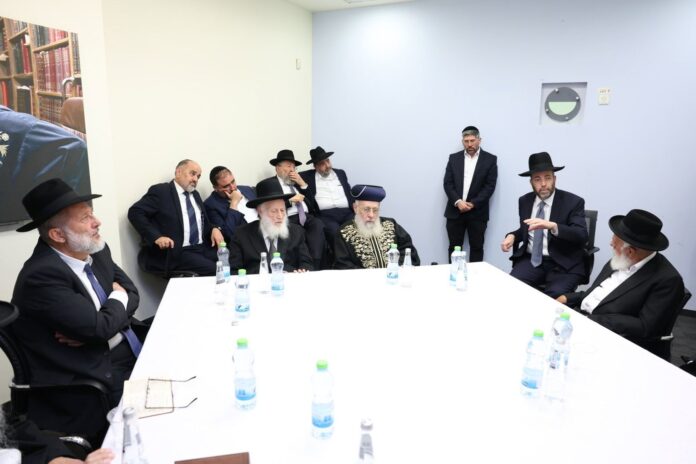
According to recordings aired by Channel 12 News, members of Shas’ senior rabbinic leadership are deeply concerned that the ease of access provided by the new platform will encourage greater viewing of television programming on the Sabbath.
Rav Reuven Elbaz delivered one of the most forceful criticisms of the proposal.
“Opening a channel (an application), so that people will begin watching movies on Shabbos and watching games on Shabbos — that is absolute zero. It is not the way of the Jewish people. In my opinion, whoever did such a thing, I fear will not escape judgment.”
Rav Elbaz also argued that the proposal would undermine efforts to bring Jews closer to religious observance.
“It does not allow repentance to be complete,” Rav Elbaz said. “Tell him (Minister Karhi) that as far as my people are concerned, I will under no circumstances agree, and I will publicly declare that under no circumstances is this permissible. It is forbidden to do such a thing.”
He further dismissed any attempt to defend the measure based on outward appearances or symbols of religiosity.
“He can wear a kippah on his head, a sackcloth, I do not care what he wears. Let him wear a fool’s hat, let him wear a kippah — that is nonsense. It is absolutely and completely forbidden for a person to do such a thing. That is all.”
Another senior Shas rabbinic leader, Rav Shlomo Machpud, was also recorded expressing strong opposition to the legislation.
“Heaven forbid, heaven forbid. Something like this creates Shabbos desecration on an unprecedented scale. It cheapens the sanctity of Shabbos.”
The recordings surfaced as opposition to the reform continues to grow. Earlier, a rabbinical committee issued a sharply worded letter urging lawmakers to oppose the measure and warning of its potential consequences.
Karhi has repeatedly rejected the criticism and recently defended the proposal during a heated television interview, arguing that the reform would actually reduce Sabbath desecration rather than increase it.
According to the minister, the existing Idan Plus system costs the government approximately 40 million shekels each year and requires technicians to maintain the network around the clock, including on the Shabbos.
“Today, the Idan Plus system costs the state 40 million shekels a year. The system employs technicians 24 hours a day who maintain it even on Shabbos. We are eliminating that. It becomes an internet site, like any government website or religious website that does not shut down its servers on Shabbos, but there are no technicians actively desecrating Shabbos.”
{Matzav.com}