
 Matzav
‘I Didn’t Even Get to Say Goodbye to My Wife’: Aviel Cohen Recounts Arrest, Imprisonment, and Unexpected Release
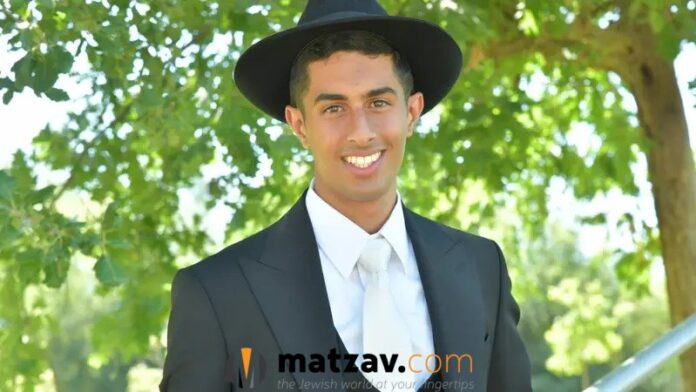
Aviel Cohen, the yungerman whose arrest by military authorities sparked widespread public outcry, has spoken publicly for the first time since his release from military prison, describing the dramatic moments of his detention, the challenges he faced behind bars, and the faith that sustained him throughout the ordeal.
Cohen, who was released on Erev Shabbos after spending four days in military custody, shared his story in an interview with Nati Kalish on Chadashos Anash on Kol Chai. Looking back on the experience, he said he felt as though he had been forcibly taken away without warning.
“That’s how I would describe it—that I was simply kidnapped,” he said.
According to Cohen, the arrest occurred while he was traveling with his wife near Netivot on his way to arrange enrollment in a new kollel. He said that after noticing a police checkpoint, he altered his route and was later stopped near the Gilat Junction by traffic police and military police officers.
“Within seconds they took my ID card, driver’s license, and phone. They put handcuffs on me, and I didn’t even have a chance to say goodbye to my wife,” he recalled.
Cohen further alleged that when his wife attempted to notify family members about what had happened, one of the officers threatened to confiscate her phone as well.
He said he was initially transported to a military facility in southern Israel and later transferred to military prison, remaining handcuffed for extended periods throughout the process.
According to Cohen, the journey was accompanied by difficult conditions, including going an entire day without food and experiencing repeated difficulties obtaining permission to stop for a restroom break.
“They told me it was procedure and that they couldn’t stop,” he said.
Once inside the prison, Cohen said one of the most difficult aspects of his confinement was not knowing what had happened to his wife after the arrest.
“The last time I saw her was at the Gilat Junction, and after that I had no idea what was happening with her,” he said.
He also recounted that during the early days of his incarceration, detainees were not permitted to participate in a minyan. According to Cohen, one prison guard bluntly told him, “You’re in prison, not in yeshivah.”
Despite those challenges, Cohen said conditions later improved, allowing detainees to organize prayer services, learn Torah together, and provide spiritual encouragement to fellow inmates.
He described his release as a personal miracle. Cohen said he had prayed intensely to be freed before Shabbos so he could spend time with his wife during their first year of marriage.
According to Cohen, he was unexpectedly informed that he would be released the following morning.
Following his release, he expressed gratitude to Hashem, to his wife for tirelessly advocating on his behalf, to his family members, and to those who assisted him throughout the process. He specifically thanked attorney Rabbi Shlomo Haddad and MK Moshe Abutbul, whom he credited as being among the key figures who worked for his release and even visited him while he was incarcerated.
Concluding the interview, Cohen offered words of encouragement to others facing similar circumstances.
“The first days are difficult, but with faith and joy you can get through anything. Someone who remains steadfast in his path can make it through.”
{Matzav.com}