Matzav
20 Years Later: Newly Released IDF Records Reveal the Chaotic Hours of Gilad Shalit’s Abduction
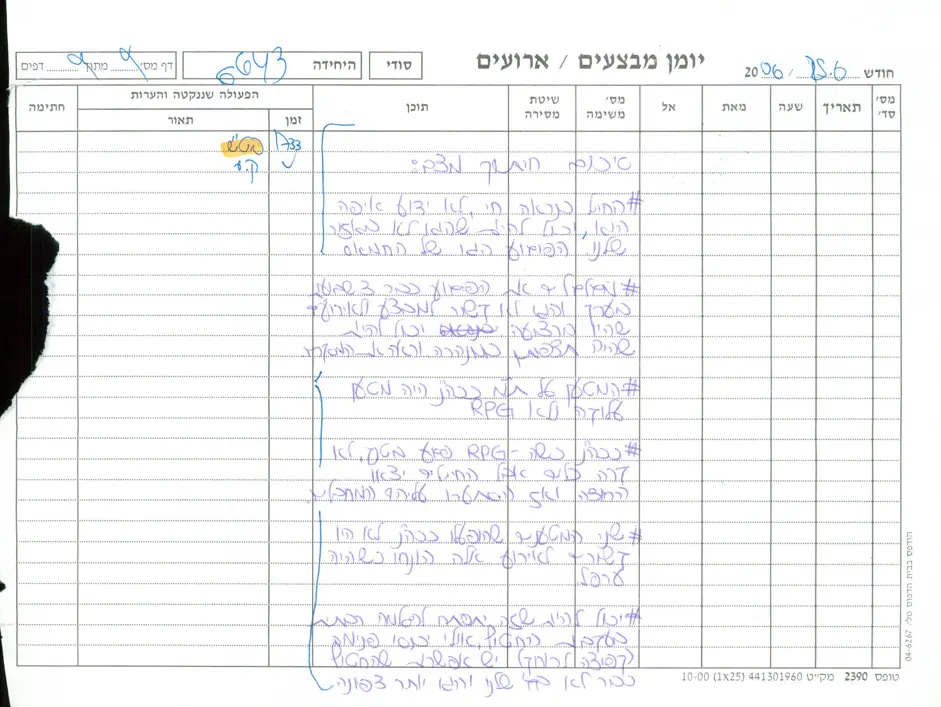
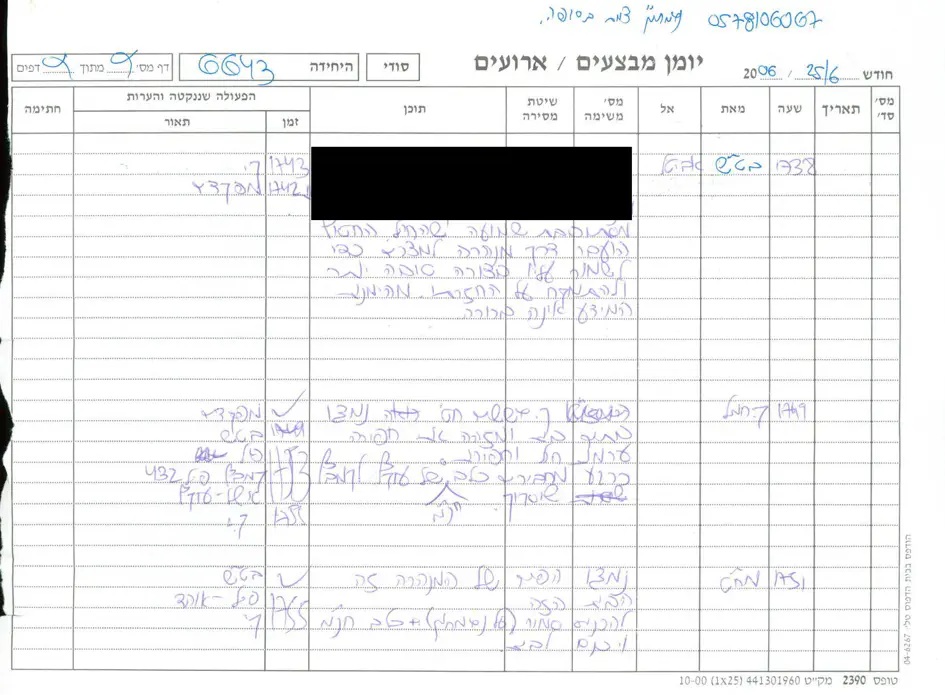
Two decades after Hamas terrorists kidnapped IDF soldier Gilad Shalit in an attack that stunned Israel, the IDF Archives at the Ministry of Defense on Thursday released the Southern Brigade’s official command post operations log from the day of the abduction. Published for the first time, the records provide a detailed, minute-by-minute reconstruction of the military’s response as commanders gradually realized an Israeli soldier had been taken into Gaza.
The newly declassified documents chronicle the progression of events from the earliest reports of explosions and heavy gunfire near the Gaza border through the activation of the “Hannibal Directive”—an IDF protocol intended to prevent the capture of Israeli soldiers—and finally to the moment officials confirmed that one member of the armored unit had disappeared and had been abducted by Hamas terrorists.
The attack took place on the morning of June 25, 2006, when a Hamas terrorist squad emerged from a tunnel dug beneath the border near Kerem Shalom and launched a surprise assault on an IDF tank crew. Lieutenant Hanan Barak and Staff Sergeant Pavel Slutsker were killed during the fierce fighting, while several additional soldiers sustained injuries. Amid the confusion created by the attack, the terrorists seized Gilad Shalit from the tank and rapidly transported him across the border into the Gaza Strip.
According to the operations log, the first warning reached the command center at 5:13 a.m., when multiple explosions were reported near Kerem Shalom. Commanders initially believed the blasts were caused by incoming mortar shells or rockets. One minute later, the gravity of the situation escalated when the log recorded the words, “Casualties reported.” Soon afterward, reports flooded in describing attack helicopters being dispatched, special forces mobilizing, and terrorists observed inside Israeli military positions and trenches.
More than an hour after the attack began, at 6:40 a.m., the breakthrough realization appeared in the command log: “A soldier is missing from the tank.” Four minutes later, commanders officially activated the “Hannibal” protocol in response to the suspected kidnapping.
By 7:12 a.m., troops searching the area discovered a protective vest and helmet lying near the security fence. Despite the alarming find, soldiers noted there were no visible signs that anyone had been dragged from the scene.
The military’s fears were confirmed at exactly 8:00 a.m., when the operations log identified the captive: “Name of the abducted soldier: Gilad Shalit.” Nearly two hours later, another entry reported that “inside the area, tracks belonging to both the terrorists and the abducted soldier have been identified.” Around midday, investigators added another troubling discovery: “the abducted soldier’s vest is with the chief tracker and shows bloodstains and shrapnel damage.”
Beyond documenting the sequence of events, the records also capture the uncertainty that gripped military commanders as they struggled to assess the rapidly developing crisis. A situation assessment prepared later that afternoon reflected the growing understanding that Israel was facing a major strategic challenge: “The soldier is likely alive, location unknown, possibly outside our sector, the attack was carried out by Hamas. They have been planning this attack for about three weeks and it is unrelated to current operations or recent events in the Strip… This could escalate into a major confrontation due to the hostage… There is a possibility the hostage is no longer in our sector and has been moved further north.”
Later in the day, at 4:34 p.m., the field commander reported that Shalit’s footprints had been positively identified near what troops believed was the entrance to the Hamas tunnel used in the attack. About an hour afterward, another disturbing report was entered into the log: “A rumor is circulating that the captured soldier was moved through a tunnel into Egypt to better secure him and negotiate his return. The reliability of this information is unclear.”