
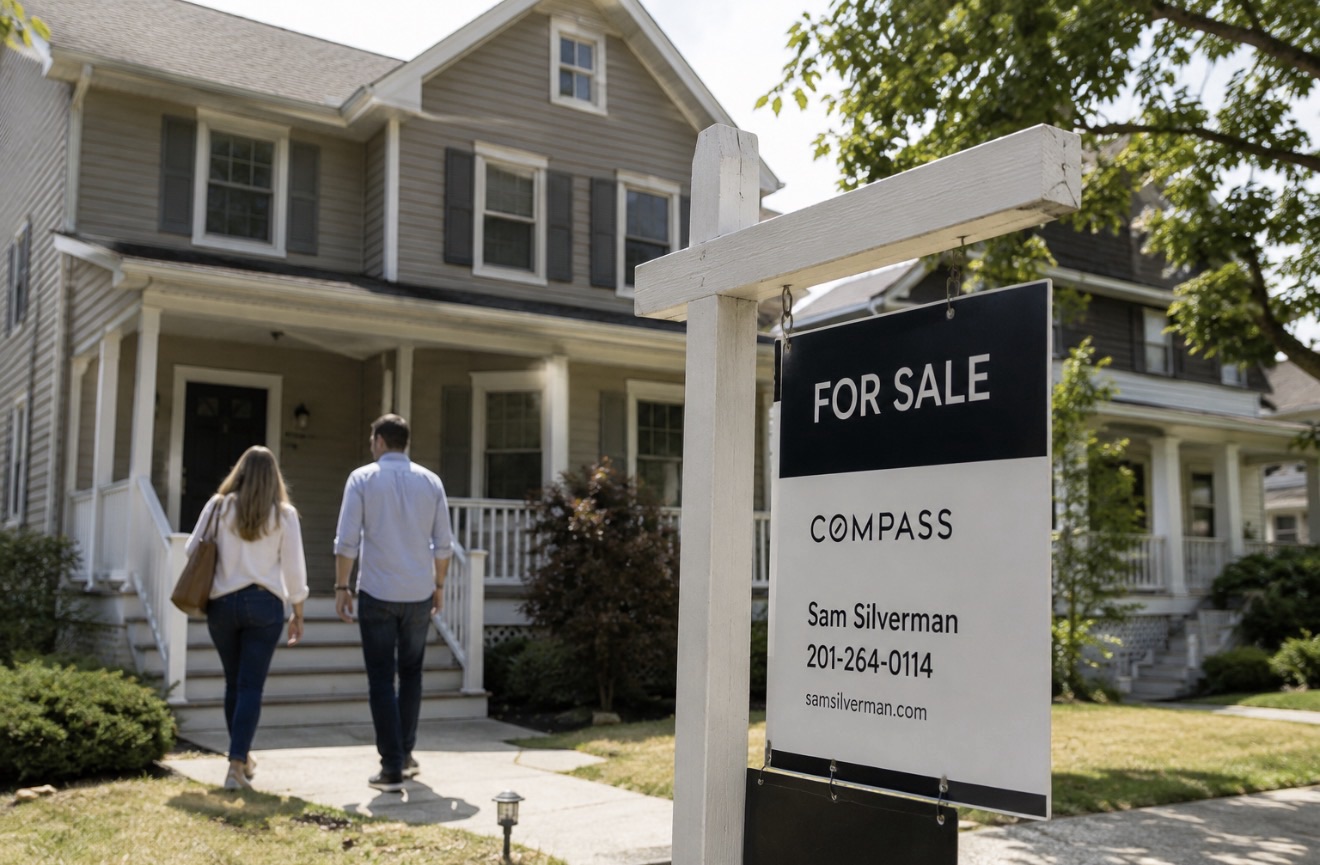

For the first time since 2023, a majority of Americans believe buying a home is a better financial move than renting, signaling a notable shift in consumer sentiment even as high prices and elevated mortgage rates continue to challenge affordability.
According to the latest Bank of America Homebuyer Insights Report, released Tuesday, 53% of Americans now prefer buying a home over renting, up from 48% a year ago and 47% in 2024. The findings suggest that many consumers are becoming more optimistic about homeownership despite persistent obstacles in the housing market.
“We are seeing meaningful changes in attitudes toward homeownership,” said Matt Vernon, Head of Consumer Lending at Bank of America.
The survey, conducted by Sparks Research between April 13 and May 10, included 2,000 adults evenly divided between homeowners and renters.
Homeownership Regains Appeal
The report found growing confidence in the long-term value of owning a home.
About 90% of respondents now view a home as a valuable investment, up from 79% a year ago. Meanwhile, 94% said homeownership provides stability, compared with 83% in last year’s survey.
Nearly one-third of respondents also reported feeling more confident about their ability to purchase a home this year.
The shift comes even as affordability remains a major concern.
Mortgage rates have eased slightly from recent peaks and currently hover near 6.5%, while home-price growth has moderated in many markets. The median U.S. listing price stood at approximately $429,500 in May, according to housing data cited in the report.
At the same time, renters have increasingly sought ways to reduce housing expenses by moving to smaller apartments, sharing living arrangements, relocating to less expensive areas, or giving up premium amenities. As a result, ownership appears more attractive to many consumers despite its higher upfront costs.
Buyers Growing Tired of Waiting
Another important trend is the declining number of consumers waiting for a perfect market.
The share of prospective buyers holding off for lower mortgage rates or home prices fell to 71%, down from 75% a year earlier.
Younger generations are leading that change.
Many buyers now appear willing to accept higher borrowing costs rather than continue delaying major life decisions. Industry analysts also point to a gradual easing of the so-called “lock-in effect,” where homeowners with ultra-low pandemic-era mortgage rates were reluctant to sell and move.
Affordability Remains the Biggest Challenge
Despite the improving sentiment, affordability concerns actually increased.
A majority of respondents—58%, up from 46% last year—identified high home prices as the biggest barrier to ownership. Another 47% cited elevated mortgage rates, compared with 40% a year ago.
The findings suggest Americans are not necessarily viewing housing as affordable. Instead, many increasingly believe that waiting for dramatically lower prices or interest rates may no longer be realistic.
Gen Z Finds Creative Ways to Buy
Younger buyers continue to adapt to challenging conditions.
Among Generation Z respondents:
- 28% reported taking on additional jobs to save for a home.
- 32% said they are considering buying with friends or family members.
- 31% plan to use down-payment assistance programs.
Bank of America noted that social and financial pressures to achieve homeownership remain particularly strong among younger adults, helping fuel the recent shift in sentiment.
AI Enters the Homebuying Process
Technology is also beginning to influence purchasing decisions.
One in five buyers and homeowners reported using artificial intelligence tools or chatbots during the past year to assist with homebuying research. Among Gen Z respondents, usage climbed to roughly one-third.
Consumers primarily used AI to estimate costs, understand the buying process, compare financing options, and research neighborhoods.
However, most respondents still preferred human professionals when making final decisions, touring homes, negotiating contracts, and handling legal matters.
Sentiment Is Improving Faster Than Sales
The report’s authors caution that improved attitudes do not necessarily translate into immediate home purchases.
The survey measures consumer sentiment rather than transaction activity, and the same challenges that have slowed housing sales remain in place: limited inventory, elevated prices, and mortgage rates that remain well above pre-pandemic levels.
Still, the change in outlook is significant.
Among current homeowners, 52% expect to purchase another home in the future, while the share planning to buy within the next year increased to 22%, up from 15% a year ago.
After three years in which renting or waiting often appeared to be the more practical option, many Americans are once again viewing homeownership as the stronger long-term path to financial security, stability, and wealth creation.
JBizNews Desk | New York
© JBizNews.com All Rights Reserved. Reproduction or distribution without written permission is prohibited.