
 JBizNews
SK Hynix Files for a $29 Billion U.S. Listing, One of the Largest Ever
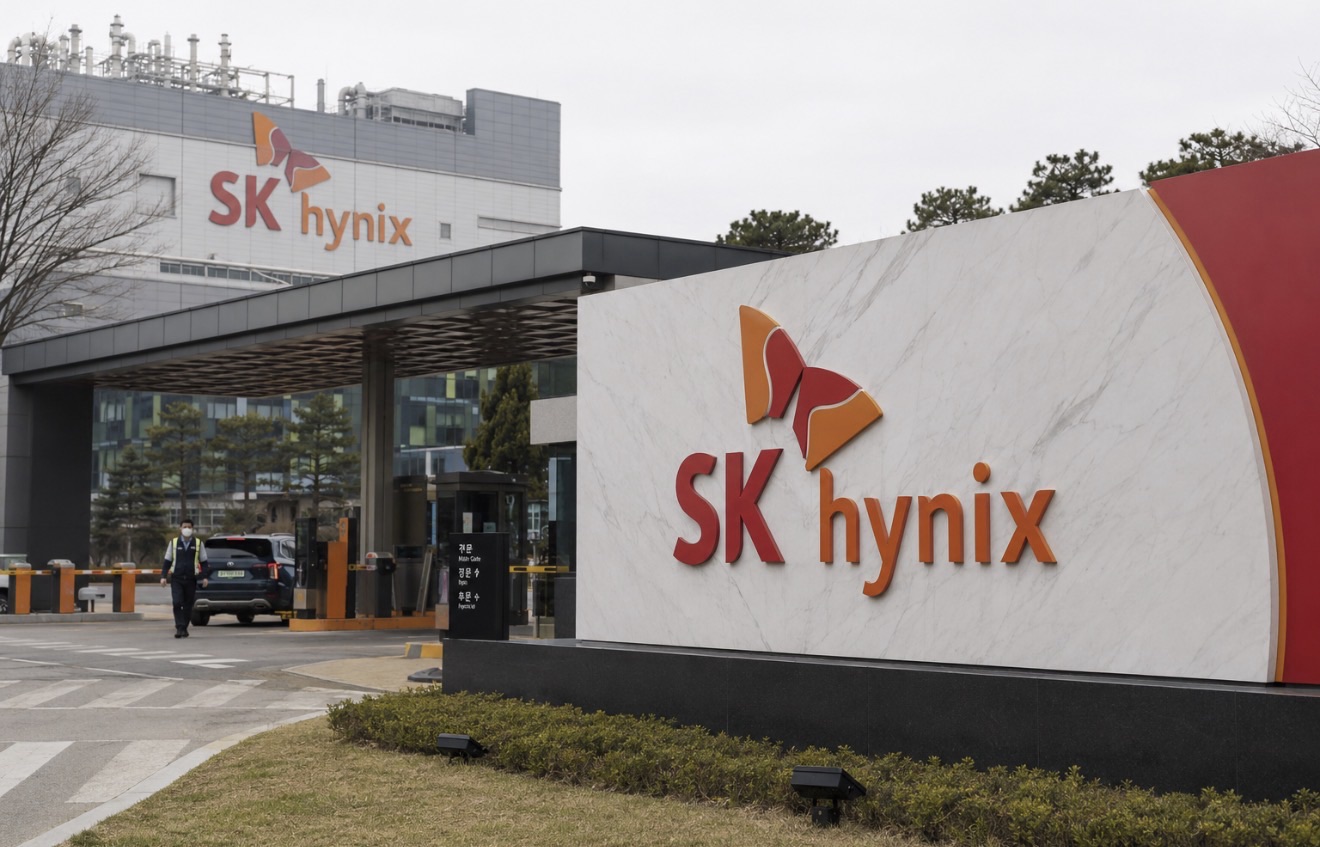
South Korean memory-chip giant SK Hynix filed with the U.S. Securities and Exchange Commission on Wednesday, June 24, to raise roughly $29 billion through a Nasdaq listing — a deal that would rank among the biggest share sales in history. According to the filing, the company plans to issue up to 17.79 million new shares through American depositary receipts, with trading expected to begin around July 10.
The size is staggering. At about 45.45 trillion won, or $29.4 billion, the offering would eclipse both Alibaba’s 2014 U.S. debut and Saudi Aramco’s $25.6 billion initial public offering from 2019, according to Reuters. It is also far larger than the company signaled earlier this year, when an initial confidential filing in March pointed to a haul of no more than $14 billion — a jump that reflects how fast SK Hynix shares have climbed.
The reason for the surge is the same force driving so much of the market: artificial intelligence. SK Hynix is the world’s top supplier of high-bandwidth memory (HBM), the specialized chips that AI data centers need in massive volumes. Its biggest customers include Nvidia and Google parent Alphabet, both of which depend on its chips to build their AI systems. The stock has risen more than 300% this year, pushing the company’s market value to roughly $1.2 trillion and, this week, past Samsung Electronics to make it South Korea’s most valuable listed company for the first time in decades.
An American listing would give SK Hynix direct access to U.S. capital markets and a much broader investor base. Some large U.S. institutional investors are restricted to buying U.S.-listed stocks, so trading on the Nasdaq alongside its closest American rival, Micron, could draw in money that previously couldn’t reach the company. The offering is being managed by a roster of major banks including Citigroup, JPMorgan, Goldman Sachs and Bank of America.
The cash will fund an enormous expansion already underway. SK Hynix said proceeds will help build a new chip factory in the South Korean city of Yongin, an advanced packaging plant in Cheongju, and the purchase of cutting-edge equipment such as extreme ultraviolet lithography machines. Separately, the company is developing its first American production site — a $4 billion packaging facility in Indiana — part of a broader push by chipmakers to expand manufacturing on U.S. soil.
The financial backdrop helps explain investor enthusiasm. SK Hynix posted a record operating profit of about 37.6 trillion won in the first quarter, with sales nearly tripling, and the company has told investors it expects favorable pricing for its HBM chips to continue into next year as demand outstrips what it can produce.
For everyday consumers, the memory boom is a double-edged sword. The same shortage that is making SK Hynix so profitable has pushed up the price of the memory chips used in everyday electronics, from smartphones to laptops, as AI data centers soak up supply. A listing of this size also signals just how much capital is now flowing into the AI buildout — money that is reshaping the global technology industry and the products millions of people use.
The timing was striking. SK Hynix’s filing landed the same day that Micron, its main U.S.-listed competitor, reported record results after the bell, underscoring how memory chips have gone from a boom-and-bust commodity to one of the hottest corners of the market. For American investors, the listing offers a new way to bet directly on the AI memory race — and for SK Hynix, a chance to be valued the way Wall Street values the companies feeding the AI machine.
JBizNews Desk © JBizNews.com All Rights Reserved. Reproduction or distribution without written permission is prohibited.