
 JBizNews
JPMorgan Names Two Co-Presidents and Loses a Front-Runner in the Race to Replace Jamie Dimon
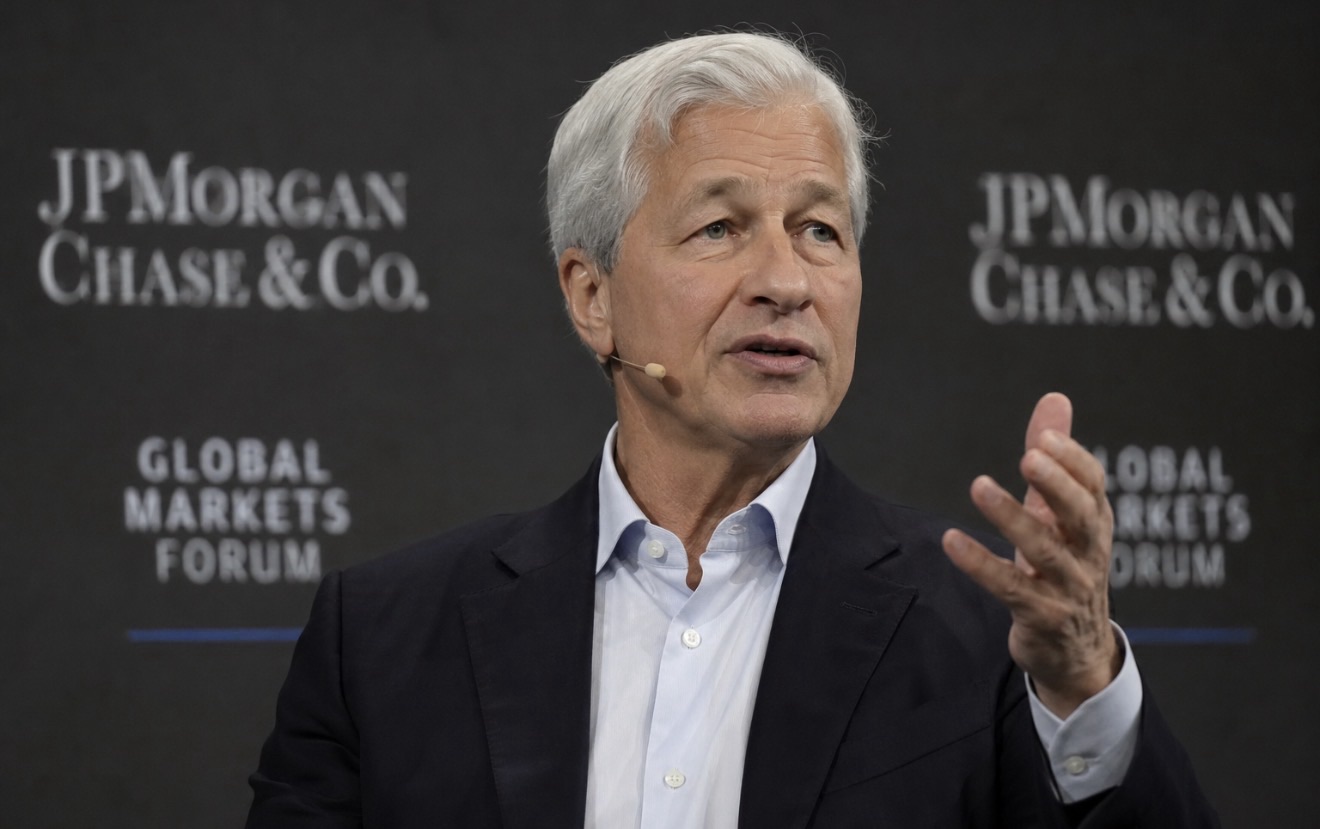
JPMorgan Chase promoted two of its most senior executives, Doug Petno and Troy Rohrbaugh, into newly created co-president roles on Thursday, the bank announced, in the clearest signal yet of who stands to eventually replace longtime Chairman and CEO Jamie Dimon atop the largest bank in the United States. “The changes announced today mark an important step in our board’s thoughtful process around succession planning and development of our top leaders,” Dimon said in a statement.
The move came with a notable departure. JPMorgan said Thursday that it elevated Petno and Rohrbaugh to co-presidents while announcing the retirement of Marianne Lake, a senior executive widely seen on Wall Street as a top contender for the chief executive job. Lake had long been viewed as a potential successor, and her exit reshapes a field that has been one of the most closely watched transition stories in corporate America.
The two newly promoted leaders bring complementary résumés. Petno and Rohrbaugh had jointly served as co-CEOs of JPMorgan’s commercial and investment bank. Going forward, Petno will become sole head of that commercial and investment bank, while Rohrbaugh will move over to lead consumer and community banking, the giant retail business that touches tens of millions of everyday customers. Rohrbaugh replaces Lake as CEO of consumer and community banking; she retires after more than 25 years with the lender.
Their backgrounds reflect two different sides of the bank. Petno rose through the investment bank doing client and advisory work, including natural resources banking, while Rohrbaugh came up through the trading desks with a background in foreign-exchange derivatives and options. Handing the consumer franchise to a markets veteran, and the corporate and investment bank to a relationship banker, gives both men broad exposure ahead of any eventual handoff.
The promotions are widely read as a tell about the board’s thinking. Analysts noted that even with retention bonuses for other contenders, the promotion of Petno and Rohrbaugh is a signal that the board is leaning toward them. “Elevating Petno and Rohrbaugh into president-level roles that have historically served as the springboard for the CEO job,” analysts at Keefe, Bruyette & Woods wrote, while Lake’s retirement reshapes the field.
The bank also moved to keep its remaining senior talent in place. JPMorgan disclosed Thursday that Chief Operating Officer Jennifer Piepszak, 55, and asset and wealth management CEO Mary Erdoes, 58, each received $20 million equity-based retention awards. The awards vest only after three years, require the bank to hit an average return on tangible common equity of at least 12% between 2026 and 2028, and the executives must remain employed, with no vesting for retirement or government service. The bank said the awards were meant to “preserve top qualified internal succession candidates.”
The timing question still hangs over the firm. Dimon, 70, has repeatedly said the board has multiple executives capable of becoming CEO, and two people with knowledge of his thinking said he currently expects to remain CEO for roughly three more years, though that could change. He has also left open the possibility of staying on as chairman indefinitely. After more than two decades running the bank, Dimon is regarded as the most influential figure in American banking, and his eventual exit is treated by investors and policymakers as a market event in itself.
Why this matters beyond Wall Street is straightforward. JPMorgan is the largest bank in the country, a lender whose decisions on credit, deposits, mortgages and small-business lending ripple through the broader economy. The people positioned to run it set the tone for how a vast share of American consumers and companies borrow and bank. A leadership change at the top, even one telegraphed years in advance, carries weight for everyone who holds a JPMorgan account or competes with one.
For now, the picture is clearer than it has been in years. Insiders described the dual promotion as setting up a long-awaited horse race to succeed Dimon. Two executives are out front, two more have been paid to stay, and one long-presumed front-runner has stepped away. The next chapter at JPMorgan will be written by whichever of them the board ultimately chooses, on a timeline that, as ever, only Jamie Dimon seems to control.
JBizNews Desk
© JBizNews.com All Rights Reserved. Reproduction or distribution without written permission is prohibited.