
 JBizNews
Two-year rent freeze for NYC stabilized apartments approved by Rent Guidelines Board
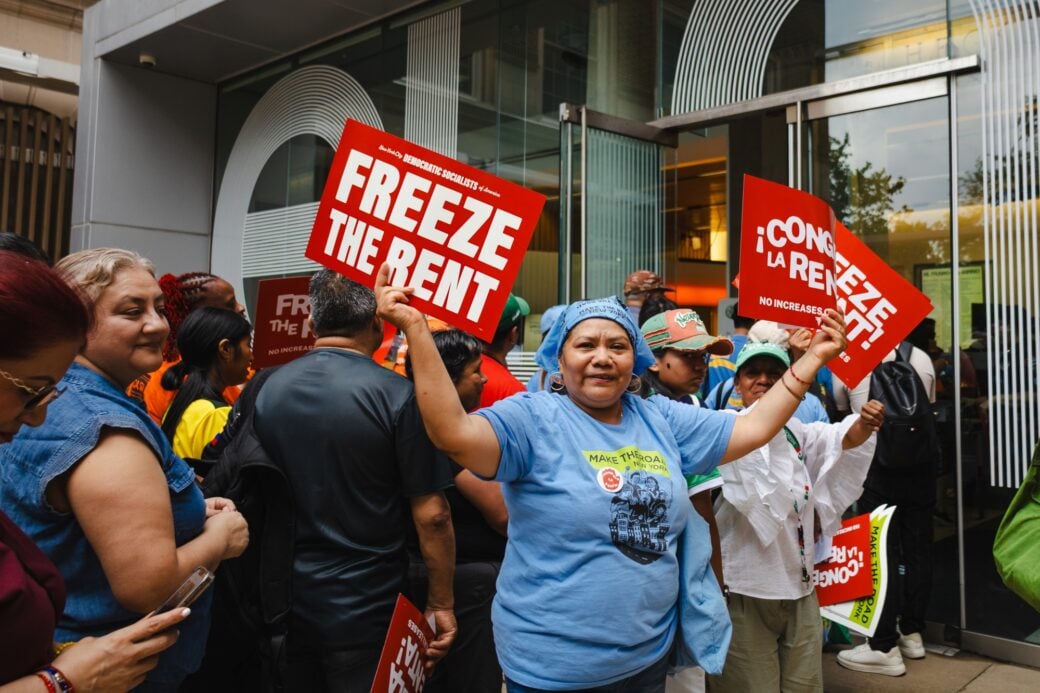
The Rent Guidelines Board on Thursday voted to approve a rent freeze for one- and two-year leases for New York City’s one million stabilized apartments, the first time the panel has ever backed 0 percent increases on multiple-year leases. The new guidelines, which will apply to leases that begin on or after October 1, 2026, and September 30, 2027, fulfill a key campaign promise from Mayor Zohran Mamdani just six months into his first term.
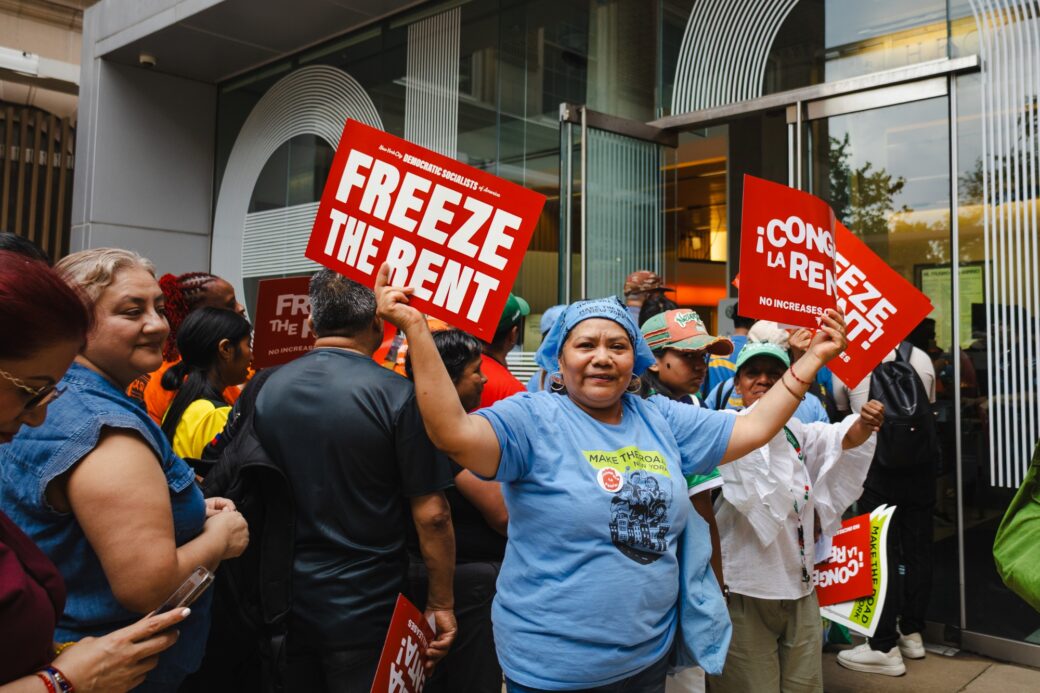
“This is a historic victory for NYC tenants,” Mamdani said. “After reviewing the data and hearing from New Yorkers across the city, the independent RGB has delivered a freeze on one-year leases, and the first-ever freeze on two- year leases in our city’s history. This is the relief that working people across our city deserve.”
The freeze applies to apartments in buildings with six or more units built before 1974, as well as units in new luxury buildings that receive certain tax breaks or government subsidies.
The rent freeze was not always guaranteed. In December, with two weeks left in office, former Mayor Eric Adams appointed and reappointed four members to the RGB in an effort to block then-Mayor-elect Mamdani’s rent-freeze proposal, giving Adams’ allies a majority on the board.
However, after three RGB members resigned earlier this year, Mamdani appointed six new members to the nine-member board in February, increasing the likelihood of a rent freeze.
The board includes two members representing tenants, two representing owners, and five representing the general public. Each year, it bases rent adjustments on several metrics reflecting current economic conditions for both landlords and tenants, as 6sqft previously reported.
In May, that likelihood increased further when the RGB, in a preliminary vote, backed rent adjustments that included no increases on some leases. It approved adjustments ranging from 0 to 2 percent for one-year leases and 0 to 4 percent for two-year leases.
On Thursday morning, just hours before the vote, Christina Smyth, one of the board’s owner-representing members, resigned, alleging that the RGB had stopped being a “fact-finding body” and instead “started with an answer” and worked backward to justify it. She also noted that most of the board’s members had been appointed by Mamdani.
Smyth said questions she raised about methodology, rising costs, and falling net income “went unanswered.”
Her resignation also raised the possibility of a legal challenge to the board’s decision, arguing that the RGB had gone beyond the limits of the law.
Following the vote, Ann Korchak, board president of the Small Property Owners of New York, issued a scathing statement, calling the approval an “egregious violation” of the RGB’s legal requirement to set rent adjustments based on data.
“This vote was an absolute farce,” Korchak said. “The RGB may have technically met its quorum requirements, but proceeding with one of the most consequential rent votes in recent times with half of its owner representation undermined the balance and fairness of this process. The vote should’ve been postponed until a new owner representative could be appointed.”
“The resignation of the board’s only meaningful advocate for small owners validated our greatest fear, that the majority Mamdani-appointed RGB would cave to the political demands of City Hall,” she added. “This is an egregious violation of the RGB’s legal mandate to set rent adjustments based on the math of its own research, not on political influence.”
Tenant advocates, however, have long decried persistent rent hikes, saying they have worsened an already severe cost-of-living crisis in the five boroughs. They also point to previous rent freezes under former Mayor Bill de Blasio, when the RGB approved several freezes and rents rose a total of just 6 percent over his eight years in office.
Advocacy groups, including the NYS Tenant Bloc, cite data showing that rents and landlord profits increased 12 percent and 30 percent, respectively, under the Adams administration.
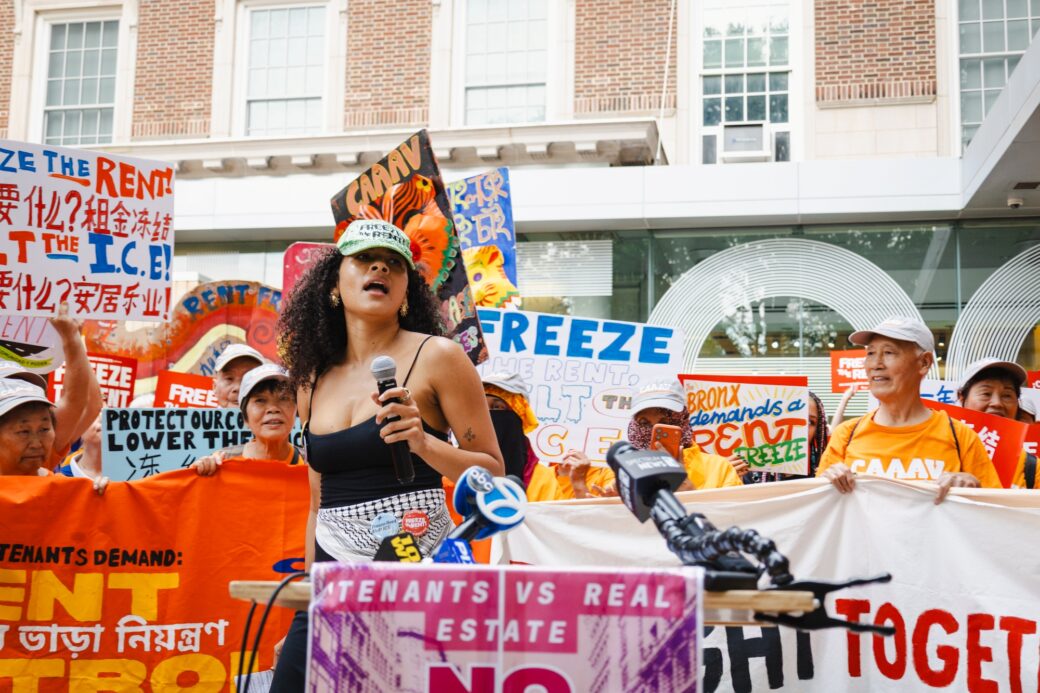
In a statement, Sumathy Kumar, executive director of the NYS Tenant Bloc, celebrated the approval and rejected claims that the RGB’s vote exceeded its legal mandate.
“No matter what landlords tell the courts or the legislature, it’s clear the rent freeze has a democratic mandate and is backed by tenant testimony and the RGB’s own data,” Kumar said. “Tenants are facing multiple crises, while landlords have seen their operating incomes and profits rise for years.”
“Today, the RGB has ensured rent stabilization works for its true purpose: to keep New York affordable and keep New Yorkers in New York,” she added. “This is a lesson to every tenant in our city and across the state that when tenants fight together, we can win.”
RELATED:
- Rent Guidelines Board member resigns hours before vote on possible rent freeze
- Rent freeze for stabilized apartments backed by NYC board in preliminary vote
- NYC rent freeze likely: Mamdani announces six appointees to Rent Guidelines Board
The post Two-year rent freeze for NYC stabilized apartments approved by Rent Guidelines Board first appeared on 6sqft.