
 JBizNews
Trump Orders Saturday Strikes on Iranian Air Defenses and Drone Sites Over Tanker Attack
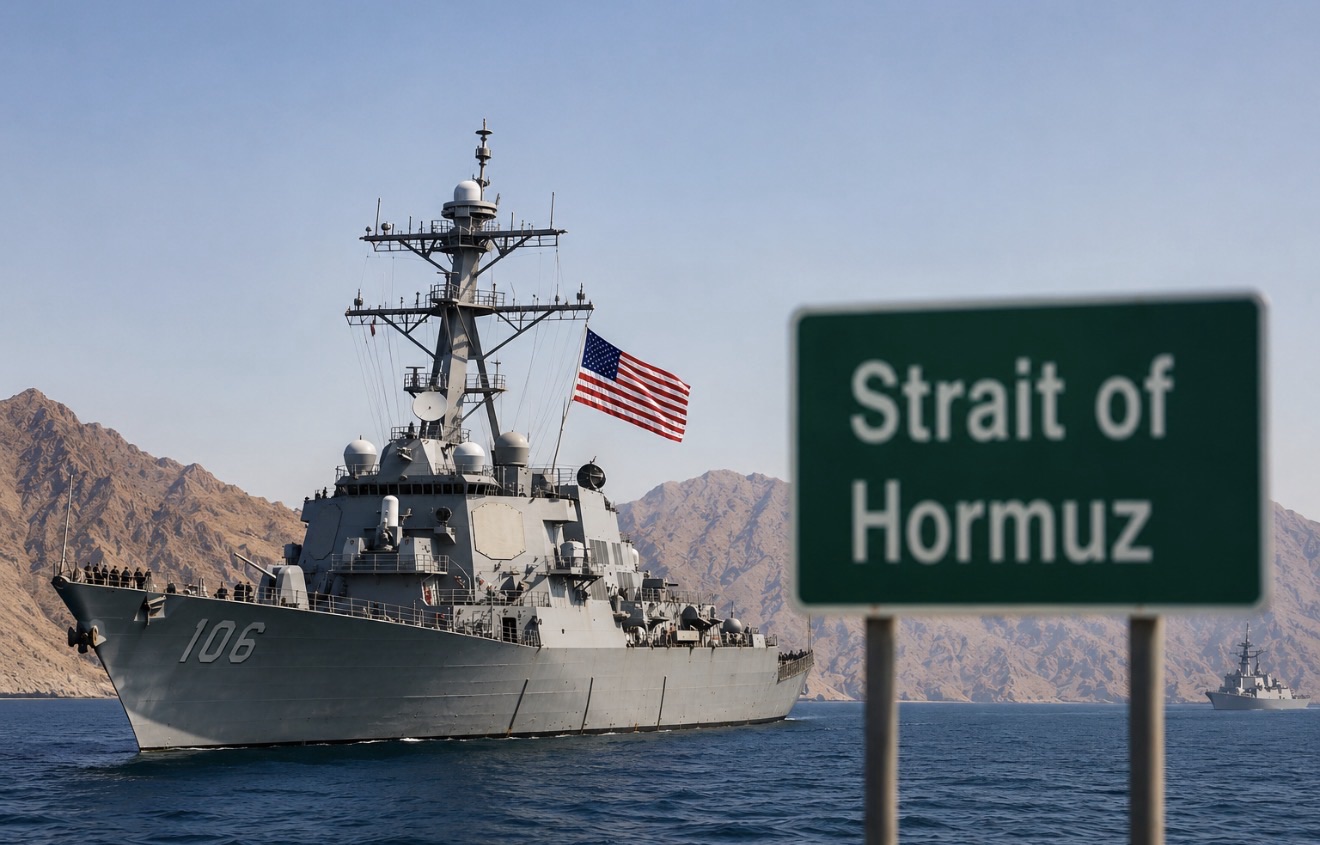
The fragile ceasefire that had eased fears of a prolonged disruption to global energy markets came under renewed pressure Saturday, June 27, after the United States launched a second consecutive day of military strikes against Iranian targets following another attack on commercial shipping in the Strait of Hormuz. The latest escalation underscores how quickly the world’s most important oil corridor can shift from relative calm back into crisis, keeping businesses, energy markets and global shippers on edge.
According to U.S. Central Command (CENTCOM), President Donald Trump ordered Saturday’s operation after an Iranian drone struck the Panama-flagged oil tanker M/T Kiku while it was transiting the Strait of Hormuz. The vessel was carrying Qatari crude bound for the port of Fujairah in the United Arab Emirates.
CENTCOM said the strikes targeted Iranian surveillance infrastructure, communications systems, air defense sites, drone storage facilities and minelaying equipment. The military said Iran had been given an opportunity to comply with the ceasefire following Friday’s American strikes but instead carried out another attack on commercial shipping.
American officials said commercial traffic through the strait would continue and emphasized that U.S. forces remain “vigilant, lethal, and ready” to protect freedom of navigation through one of the world’s busiest maritime chokepoints.
Friday’s operation—the first of the two rounds of strikes—targeted Iranian missile and drone storage facilities along with coastal radar installations after an Iranian drone struck the cargo ship M/V Ever Lovely on June 25. By Associated Press count, it marked the third American military response in three weeks following Iranian drone attacks against vessels operating in the region.
President Trump confirmed Saturday’s action on Truth Social, accusing Iran of violating the ceasefire once again and warning that the United States could be forced to finish militarily what it had begun if the attacks continue. He said the Islamic Republic could cease to exist if the assaults persist. Vice President JD Vance said Friday evening that Iran should engage diplomatically if it objected to the ceasefire terms, adding that further violence would be met with force.
The renewed fighting places immediate pressure on the memorandum of understanding signed on June 17 to wind down nearly four months of conflict. Under the agreement, the United States, Iran and their allies committed to halting military operations across multiple fronts, including Lebanon, while Iran was given a 60-day window to make its best effort to allow commercial vessels to pass through the Strait of Hormuz without charge.
At its peak, roughly one-fifth of the world’s oil and natural gas shipments moved through the strategic waterway.
A central dispute remains unresolved. Iran maintains it retains authority to regulate ships that lack its approval and has threatened to impose transit fees, while the United States and Gulf allies insist the Strait of Hormuz is an international waterway that must remain open to unrestricted commercial navigation.
A maritime organization overseen by the U.S. Navy announced Saturday that it was expanding a shipping corridor near Oman’s coastline to facilitate both inbound and outbound vessel traffic, another indication that Washington intends to keep commerce flowing despite continued security threats.
Despite the renewed military exchanges, energy markets have so far remained relatively restrained. Brent crude, the global benchmark, has fallen nearly 20% from its 2026 highs as traders continue betting that the ceasefire will ultimately restore normal shipping through the strait. Prices remain only modestly above pre-war levels, though each new attack highlights how quickly market confidence could evaporate.
Analysts continue to caution that the path back to normal operations remains uncertain.
June Goh, senior oil analyst at Sparta in Singapore, said the latest tanker strike demonstrates how fragile security in the region remains and noted that tankers must resume normal movements before crude inventories can be reduced and production fully normalized.
Vandana Hari, founder of Vanda Insights, has warned that energy markets appear to be pricing in an optimistic outcome even though implementing the ceasefire may prove far more difficult than negotiating it. Tamas Varga of PVM Oil Associates said the sharp decline in Brent prices reflects growing confidence that the worst supply disruptions may be over, while analysts at UBS, led by Henri Patricot, remain more cautious, pointing to limited crude loadings within the Gulf and little concrete evidence that vessel traffic has meaningfully recovered.
Whether the memorandum ultimately survives may depend as much on political developments in Washington as on events unfolding at sea. Secretary of State Marco Rubio told Congress earlier this month that he remains optimistic Iran will negotiate over its nuclear program, while acknowledging that the ceasefire has become increasingly fragile. Meanwhile, a growing number of Republicans have joined Democrats in questioning the financial cost and broader economic consequences of the conflict, although congressional efforts to force an end to hostilities have repeatedly failed.
For businesses, Saturday’s developments reinforce that uncertainty remains the defining risk. Oil continues to flow, commercial shipping has not stopped and energy prices remain relatively stable. Yet every new drone strike, military response and threat against the Strait of Hormuz serves as a reminder that the global economy remains vulnerable to sudden disruptions that could quickly reshape fuel costs, shipping rates and supply chains worldwide.
JBizNews Desk | New York
© JBizNews.com All Rights Reserved. Reproduction or distribution without written permission is prohibited.