
 JBizNews
U.S., Israel and Lebanon Sign Friday Accord Netanyahu Calls Blow to Iran and Hezbollah
Israeli Prime Minister Benjamin Netanyahu said Saturday, June 27, that a new agreement his government signed with Lebanon and the United States is a major blow to Iran and the militant group Hezbollah, speaking at a press conference one day after the deal was signed in Washington.
The trilateral framework agreement was signed Friday, June 26, at the U.S. State Department, with Secretary of State Marco Rubio looking on as the Israeli and Lebanese ambassadors put their names to it. It followed five rounds of talks in the U.S. capital aimed at winding down the long fight between Israel and Hezbollah.
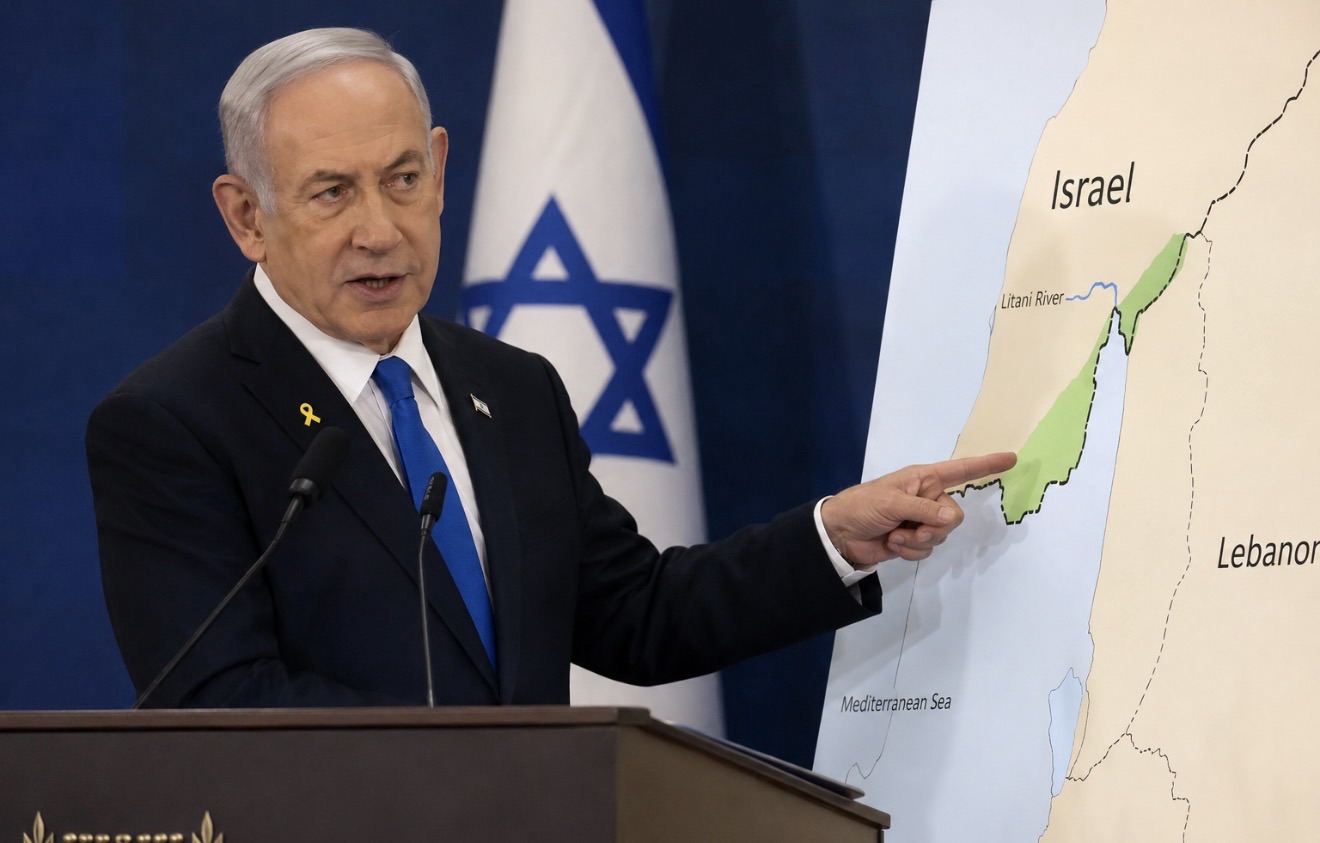
Speaking from a podium with a map behind him, Netanyahu said the message to Iran was simple: stay out. He said Israel, Lebanon and the United States were telling Tehran it has no role in Lebanon, and that neither Iran nor Hezbollah nor any other armed group would decide the country’s future. He called the deal a historic achievement and “a major blow” to both.
In plain terms, the agreement sets up a process to disarm Hezbollah, the Iran-backed group that has fought Israel from southern Lebanon. It creates a U.S.-run coordination body to oversee the steps, and it starts small. Israeli troops will pull back from two pilot areas near the Litani River and hand them to the Lebanese army. Israel is keeping the rest of its security zone in the south, and Netanyahu was clear it will stay there until Hezbollah gives up its weapons.
The reason Netanyahu frames this as a defeat for Iran comes down to leverage. For weeks, Iran had tried to tie an end to the fighting in Lebanon to its own separate deal with Washington over the Strait of Hormuz. By signing a Lebanon agreement directly with Beirut and Washington, and leaving Hezbollah out of the room, Israel cut that link. Hezbollah, the strongest piece of Iran’s network in the region, was handed a deal it had no part in writing.
Hezbollah rejected it flatly. The group’s leader, Naim Qassem, called the agreement null and void on Saturday and described it as a humiliation and a surrender of Lebanon’s sovereignty. He said the group would not lay down its weapons and demanded that Israel withdraw from Lebanese land first. Hezbollah supporters blocked roads in the southern suburbs of Beirut and burned tires in protest after the signing. One Israeli strike in southern Lebanon on Saturday killed one person, the first death reported since the deal was signed.
For the wider economy, the agreement matters because Lebanon’s recovery is tied to money that only starts flowing once the fighting stops. As part of the deal, Rubio announced an immediate $100 million in U.S. humanitarian aid for Lebanon, coordinated with the United Nations, and more than $30 million in additional support to build up the Lebanese army so it can take control of its own territory. Lebanese President Joseph Aoun said the framework would let displaced families return home, the first step toward reopening shuttered towns and restarting local business in the south.
The catch is that the big spending—reconstruction of bombed-out southern Lebanon—is gated behind Hezbollah’s disarmament. Yechiel Leiter, Israel’s ambassador to the United States, said other countries could help rebuild Lebanon, but only after Hezbollah lays down its arms. That means contractors, donors and investors have a clear signal: serious rebuilding capital stays on the sidelines until the security question is settled, which keeps Lebanon’s battered economy in limbo for now.
The deal also carries weight for energy markets, even if indirectly. Iran has repeatedly threatened to choke off the Strait of Hormuz, the waterway that once carried about a fifth of the world’s oil, in response to Israeli operations in Lebanon. By separating the Lebanon track from the Hormuz dispute, the agreement chips away at one of Iran’s main justifications for squeezing the strait, which remains the single biggest factor weighing on global oil prices. Calmer politics in Lebanon, in theory, removes one trigger for the next spike at the pump.
Whether it holds is the open question. Rubio called the agreement “the beginning of the beginning,” a careful phrase that signals how far the two sides still are from real peace. The deal was negotiated without the one group it is built to disarm, and Hezbollah has already said it will not comply. For businesses across the region, the takeaway is cautious: the framework lowers the temperature and unlocks a first round of aid, but the rebuilding boom that Lebanon needs, and the lasting calm that markets want, both depend on a disarmament that has not happened yet.
JBizNews Desk | New York
© JBizNews.com All Rights Reserved. Reproduction or distribution without written permission is prohibited.