
 JBizNews
Euro Zone Inflation Likely Cooled in June, First Slowdown Since Iran War
Economists expect data from Eurostat on Wednesday to show euro zone inflation slowed in June for the first time since the Iran conflict erupted in late February, as energy prices retreated following the United States–Iran ceasefire memorandum and the reopening of the Strait of Hormuz. The flash estimate from the European Union’s statistics office is the next major test of whether the region’s inflation surge has peaked.
The backdrop is a four-month climb. Eurostat’s most recent flash estimate showed annual euro zone inflation accelerated to 3.2% in May, the highest reading since September 2023 and well above the European Central Bank’s 2% target. Energy prices led the increase, climbing 10.9% as markets reacted to fears of oil supply disruptions tied to the Middle East conflict.
That energy shock has since begun unwinding. Brent crude oil prices have fallen sharply following the 60-day memorandum of understanding that eased tensions and reopened the Strait of Hormuz, through which a significant share of the world’s seaborne oil supply passes. Lower crude prices typically filter through to gasoline, heating costs, transportation and manufacturing expenses within weeks, making June the first month economists expect to reflect that relief.
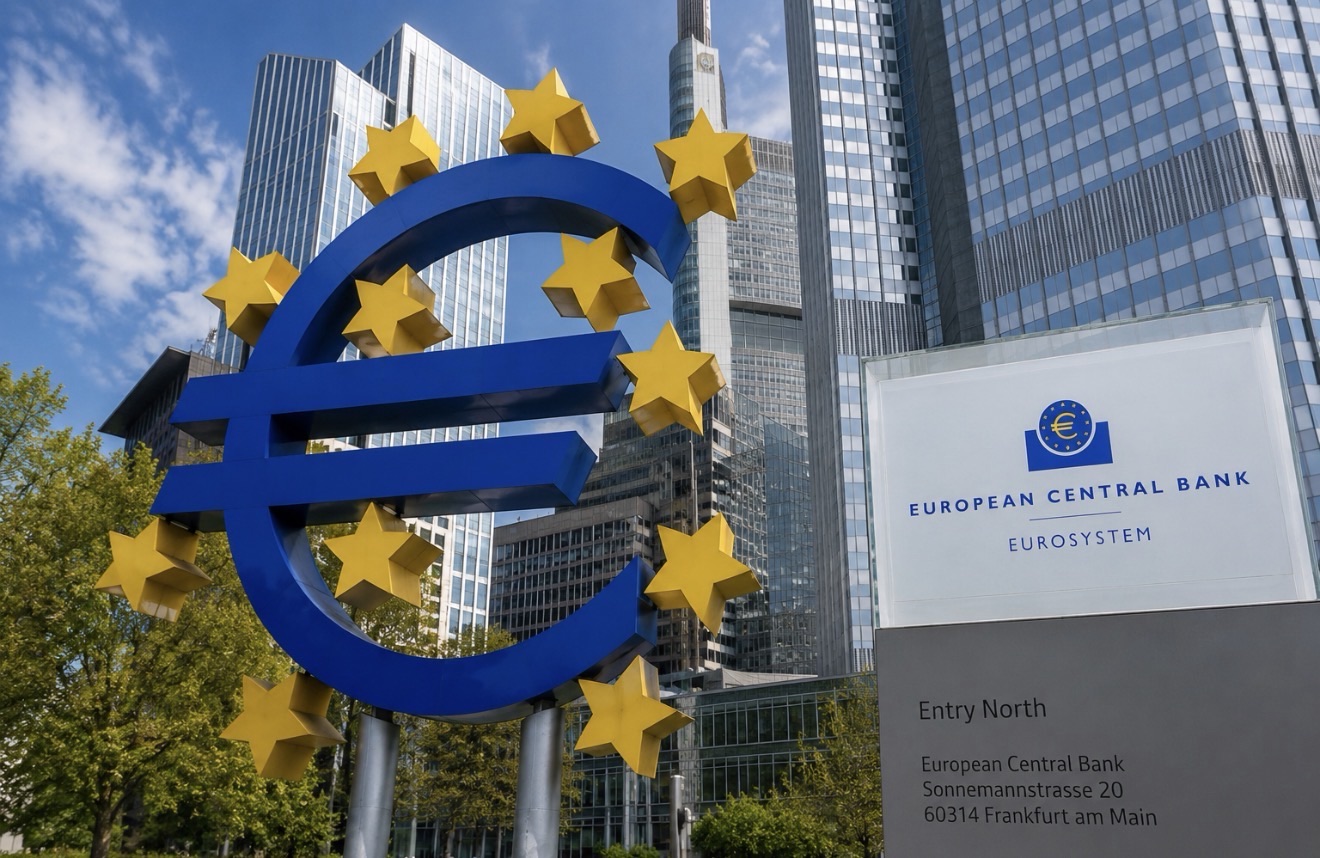
A lower inflation reading would carry significant implications for the European Central Bank and President Christine Lagarde, who has spent months balancing inflation concerns with slowing economic growth. The first decline since February would provide policymakers with evidence that much of the recent inflation spike was driven primarily by energy rather than by broader, persistent price pressures throughout the economy.
The underlying details, however, will matter as much as the headline number. In May, the euro zone’s core inflation rate—which excludes food and energy—rose to 2.5% from 2.2%, while services inflation accelerated to 3.5%. If June shows headline inflation cooling while core inflation remains elevated, the ECB could conclude that inflationary pressures are spreading beyond energy into wages and service-sector costs.
For households across Europe, the impact is immediate and personal. Changes in energy and food prices directly affect utility bills, grocery costs and transportation expenses, with lower-income families generally feeling those swings most sharply. A sustained decline in inflation would provide meaningful relief after months of rising living costs.
Businesses are watching just as closely. Lower inflation strengthens the case for the European Central Bank to maintain or eventually reduce interest rates, lowering borrowing costs for manufacturers, exporters, construction firms and other businesses that have spent much of the past year coping with higher financing expenses alongside elevated energy prices.
Inflation trends continue to vary across the euro area. During May, annual inflation accelerated in Spain, Italy, the Netherlands and France, while slowing in Germany, the bloc’s largest economy. National inflation reports due ahead of the overall euro zone release are expected to provide investors with an early indication of whether any slowdown is broad-based or concentrated in only a handful of countries.
The report also fits into the broader global inflation picture. A cooling trend in Europe, combined with easing energy costs, would reinforce signs that lower oil prices following the Middle East ceasefire are helping reduce inflationary pressure across major economies on both sides of the Atlantic.
Eurostat is scheduled to publish its preliminary June inflation estimate on Wednesday, followed by detailed country-by-country data in mid-July. A reading below May’s 3.2% annual rate would mark the first monthly slowdown in four months and suggest Europe’s latest inflation surge may finally be losing momentum.
Until the figures are released, the slowdown remains an expectation rather than a confirmed trend. Still, the underlying economic mechanics are straightforward: energy prices have fallen, and throughout much of 2026, Europe’s inflation rate has closely tracked movements in the oil market.
JBizNews Desk
© JBizNews.com All Rights Reserved. Reproduction or distribution without written permission is prohibited.