
 JBizNews
Venezuela’s Machado Weighs Quick Return as Quake Damage Tops $4 Billion
Venezuela’s opposition leader María Corina Machado is reportedly preparing to return to the country as soon as possible, a move that could reshape the nation’s political landscape while authorities continue responding to one of the worst natural disasters in modern Venezuelan history. According to a report citing people familiar with her plans, Machado—who has been living in exile and announced in May that she intends to seek the presidency again—believes the current moment presents a political opportunity. Her plans have not been officially confirmed, and no timetable has been announced.
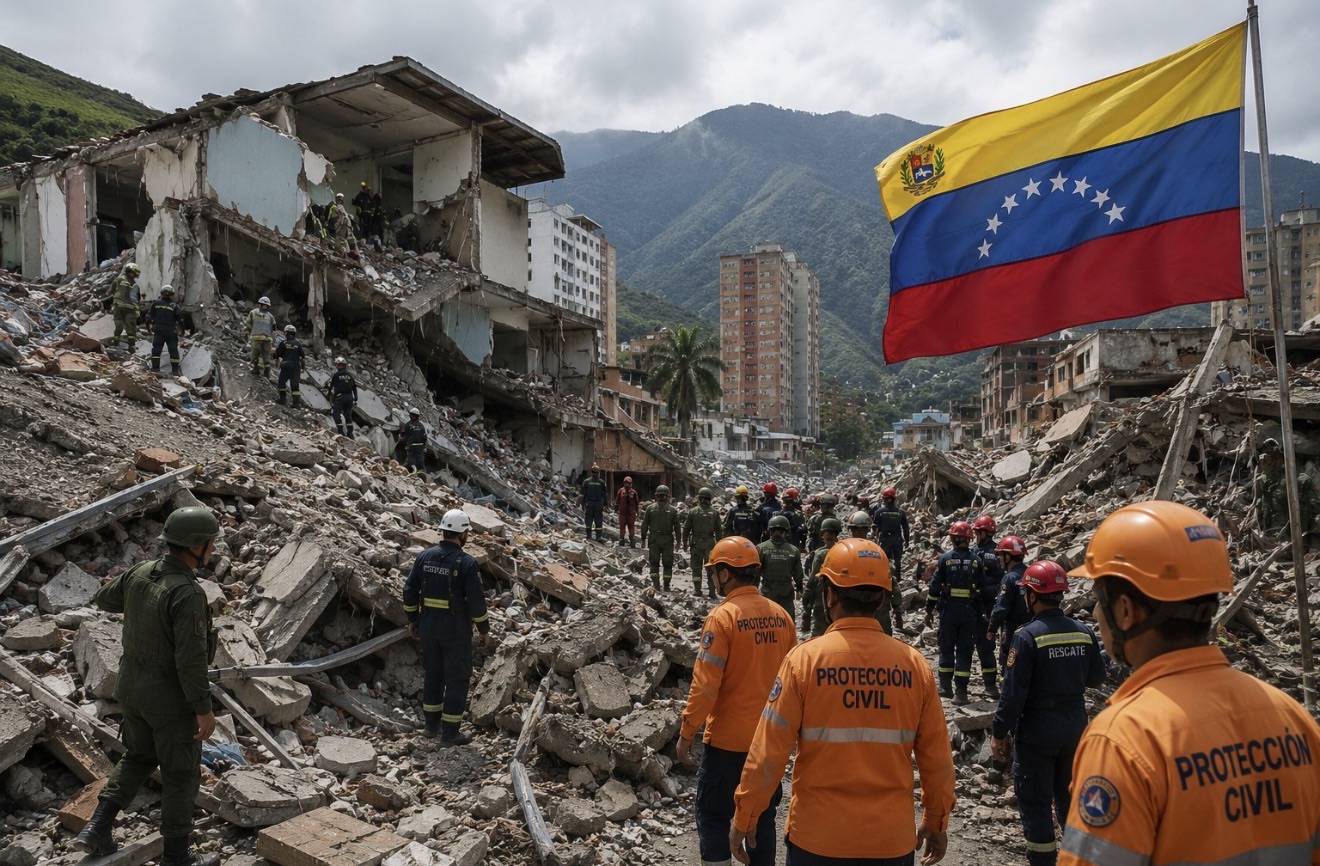
The reported political developments come as Venezuela confronts the enormous economic consequences of devastating earthquakes that struck the country on June 24.
According to the U.S. Geological Survey, two powerful earthquakes measuring 7.2 and 7.5 magnitude struck north-central Venezuela near Caracas, becoming the strongest earthquakes to affect the country in more than a century.
The twin quakes caused widespread destruction across the capital region and the coastal state of La Guaira, damaging roads, homes, businesses and public infrastructure.
Government officials reported at least 1,430 deaths and more than 3,000 injuries, while tens of thousands of people remain missing or displaced. Independent organizations continue reviewing the casualty figures as rescue operations proceed.
The economic impact is expected to be severe.
The United Nations estimates that damage totals between $4.7 billion and $8.7 billion, representing roughly 4% to 8% of Venezuela’s annual economic output. The estimate includes losses to housing, commercial property and public infrastructure, although officials caution that total costs could ultimately prove significantly higher.
Researchers at Oregon State University, using satellite imagery to assess the disaster, estimate that nearly 59,000 buildings were damaged or destroyed.
For Venezuela, the destruction arrives after years of economic hardship.
The country continues struggling with the effects of prolonged recession, international sanctions and the long-term decline of its oil-dependent economy. Rebuilding damaged infrastructure will require substantial financial resources and technical expertise at a time when government finances remain under significant strain.
International assistance has begun arriving.
According to Venezuelan officials, more than two dozen countries have sent emergency aid, including humanitarian supplies, search-and-rescue teams and specialized equipment.
The government has deployed more than 14,000 military personnel to assist recovery operations in La Guaira and surrounding areas.
The United States announced $150 million in humanitarian assistance, including $100 million directed through a United Nations relief fund and an additional $50 million supporting humanitarian organizations operating inside Venezuela.
U.S. Southern Command has also deployed military assets, including Marines and a Navy vessel, to assist with delivering supplies and evaluating damage at the port of La Guaira.
Machado, speaking through a video message, expressed solidarity with earthquake victims and praised Venezuelans living abroad for organizing humanitarian assistance and financial support for affected communities.
The country’s global diaspora is expected to play an increasingly important role in recovery efforts.
Millions of Venezuelans now living in the United States, Colombia, Spain and elsewhere already send billions of dollars in remittances home each year. Those financial transfers are expected to increase as families work to rebuild homes and support relatives affected by the disaster.
The possibility of Machado’s return introduces additional uncertainty.
According to the report, some U.S. officials have privately expressed concern that renewed political confrontation could complicate ongoing humanitarian operations, while others believe political change could eventually improve Venezuela’s long-term economic outlook.
The country’s vast oil reserves mean political developments continue attracting close attention from global energy markets and international investors, particularly regarding the future of sanctions, foreign investment and reconstruction financing.
For now, however, recovery remains the immediate priority.
The United Nations Children’s Fund (UNICEF) has warned that millions of children living in affected regions face disrupted education, healthcare, clean water access and housing.
Reconstruction is expected to require years of sustained investment and international cooperation.
Whether or not Machado returns in the near future, Venezuela now faces the immense challenge of rebuilding communities while managing one of the largest humanitarian and economic crises in its modern history.
JBizNews Desk
© JBizNews.com All Rights Reserved. Reproduction or distribution without written permission is prohibited.