
 JBizNews
Israel-Lebanon Peace Deal Faces Early Test as Hezbollah Rejects Disarmament
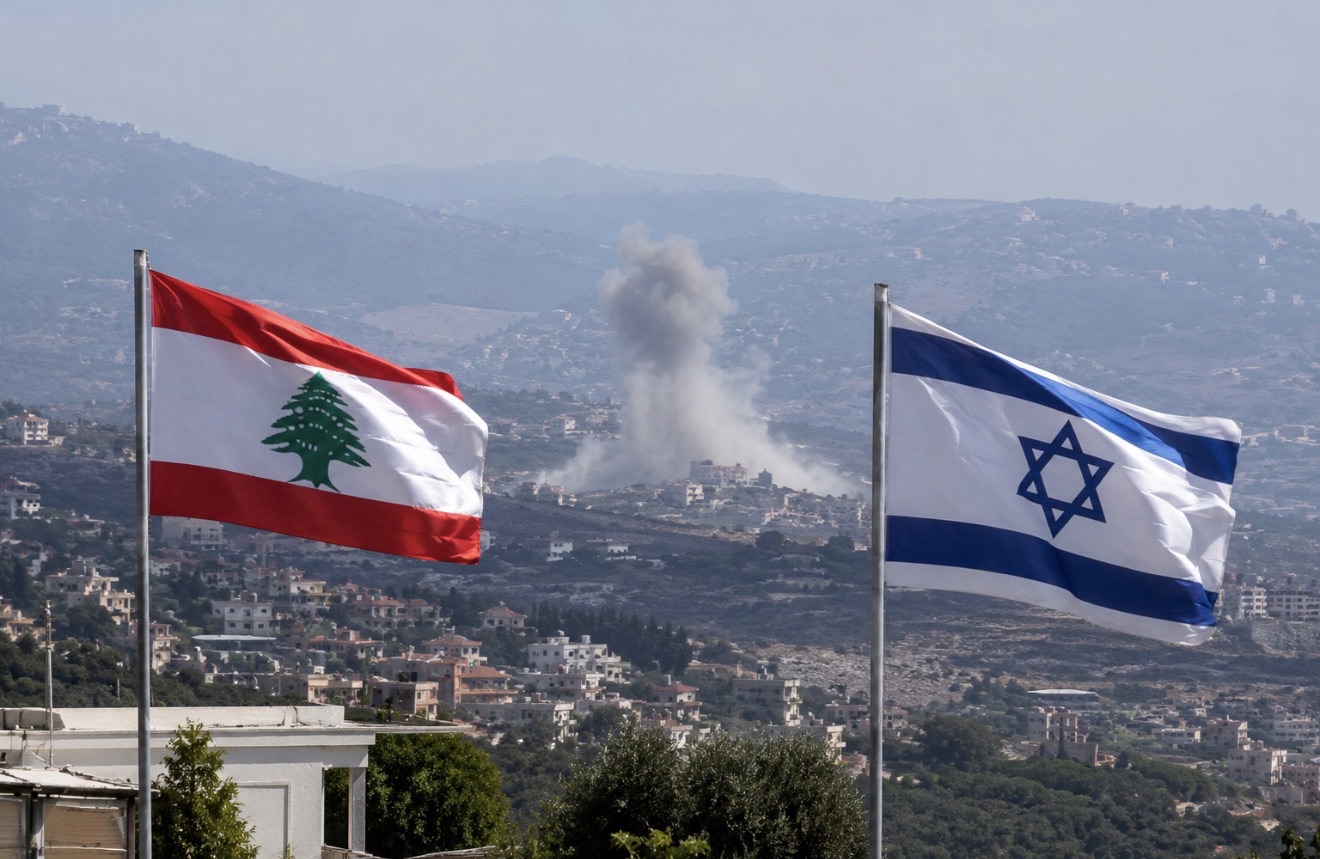
The first major peace framework between Israel and Lebanon in more than four decades is already facing significant challenges after Hezbollah publicly rejected key provisions of the agreement and vowed to oppose its implementation.
The U.S.-brokered framework, signed last week at the U.S. State Department with Secretary of State Marco Rubio, outlines a phased plan under which Israeli forces would gradually withdraw from southern Lebanon while the Lebanese Armed Forces assume control of the area. A central condition of the agreement is the verified disarmament of non-state armed groups operating in southern Lebanon, including Hezbollah.
That requirement has quickly become the agreement’s greatest obstacle.
Hezbollah leader Naim Qassem dismissed the framework, saying the organization would not surrender its weapons as a condition for an Israeli withdrawal. Lebanese Parliament Speaker Nabih Berri, a close political ally of Hezbollah, also criticized the agreement, warning that it could deepen political divisions inside Lebanon.
Supporters of Hezbollah staged demonstrations following the announcement, with some protesters attempting to block major roads in Beirut before security forces restored order.
The framework represents the most significant diplomatic effort between Israel and Lebanon since the failed 1983 agreement. Both countries have endured months of conflict that displaced hundreds of thousands of civilians, damaged infrastructure, and increased regional tensions.
Israeli officials have maintained that military forces will remain in designated security areas until independent verification confirms that armed groups have been removed from southern Lebanon. Israeli leaders argue that any lasting peace requires preventing Hezbollah from rebuilding military positions near Israel’s northern border.
Within Lebanon, however, political opinion remains sharply divided.
Some political leaders view the agreement as an opportunity to restore government authority over territory long influenced by armed militias. Others argue that disarming Hezbollah is unrealistic given the group’s military strength and political influence within the country.
The economic stakes are equally significant.
Lebanon continues to face one of the world’s worst financial crises, with its banking sector largely collapsed, its currency severely weakened, and reconstruction costs expected to reach billions of dollars. International donors, including several Gulf nations, have indicated they are prepared to assist Lebanon’s recovery if security conditions improve and the agreement remains in force.
A lasting peace could reopen opportunities for foreign investment, infrastructure rebuilding, tourism, and regional trade, offering much-needed support for Lebanon’s struggling economy. Renewed conflict, however, would likely delay reconstruction efforts, discourage investment, and further strain government finances.
The agreement also carries broader implications for regional stability. Continued calm along the Israel-Lebanon border would support wider diplomatic efforts involving Iran and other Middle Eastern nations while helping maintain stability in global energy markets.
Analysts caution that implementation remains the greatest challenge. The Lebanese government has historically struggled to exert full control over Hezbollah, and many observers question whether the country’s military possesses the political support or operational capability necessary to enforce the agreement.
For now, the framework provides a pathway toward reducing one of the Middle East’s longest-running security threats. Whether that opportunity develops into a lasting peace will depend largely on political will inside Lebanon, continued international mediation, and the willingness of all parties to avoid another round of conflict.
JBizNews Desk
© JBizNews.com All Rights Reserved. Reproduction or distribution without written permission is prohibited.