
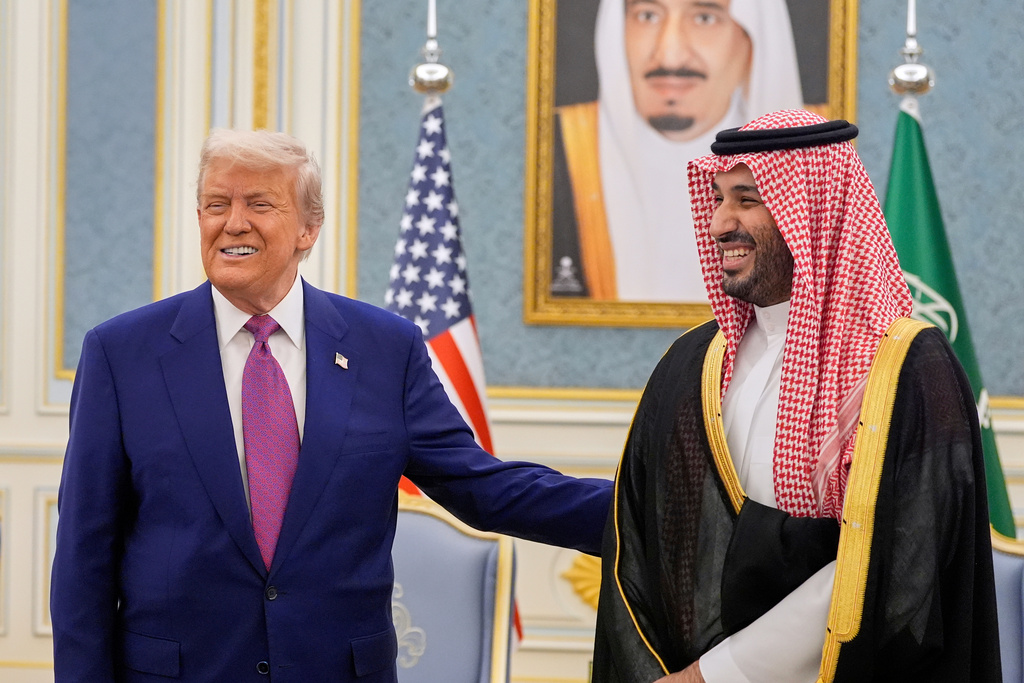

Unusual tensions have emerged between the United States and Saudi Arabia after Riyadh initially refused to allow the U.S. military to use its bases and airspace to ensure freedom of navigation through the Strait of Hormuz, the Wall Street Journal reported, citing American and Arab officials familiar with the matter.
According to the report, over 100 military aircraft were taking off from bases and warships across the Middle East when the operation, dubbed “Project Freedom,” came to a grinding halt—hours after President Trump announced it on social media. Saudi Arabia refused to allow the US the use of its airspace and its bases for the operation.
The White House, furious over the move, threatened to withhold shipments of interceptor missiles needed by Saudi Arabia to shoot down Iranian missiles and drones if the Kingdom did not reverse its stance. After a series of tense discussions between the two sides, Saudi Arabia ultimately agreed to lift the restrictions. Nevertheless, U.S. officials believe the crisis has left significant strains in relations between the two countries.
Now, in the wake of the unexpected crisis, the Pentagon and the White House are considering reducing their military presence in Saudi Arabia and relocating some forces to countries viewed as closer partners during the confrontation with Iran, including Israel and Jordan. American officials stressed, however, that these are preliminary plans and that no final decision has been made.
According to the report, the rift was partially caused by Riyadh’s fear that the war would jeopardize its energy infrastructure, following an earlier Iranian strike on the Ras Tanura refining facility.
The diplomatic crisis has worsened in recent weeks. Crown Prince Bin Salman declined an invitation to attend the G7 summit in France in protest of U.S. conduct, while Secretary of State Marco Rubio avoided visiting Riyadh during his tour of the Gulf.
Driven by fears of further strikes, Saudi Arabia has begun working to ease tensions with Tehran through Pakistani mediation and by deploying Pakistani military forces onto its soil.
Saudi foreign policy analyst Umer Karim told the Journal that the kingdom increasingly sees diplomatic engagement with Tehran as serving its national interests.
“The crown prince’s understanding with Iran reached via Pakistani coordination has already delivered results, which means that most Saudi infrastructure remains safe and not a target, allowing the kingdom to move away from the U.S. general policy,” Karim said, adding: “A bigger rift with the U.S. obviously will open a huge Pandora’s box and both sides will try to avoid it.”
Channel 14 journalist Yinon Magal asked Prime Minister Binyamin Netanyahu on Tuesday whether a peace agreement with Saudi Arabia was on the table. He declined to answer, saying only that no one had anticipated the agreement with Lebanon and that he has additional plans for peace agreements with other countries in the region.
(YWN Israel Desk—Jerusalem)