
 JBizNews
FAA Moves Toward Mandate Requiring Cockpit Traffic Technology After Fatal D.C. Crash
The Federal Aviation Administration (FAA) is preparing to require most aircraft flying in U.S. civilian airspace to carry technology that allows pilots to see nearby aircraft in real time, according to reporting this week. The proposed rule follows the January 2025 midair collision near Ronald Reagan Washington National Airport that killed 67 people and is intended to reduce the risk of similar accidents by giving flight crews an additional layer of situational awareness.
FAA Administrator Bryan Bedford has directed agency officials to draft the proposal, according to people familiar with the effort, although the agency emphasized that no final decision has yet been made. If adopted, the mandate would represent one of the most significant cockpit safety upgrades for commercial and general aviation since the FAA required aircraft to broadcast their locations using ADS-B Out technology.
At the center of the proposal is ADS-B In (Automatic Dependent Surveillance-Broadcast In), a cockpit system that allows pilots to receive the positions of nearby aircraft on an electronic display while also providing audible traffic alerts. Unlike ADS-B Out, which transmits an aircraft’s location to air traffic controllers and other aircraft, ADS-B In gives pilots a direct view of surrounding traffic, allowing them to identify potential conflicts even before receiving instructions from controllers.
The National Transportation Safety Board (NTSB) has recommended broader adoption of ADS-B In for nearly two decades. Following its investigation into January’s fatal collision over the Potomac River, the board renewed that recommendation, concluding the technology could provide pilots with valuable additional warning during rapidly developing situations.
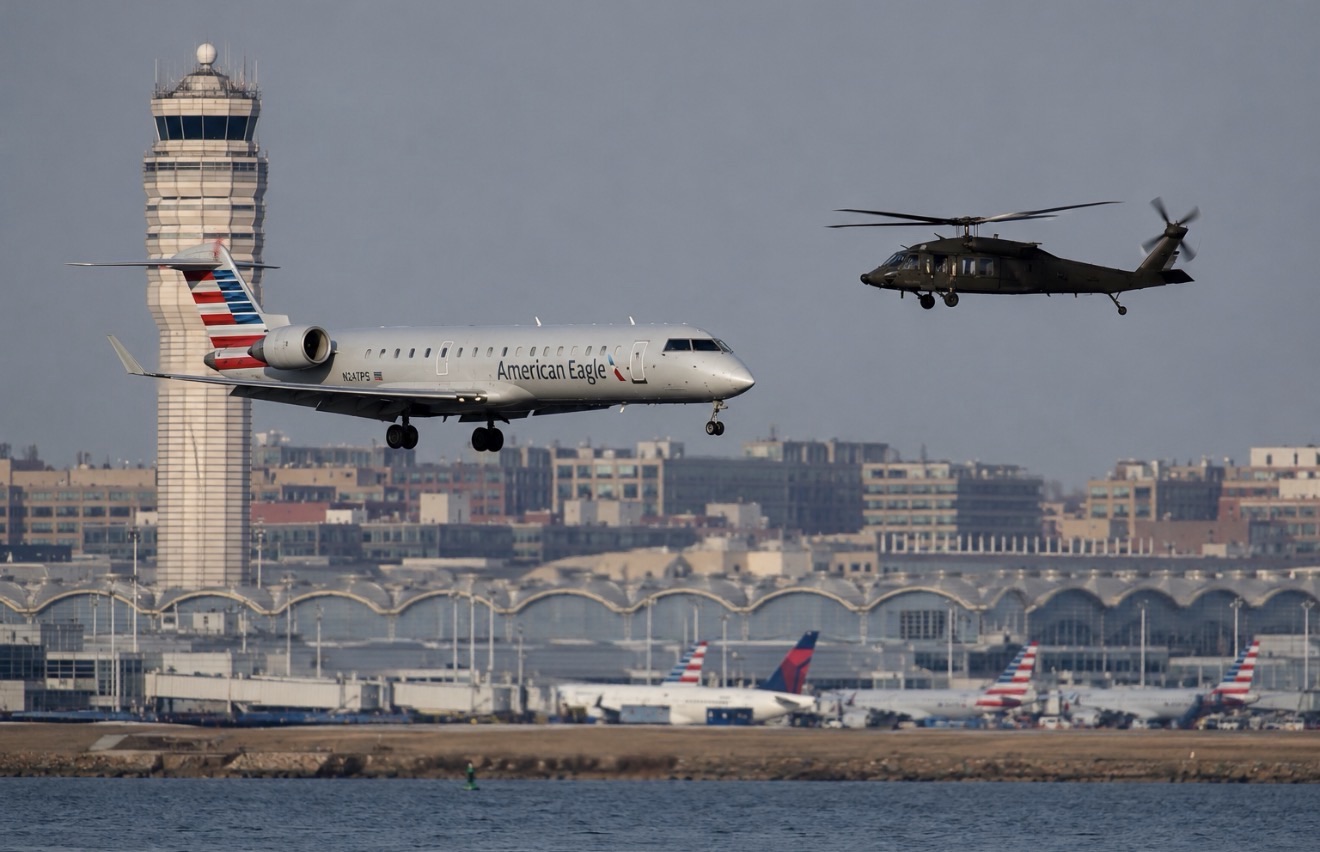
The January 29 accident involved a regional jet operating as an American Airlines flight and a U.S. Army Black Hawk helicopter. According to the NTSB’s preliminary findings, the helicopter was neither broadcasting its position through ADS-B Out nor equipped with ADS-B In. While the regional jet was transmitting its location, it lacked the ability to receive traffic information from surrounding aircraft. Investigators estimated that if the airliner had been equipped with ADS-B In, its pilots may have had approximately one minute to identify the approaching helicopter rather than only 19 seconds before impact.
Congress has debated legislation addressing the issue since the crash but has yet to produce a unified solution. The House approved the ALERT Act, while the Senate advanced separate legislation known as the ROTOR Act. The two proposals differ on implementation timelines and which aircraft would ultimately be required to install the technology.
Rather than waiting for Congress to reconcile the legislation, the FAA appears prepared to move forward through its own regulatory authority. Officials have reportedly discussed shortening or bypassing portions of the traditional federal rulemaking process because of the safety implications.
The proposal carries significant financial implications for the aviation industry.
For major commercial airlines, upgrading existing avionics to support ADS-B In is expected to be relatively modest because most fleets already carry modern ADS-B Out equipment. The greater challenge falls on the nation’s general aviation community.
Industry estimates suggest retrofitting older privately owned aircraft could cost anywhere from approximately $10,000 to $50,000 per aircraft, depending on the equipment installed. Some aircraft owners may determine those costs exceed the value of older airplanes, potentially leading to early retirements rather than upgrades.
The United States has more than 30,000 aircraft potentially requiring retrofits but only a few hundred certified repair stations capable of performing the installations. Aviation groups have also warned of a shortage of qualified aircraft mechanics, noting the median age of FAA-certified mechanics now stands at approximately 54 years, raising concerns about whether enough skilled technicians will be available if thousands of aircraft require upgrades simultaneously.
While aircraft owners could face higher costs, avionics manufacturers may benefit substantially.
Companies including Garmin and Honeywell are expected to see increased demand for cockpit display systems, surveillance equipment and installation services if the mandate is approved. Airlines may also accelerate fleet modernization plans, while business aircraft operators could increasingly favor newer aircraft already equipped with advanced avionics.
The proposal reflects a broader international trend toward enhanced aircraft surveillance and collision-avoidance technologies. Aviation regulators worldwide continue evaluating additional safety measures as global air traffic returns to record levels following the pandemic.
The effort has also highlighted differences between aviation regulators. Administrator Bedford previously suggested the FAA would avoid imposing a mandate without congressional approval, citing compatibility issues involving hundreds of commercial aircraft and proposing that less expensive tablet-based traffic displays might provide an interim solution. That position drew criticism from NTSB Chair Jennifer Homendy, who has urged the FAA to require permanent cockpit-based traffic awareness systems.
The FAA is expected to publish a formal proposal in the coming months. If finalized, the first compliance deadlines could take effect as early as 2027 for commercial airlines, followed by phased implementation for general aviation.
For airlines, aircraft manufacturers, avionics suppliers and private aircraft owners, the proposal signals that the next major investment in aviation safety may soon become a regulatory requirement rather than an operational choice.
JBizNews Desk | Washington, D.C.
© JBizNews.com All Rights Reserved. Reproduction or distribution without written permission is prohibited.