
 JBizNews
Oil Tankers Cross Along Oman’s Coast After U-Turns Amid Security Threats
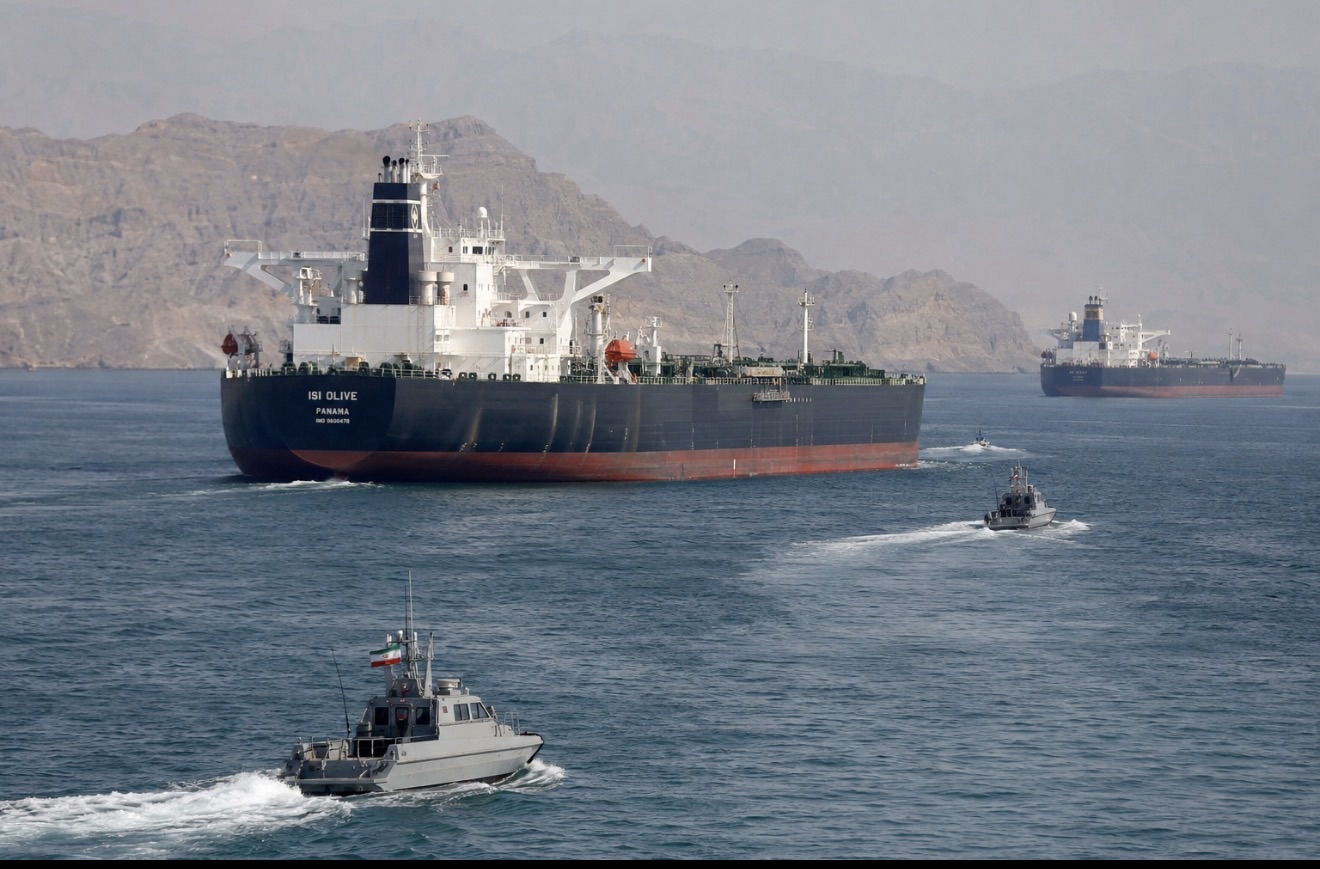
Oil and gas tankers resumed sailing through the Strait of Hormuz on Sunday, July 5, after an alarming series of unexplained U-turns raised fresh fears that one of the world’s most important energy chokepoints could be disrupted again. The reversals were not caused by bad weather or mechanical problems. Instead, ship operators are navigating an active military threat, with Iranian forces continuing to harass commercial vessels, warnings that parts of the waterway remain mined, and captains weighing intelligence reports, crew safety and soaring insurance costs before committing to the passage.
Despite those dangers, ship-tracking data from Kpler and updates from the Joint Maritime Information Center showed that at least six oil and gas tankers successfully transited the U.S.-protected shipping lane along Oman’s coast on Sunday. The number is likely higher because many vessels are now sailing with their tracking transponders switched off to reduce the risk of being identified. Two smaller tankers instead chose a route closer to the Iranian shoreline.
The renewed traffic followed a tense weekend during which at least eight ships approaching the Strait of Hormuz abruptly turned back before completing the transit. While no official explanation has been released for those individual reversals, maritime security experts say captains are making real-time decisions based on military threats, intelligence warnings and the risk that a single drone, missile or mine strike could endanger crews and shut down one of the world’s busiest energy corridors.
The improving traffic is already benefiting American drivers. According to AAA, the national average for regular gasoline stood at $3.81 per gallon on Sunday, down nearly 50 cents from a month ago and well below the spring peak of $4.56 reached on May 21. Patrick De Haan, head of petroleum analysis at GasBuddy, said 38 states have now fallen below $4 per gallon, providing welcome relief during the busy Independence Day travel period.
About one-fifth of the world’s oil and liquefied natural gas normally passes through the Strait of Hormuz. The near-shutdown earlier this year pushed Brent crude above $100 per barrel, but prices have since dropped below $72 as exports steadily recover.
Saudi Arabia has restored crude exports to roughly 90% of pre-war levels, while the United Arab Emirates is shipping more than 3.9 million barrels per day, aided by a pipeline that bypasses the strait. Total oil flows through Hormuz have climbed above 10 million barrels per day, although that remains below the roughly 20 million barrels that moved before the conflict.
Analysts at HSBC say markets have shifted from worrying about shortages to concerns over excess supply, particularly as China has reduced imports. The U.S. Energy Information Administration expects global production and trade to take until early 2027 to fully recover because of damage to regional infrastructure.
Despite improving traffic, the danger has not disappeared. Iran’s Persian Gulf Strait Authority continues to insist that vessels use routes it designates, while the Joint Maritime Information Center said Sunday that Iranian forces are still harassing commercial ships and warned that parts of the strait remain mined.
For businesses, the reopening of this vital shipping lane is already lowering transportation and fuel costs. But traders remain focused on every tanker entering and leaving the Gulf, knowing that a single security incident could quickly send oil and gasoline prices sharply higher again.
JBizNews Desk | Oman
© JBizNews.com All Rights Reserved. Reproduction or distribution without written permission is prohibited.