
 JBizNews
Trump Pardons 11, Freeing a Staffing Executive and Mechanics Who Defied Emissions Rules
President Donald Trump pardoned 11 people on Friday, July 3, 2026, among them a staffing-company executive once tied to the Jack Abramoff lobbying scandal and nine men the White House said were prosecuted for helping drivers strip federal emissions controls off their vehicles, according to a list released Friday evening by a White House official.
The best-known name is Adam Kidan, a former business partner of the disgraced Washington lobbyist Jack Abramoff. Kidan pleaded guilty in 2005 to fraud and conspiracy tied to the purchase of a fleet of SunCruz gambling boats and was sentenced in 2006 to nearly six years in prison. The case grew out of the early-2000s influence scandal that reached Capitol Hill, the Interior Department, and officials in President George W. Bush’s administration.
What the White House chose to emphasize, however, was Kidan’s second act in business. After his 2009 release, he took a job at a staffing agency, founded Chartwell Staffing Solutions, and now serves as president of Empire Workforce Solutions. The White House credited his firms with placing more than 250,000 people in entry-level jobs. Kidan, a Republican donor, was also among the hosts of a March fundraiser at Trump’s Mar-a-Lago resort for a Long Island congressional candidate, according to Newsday. A message left with his business was not returned Friday.
The larger business story sits with the other nine pardons. Each stemmed from Clean Air Act cases involving drivers, mechanics, and sellers convicted of disabling emissions-monitoring systems or selling the “defeat devices” used to bypass them. Trump announced that group first on his Truth Social account, writing that he was honoring people who were, in his view, punished by the prior administration for “fixing their car.” The White House framed the cases as examples of burdensome regulations that hurt small operators, highlighting Army veteran Tim Clancy, whose business it said was effectively destroyed by the enforcement actions.
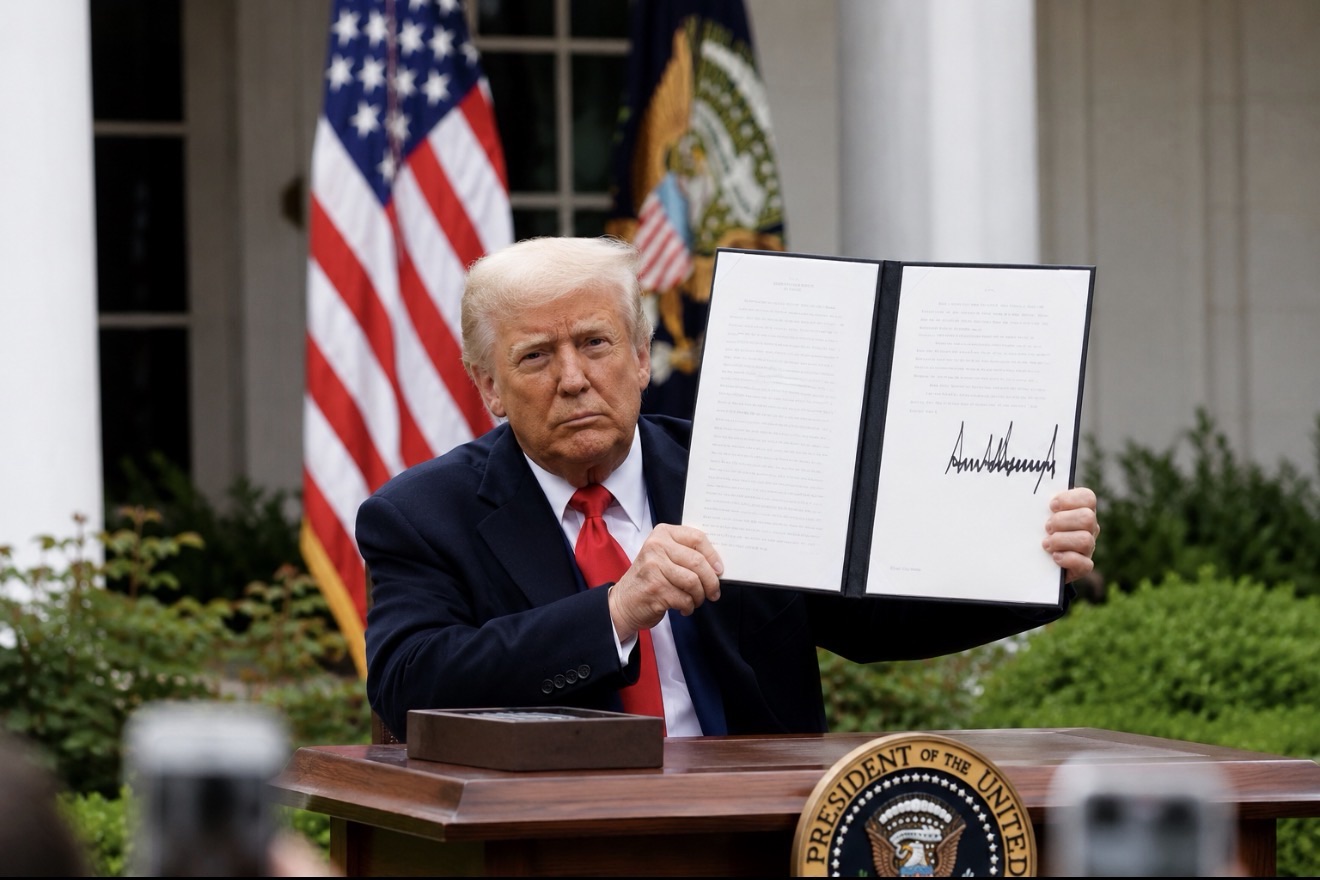
The clemency comes just days after a policy move with broader implications for the automotive repair industry. Earlier in the week, Trump signed a “Freedom to Fix” memorandum directing the Environmental Protection Agency to expand consumers’ and independent repair shops’ ability to repair and modify their own vehicles. The memorandum calls for independent mechanics to receive the same diagnostic and repair information available to franchised dealerships and seeks to curb the California Air Resources Board’s authority over certain aftermarket emissions-related parts. The EPA said the current system places unnecessary burdens on independent businesses and limits consumer choice.
For the aftermarket parts and independent repair industry, that policy shift may carry greater long-term significance than the individual pardons themselves. Thousands of independent repair shops, diesel mechanics, tuners, and aftermarket parts suppliers have argued for years that aggressive federal and California emissions enforcement exposed small businesses to criminal liability while steering customers toward dealership service departments. A regulatory approach that expands repair rights while pardoning individuals convicted under earlier enforcement policies signals a meaningful shift in federal priorities. It also sets up a potential conflict with California, which has long exercised significant influence over national vehicle emissions standards.
Another recipient was Jack Harvard, a Texas rancher and former mayor of Plano during the 1980s who had been convicted of bank fraud. The White House said the pardon recognized his conduct after serving his sentence, including protecting endangered wildlife on his ranch and allowing U.S. military and NATO forces to train there without charge. Officials did not provide additional details about his case.
The full list released by the White House included Joshua Davis, Matt Geouge, Jonathan Achtemeier, Tim Clancy, Ryan Lalone, Wade Lalone, Barry Pierce, Aaron Rudolf, Adam Kidan, Mackenzie Spurlock, and Jack Harvard.
The pardons continue a broader pattern during Trump’s second term of making frequent use of presidential clemency. Supporters have described the emissions-related pardons as relief for mechanics and small-business owners affected by regulatory enforcement, while critics have pointed to the inclusion of political donors and high-profile business figures. For the staffing industry, independent repair shops, and the automotive aftermarket, the clemency actions underscore an administration signaling a lighter regulatory approach toward business.
JBizNews Desk | Washington, D.C.
© JBizNews.com All Rights Reserved. Reproduction or distribution without written permission is prohibited.