
 Matzav
New Poll Shows Dead Heat Between Netanyahu and Eisenkot as Bennett Continues to Slide
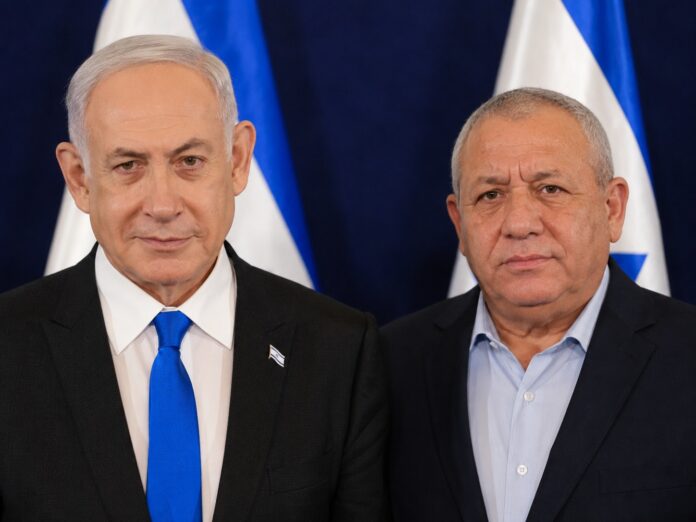
A new poll published Monday night by Israel’s Channel 12 News points to a dramatic shift in the political landscape, with Prime Minister Binyomin Netanyahu’s Likud Party and Gadi Eisenkot’s Yashar Party tied at 23 Knesset seats each for the first time in the current election campaign. The survey, conducted by the Midgam Institute, marks a significant turning point in the race.
According to the poll, Likud lost one seat compared to previous surveys, while Yashar gained one, leaving the two parties deadlocked atop the standings with 23 seats apiece.
Meanwhile, the Beyachad Party, led by Naftali Bennett, continued its downward trend, dropping another seat to 16 mandates. The results suggest the joint Bennett-Lapid political alliance is continuing to lose momentum.
Among the chareidi parties, the poll showed positive movement for United Torah Judaism, led by Yitzchak Goldknopf, which climbed to eight seats—an increase of one mandate from previous polls. Shas, headed by Aryeh Deri, remained steady with eight seats.
Among the mid-sized parties, The Democrats, led by Yair Golan, secured 10 seats, making it the fourth-largest party in the Knesset according to the survey. Yisrael Beiteinu, headed by Avigdor Lieberman, and Otzma Yehudit each received nine seats, with Lieberman’s party showing continued stability among voters.
The Arab parties also maintained a presence in the poll. Hadash-Ta’al, led by Yousef Jabareen and Ahmad Tibi, received six seats. Religious Zionism, headed by Bezalel Smotrich, remained above the electoral threshold with four seats, while Ra’am, led by Mansour Abbas, also received four mandates.
Several parties failed to cross the electoral threshold. Blue and White, led by Benny Gantz, received just one percent of the vote, as did the Reservists Party under Yoaz Hendel. Balad, headed by Sami Abu Shehadeh, polled at only 0.7 percent.
The bloc map remained complex. Parties aligned with the opposition totaled 58 seats, while the current governing coalition stood at 52. The Arab parties collectively held 10 seats, positioning them as a potentially decisive factor in the formation of Israel’s next government.
{Matzav.com}