
 JBizNews
Explosions Heard In Southern Iran As US Strikes Widen And Truce Nears Collapse
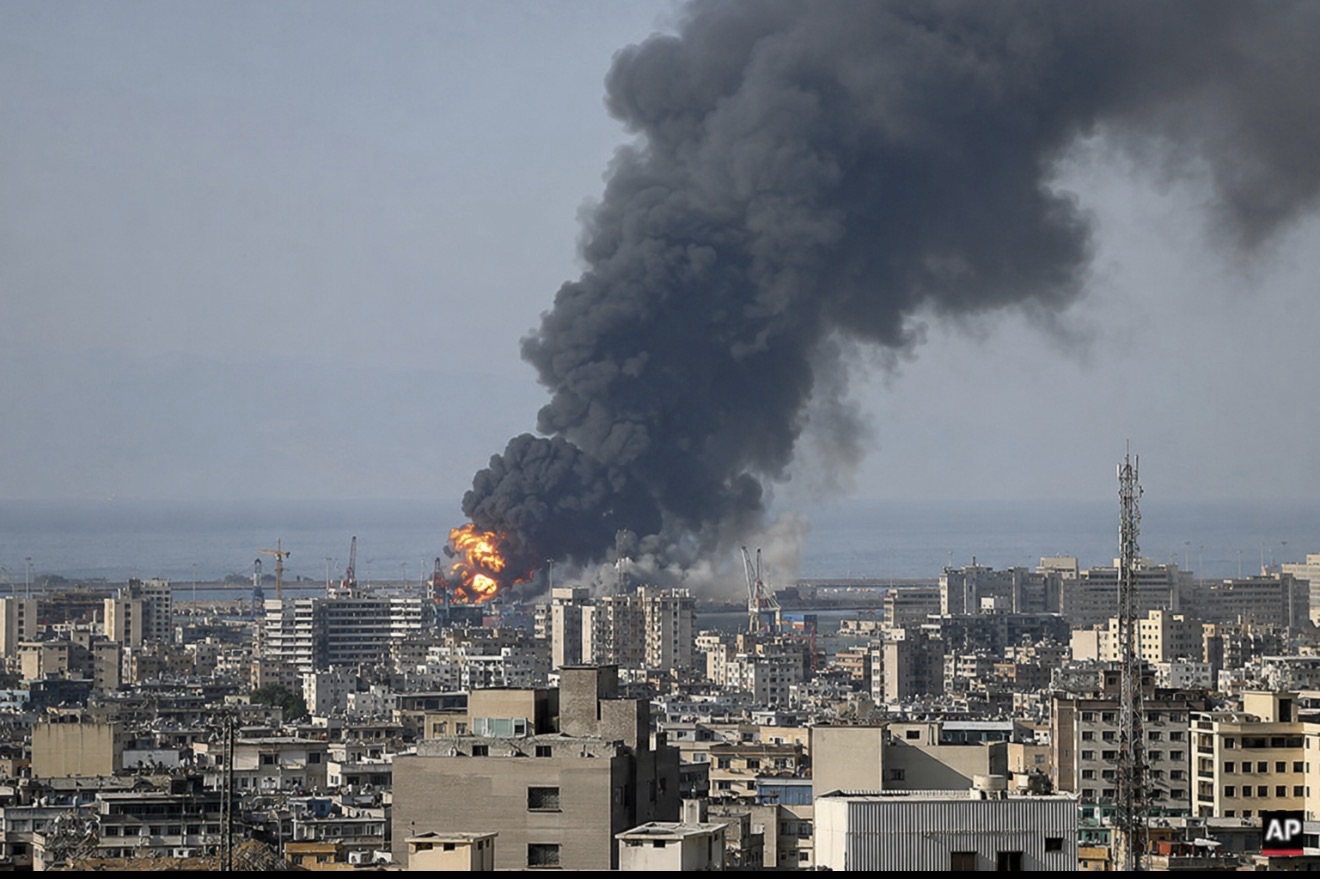
The United States is bombing Iran. On Tuesday, July 7, U.S. Central Command said American forces had begun launching powerful strikes against Iranian targets, and hours later a senior U.S. official said the strikes were still ongoing. Explosions were reported across southern Iran near Bandar Abbas, Qeshm Island and the port of Sirik. The fragile ceasefire that has held since last month is now on the brink of collapse, and oil prices are climbing.
CENTCOM said the strikes answered Iranian attacks on three commercial ships in the Strait of Hormuz, calling Tehran’s actions a clear violation of the ceasefire and vowing to impose heavy costs for hitting vessels crewed by civilians. A senior U.S. official told Fox News the strikes are “significantly larger” than the limited round the U.S. carried out last month. The targets inside Iran include air defense systems, coastal surveillance posts, surface-to-air and anti-ship missile sites, drone launch sites and port facilities.
President Donald Trump, speaking at a NATO summit in Ankara, referred to the broader U.S. campaign, begun February 28, as Operation Epic Fury. The United Kingdom Maritime Trade Operations center raised its threat level for the strait to severe, warning that deliberate hostile action is likely and that mine risk and Iranian naval pressure on vessels persist.
The trigger was the ships. Earlier Tuesday, a tanker was struck by a drone off Oman, a day after the Qatari liquefied natural gas carrier Al Rekayyat took an engine-room fire and a Saudi crude tanker was damaged nearby. Qatar and Saudi Arabia both condemned the attacks as assaults on international shipping and global energy supplies.
This is the gravest test yet of the memorandum of understanding that Trump and Iranian President Masoud Pezeshkian signed June 17. Iran’s deputy foreign minister, in a statement via the FARS news agency, called the strikes a serious breach and said Tehran would take decisive measures. Foreign Minister Seyed Abbas Araghchi said talks on a final deal will not resume until the memorandum’s terms are met, starting with a ceasefire and an Israeli withdrawal from Lebanon. The warning followed Trump’s Monday vow to “make a deal or finish the job.”
Oil markets moved fast. Brent crude, the international benchmark, settled 3% higher at $74.16 a barrel on Tuesday, while U.S. West Texas Intermediate rose 2.8% to $70.44. Both climbed further after hours once Washington opened a second front, with Brent up 5.6% to $76.04 and WTI up 5.4% to $72.25.
That second front was economic. The Treasury Department’s Office of Foreign Assets Control revoked the license that had let Iran sell oil and petrochemicals. Former U.N. ambassador Nikki Haley, on CNBC, argued Iran had been emboldened by earlier concessions, saying released frozen assets and oil waivers left Tehran collecting billions by the day.
For ordinary Americans, a crisis in a distant waterway lands at the gas pump and in the grocery aisle. The U.S. Energy Information Administration has projected wholesale gasoline running roughly 50% above pre-conflict forecasts this year, with diesel higher still. Diesel is the one to watch, because it moves the trucks and trains carrying food, packages and building supplies, so spikes reach store shelves within weeks.
One thing is keeping prices from spiking harder. OPEC+, led by Saudi Arabia, agreed over the weekend to raise production quotas again, and Saudi Aramco cut its Arab Light crude price for Asian buyers by $11 a barrel. That extra supply is why Brent, even after Tuesday’s jump, sits well below the $105 peaks of earlier in the war.
For businesses that live on fuel costs — airlines, truckers, manufacturers and small operators — the message is that the Hormuz risk never left. With U.S. strikes still underway and Iran vowing to hit back, the next move belongs to Tehran, and markets will be watching the strait for where prices head next.
JBizNews Desk © JBizNews.com All Rights Reserved. Reproduction or distribution without written permission is prohibited.