
 JBizNews
Tesla and BYD Deliver a Strong Second Quarter as Global EV Competition Heats Up
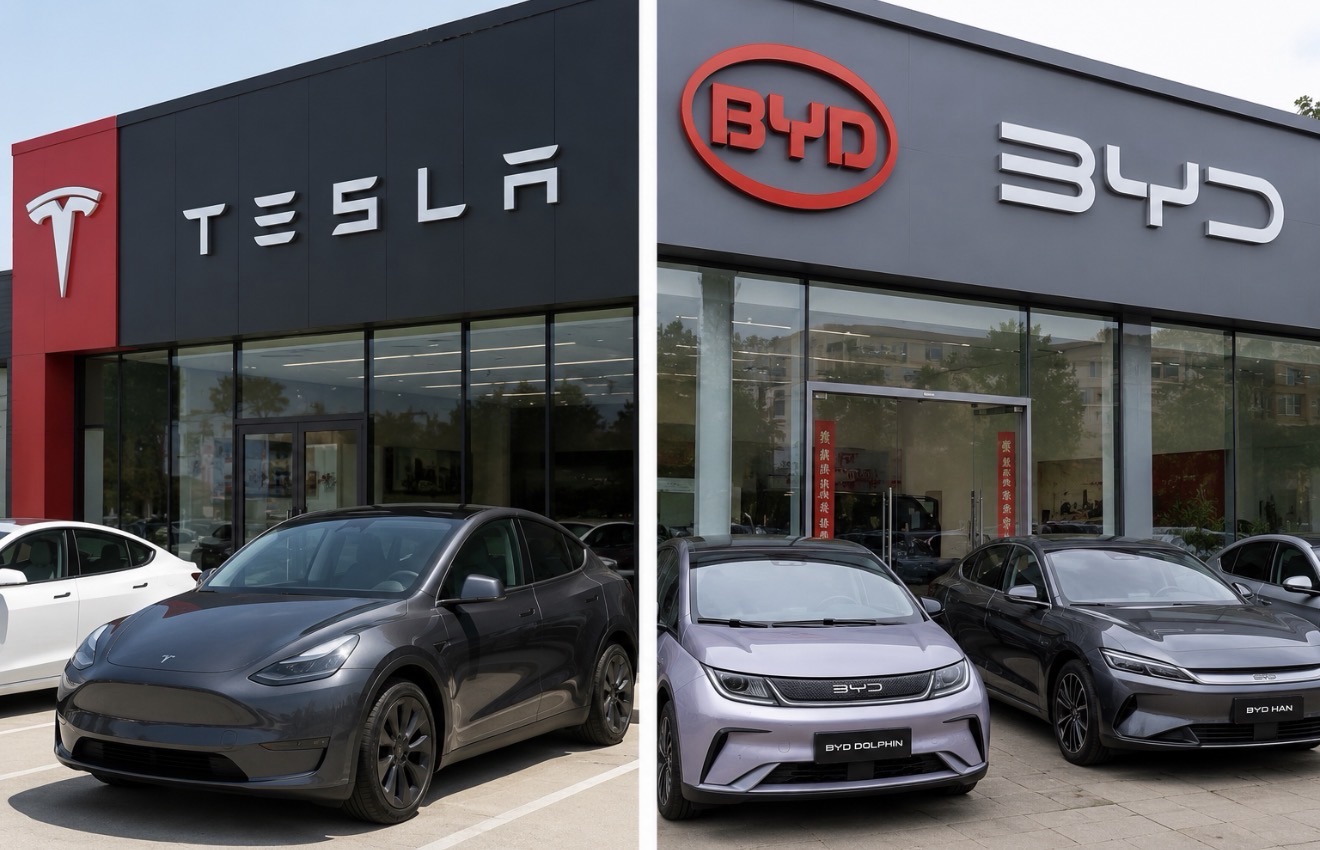
Tesla and BYD reported strong second-quarter delivery results in figures released during the first week of July, underscoring the continued strength of the global electric vehicle market despite intensifying competition and shifting consumer demand. The latest delivery numbers show the world’s two largest electric vehicle manufacturers continuing to battle for market share as automakers race to expand production, lower prices and introduce new technology.
The quarterly results highlight a dramatic turnaround from the cautious outlook that surrounded the EV industry earlier this year. Concerns over slowing demand, higher borrowing costs and increased competition had weighed on the sector, but second-quarter deliveries indicate consumers continue embracing electric vehicles across many major markets.
BYD once again finished the quarter as the world’s largest seller of battery-electric passenger vehicles, delivering more than 557,000 fully electric vehicles during the April-through-June period. Tesla followed with more than 480,000 vehicle deliveries, marking one of the strongest quarters in the company’s history and reinforcing its position as the world’s leading pure electric vehicle manufacturer outside China.
Although BYD maintained its lead in total battery-electric deliveries, Tesla significantly narrowed the gap compared with previous quarters. Industry analysts said the improvement reflects stronger global demand for Tesla’s Model 3 and Model Y vehicles, continued production efficiency and renewed consumer interest following recent pricing adjustments.
The rivalry between the two automakers continues to reshape the global automotive industry. Tesla remains focused exclusively on battery-electric vehicles, while BYD also sells large numbers of plug-in hybrid models, giving the Chinese automaker an even larger presence across the broader new-energy vehicle market.
Competition is expanding well beyond those two companies. Traditional manufacturers including Volkswagen, Hyundai, General Motors, Ford and several emerging Chinese brands continue investing billions of dollars in new electric models as governments around the world tighten emissions standards and consumers seek alternatives to gasoline-powered vehicles.
Pricing has become one of the industry’s biggest competitive weapons. Tesla has repeatedly adjusted prices across key markets while introducing lower-cost model configurations designed to attract additional buyers. BYD continues leveraging its vertically integrated manufacturing strategy, including in-house battery production, allowing the company to aggressively price many of its vehicles while maintaining healthy production volumes.
Industry experts say battery technology remains one of the biggest competitive advantages. BYD’s proprietary Blade Battery has helped lower manufacturing costs while improving safety and driving range. Tesla continues investing heavily in battery development, manufacturing efficiency and software capabilities, areas many analysts believe remain among its strongest long-term advantages.
The growing competition ultimately benefits consumers. Buyers today have more electric vehicle choices than ever before, with expanding model lineups across nearly every price category. Improved driving range, faster charging technology and declining battery costs continue making electric vehicles increasingly practical for both families and businesses.
Global expansion also remains a major focus. BYD continues increasing exports across Europe, Southeast Asia and Latin America while Tesla maintains manufacturing operations serving North America, Europe and Asia. Both companies are expected to remain aggressive as they compete for market share in regions where EV adoption continues accelerating.
For investors, the second-quarter delivery reports provide another reminder that the electric vehicle market remains one of the fastest-changing sectors of the global economy. Quarterly delivery figures have become one of the industry’s most closely watched performance indicators because they offer an early look at consumer demand before companies release their full financial results.
The broader business impact extends far beyond the automakers themselves. Strong EV sales support manufacturers of batteries, semiconductors, charging equipment, software, mining companies supplying critical minerals and thousands of suppliers throughout the global automotive supply chain.
While challenges remain—including pricing pressure, trade policies and continued competition—the latest delivery results suggest demand for electric vehicles remains resilient. As more manufacturers enter the market and technology continues improving, consumers are expected to benefit from greater innovation, increased affordability and a wider selection of electric vehicles than ever before.
JBizNews Desk | Global Auto Markets
© JBizNews.com All Rights Reserved. Reproduction or distribution without written permission is prohibited.