
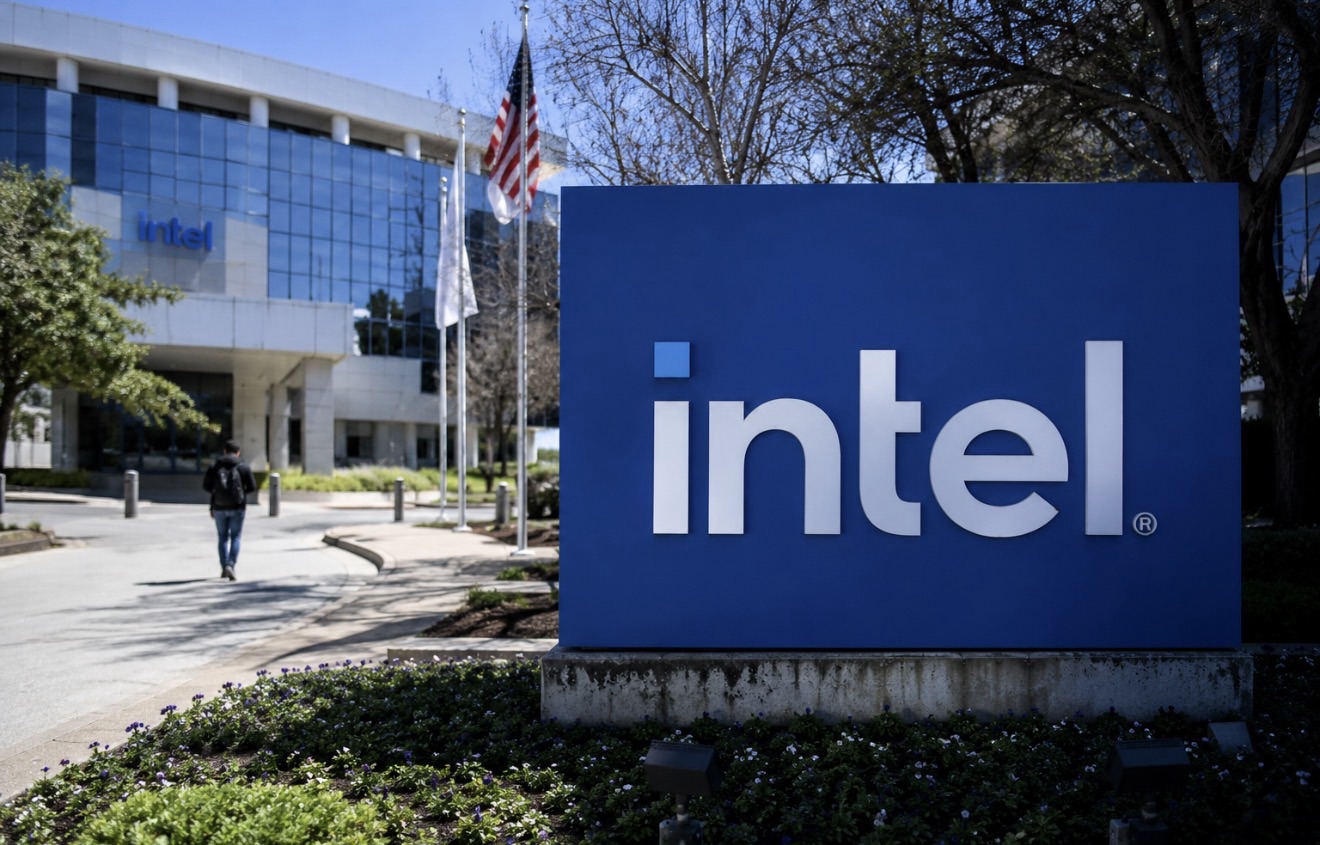

Intel confirmed Monday, July 6, that it is increasing prices on several of its computer processors, citing rising supply chain costs and continued strong demand as the artificial intelligence boom reshapes the global semiconductor industry. The move marks a significant shift for an industry where chip prices have historically fallen over time as technology improves and manufacturing becomes more efficient.
The price increases affect both consumer processors and high-end server chips used in corporate data centers, underscoring how AI-related demand is now influencing virtually every segment of the semiconductor market.
For consumers, Intel raised suggested prices on several processors in its Core Ultra 200S Plus desktop lineup. Depending on the model, prices increased by roughly $30 to $50, representing increases of approximately 10% to 17% over previous suggested retail prices.
The larger increases came in Intel’s data-center business. Several Xeon server processors now carry price hikes ranging from hundreds of dollars to well over $1,000. Intel’s flagship Xeon 6980P processor, for example, increased from $12,460 to $13,955, reflecting one of the largest price adjustments in the company’s enterprise lineup.
The reason extends far beyond Intel itself.
Artificial intelligence has triggered an unprecedented wave of investment in data centers around the world. Technology companies, cloud providers and governments continue spending billions of dollars expanding AI computing infrastructure, dramatically increasing demand for advanced memory, storage and semiconductor manufacturing capacity.
That surge has tightened supplies throughout the semiconductor industry.
Although many of Intel’s processors are not specifically designed for AI workloads, they compete for manufacturing capacity, advanced packaging and critical components with chips produced for AI applications. As demand continues rising, component costs have increased across much of the electronics supply chain.
Industry analysts say Intel is not alone.
Several semiconductor manufacturers have recently announced or signaled price increases tied to higher production costs and ongoing shortages of advanced memory components. Suppliers throughout the industry continue facing pressure as demand outpaces available manufacturing capacity for many high-performance technologies.
The ripple effects extend well beyond semiconductor companies.
Computer manufacturers, enterprise technology providers and cloud-computing companies all depend on processors whose production costs continue rising. Higher component prices eventually work their way into desktops, laptops, servers and enterprise technology purchases made by businesses around the world.
For consumers, the timing could matter.
Retail prices do not always increase immediately because many stores continue selling inventory purchased before manufacturers raised prices. However, analysts expect higher wholesale costs to gradually reach retailers over the coming weeks and months as existing inventory is replaced.
Businesses planning major technology upgrades may also face higher costs.
Organizations purchasing servers, upgrading office computers or expanding data-center capacity could see larger hardware budgets as semiconductor pricing adjusts to current market conditions.
The broader significance highlights one of the unexpected consequences of the artificial intelligence revolution.
While AI promises enormous productivity gains, it is also increasing demand for the components that power modern computing. That competition is pushing prices higher not only for specialized AI hardware but also for products used every day by businesses, schools and consumers.
Intel’s decision reflects growing confidence that demand remains strong enough to support higher pricing despite continued competition throughout the semiconductor industry. The company left prices unchanged on many products, suggesting it is focusing increases on processors experiencing the strongest demand rather than implementing broad price hikes across its entire portfolio.
As AI investment continues accelerating worldwide, industry observers expect semiconductor pricing to remain one of the most closely watched indicators of supply-chain conditions. Whether additional manufacturers follow Intel with further price increases may help determine how much more consumers and businesses ultimately pay for technology over the coming year.
JBizNews Desk | Santa Clara, Calif.
© JBizNews.com All Rights Reserved. Reproduction or distribution without written permission is prohibited.