
 JBizNews
Just Released: IMF Cuts Global Growth Forecast to 3% as Inflation Outlook Rises
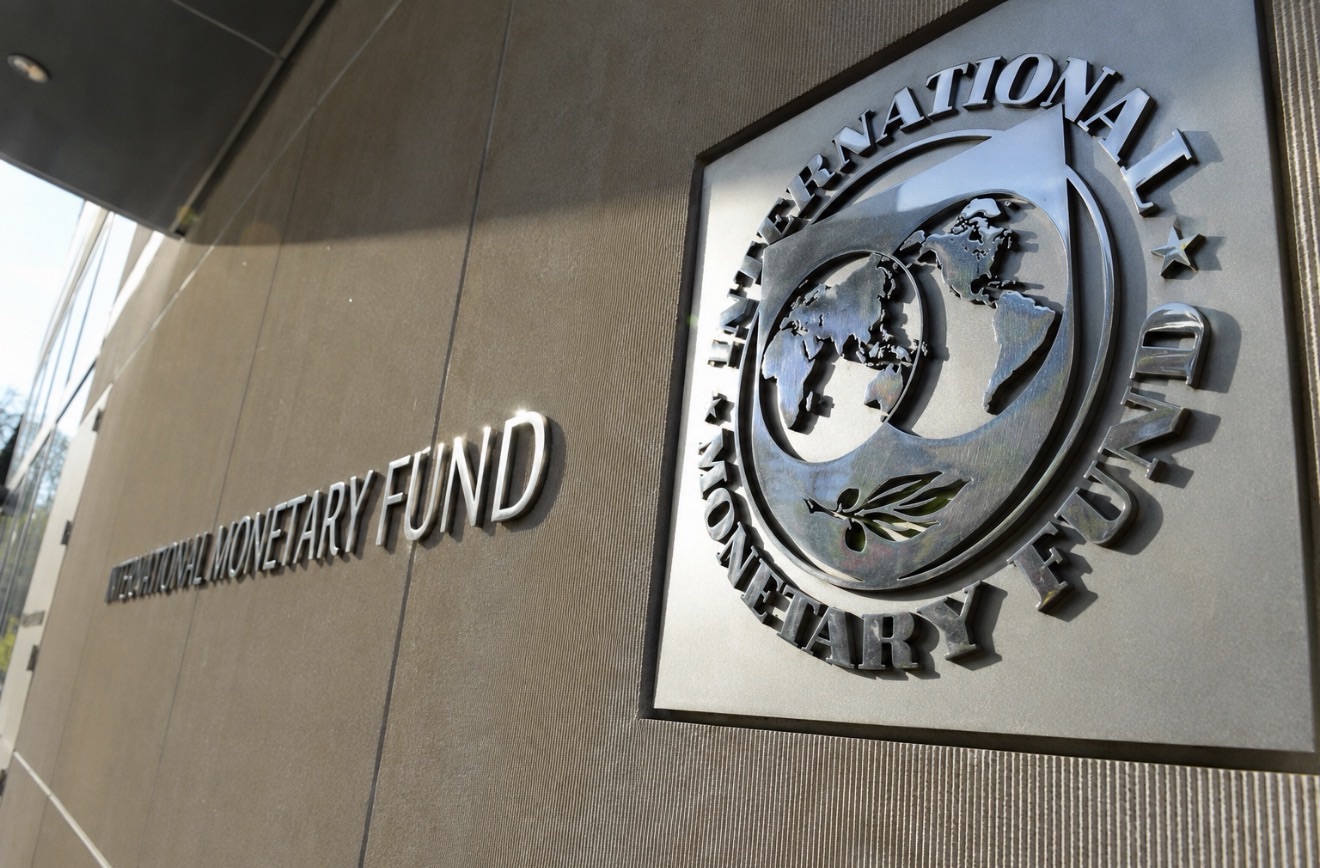
WASHINGTON — The International Monetary Fund (IMF) lowered its outlook for the world economy on Wednesday, July 8, trimming its 2026 global growth forecast to 3.0% and raising its inflation projection, even as it argued that the world had absorbed the shock of the Middle East war better than many had feared. Deniz Igan, who leads the World Economic Studies division of the Fund’s research department, presented the newly released update during a morning briefing in Washington.
The new figure marks a slight downgrade from the 3.1% growth forecast the IMF issued in April. The Fund expects global growth to recover to 3.4% in 2027, though that would still remain below the 3.5% average pace recorded in 2024 and 2025. On prices, it raised its 2026 headline inflation forecast by three-tenths of a percentage point to 4.7%, before projecting inflation to ease to 3.9% in 2027.
The Fund’s cautiously optimistic outlook rests on one critical assumption. Its forecast is built on expectations that the Strait of Hormuz—the narrow Persian Gulf shipping lane through which a significant share of the world’s oil supply travels—will begin reopening in mid-July and gradually return to normal conditions by March 2027. Based on that assumption, the IMF credited releases from strategic petroleum reserves, ample commercial inventories and resilient demand from the technology sector with helping the global economy withstand the conflict better than many economists had expected.
That assumption appeared to come under pressure almost immediately.
The report was released the same morning that President Donald Trump, speaking in Ankara ahead of a NATO summit, declared that the understanding between the United States and Iran was “over.” His remarks followed overnight military action after attacks on commercial vessels near the Strait of Hormuz. Iran’s Islamic Revolutionary Guard Corps said it had targeted U.S. military facilities in Bahrain and Kuwait in response, while the U.S. Treasury Department revoked the license that had allowed Iran to continue selling oil on global markets.
The contrast between the IMF’s assumptions and rapidly changing geopolitical developments was striking.
While the Fund’s baseline forecast assumes the energy shock will gradually ease, renewed tensions threaten to keep oil prices elevated and increase the risk of additional supply disruptions. Brent crude traded above $76 per barrel, while West Texas Intermediate (WTI) remained above $72 per barrel, extending gains as traders monitored developments in the Gulf. The IMF noted that energy prices were already running roughly 25% higher than before the conflict began on February 28. Should disruptions in the Strait of Hormuz continue, the Fund’s baseline projections could prove overly optimistic.
The regional outlook reflected those risks.
The IMF left its 2026 U.S. growth forecast unchanged at 2.3% and slightly increased its 2027 estimate to 2.2%. It reduced its outlook for the euro area to 0.9% from 1.1%, lowered Japan to 0.6%, and trimmed India, while still among the world’s fastest-growing major economies, to 6.4%. The largest downgrade came in the Middle East and Central Asia, where projected 2026 growth fell by 1.2 percentage points to just 0.7%, although the IMF expects a stronger rebound in 2027 if regional conditions stabilize.
Global trade is also expected to cool.
The IMF projects world trade growth will slow to 3.5% in 2026, down from 5% in 2025, a year boosted by companies accelerating imports ahead of higher U.S. tariffs. Trade growth is then expected to recover to 4.3% in 2027.
One subtle but significant change also stood out.
In its April forecast, released shortly after the conflict began, the IMF outlined multiple economic scenarios, including a severe case in which prolonged energy disruptions pushed inflation above 6% and significantly weakened global growth. In Wednesday’s report, however, the Fund returned to a single baseline forecast and removed those alternative downside scenarios, even as geopolitical uncertainty appears to be increasing.
For American businesses and consumers, the report offers both reassurance and caution.
The IMF continues to see the U.S. economy expanding at a healthy pace while inflation gradually moderates over the next two years. At the same time, much of that outlook depends on energy markets remaining relatively stable. Higher oil prices eventually ripple through transportation, manufacturing, shipping and retail prices, affecting everything from gasoline to groceries.
The IMF’s message is that the global economy has shown greater resilience than many expected. Whether that optimism proves justified will depend largely on events unfolding in the Middle East. As markets digested the report, investors were already watching developments in the Gulf that could reshape the very assumptions underlying the Fund’s latest forecast.
JBizNews Desk | Washington
© JBizNews.com All Rights Reserved. Reproduction or distribution without written permission is prohibited.