
 JBizNews
Musk Says AI and Robots Will Make Work Optional. Burry Warns: Revolution First
Elon Musk is making one of his boldest promises yet — and a famous market skeptic has already shot it down.
Musk, the chief executive of Tesla and SpaceX, wrote on X on Thursday, July 2, that machines will soon handle so much of the world’s work that people will no longer need jobs to get by. “AI+Robots will be able to do everything, resulting in universal high income,” he wrote. “Work will be optional.”
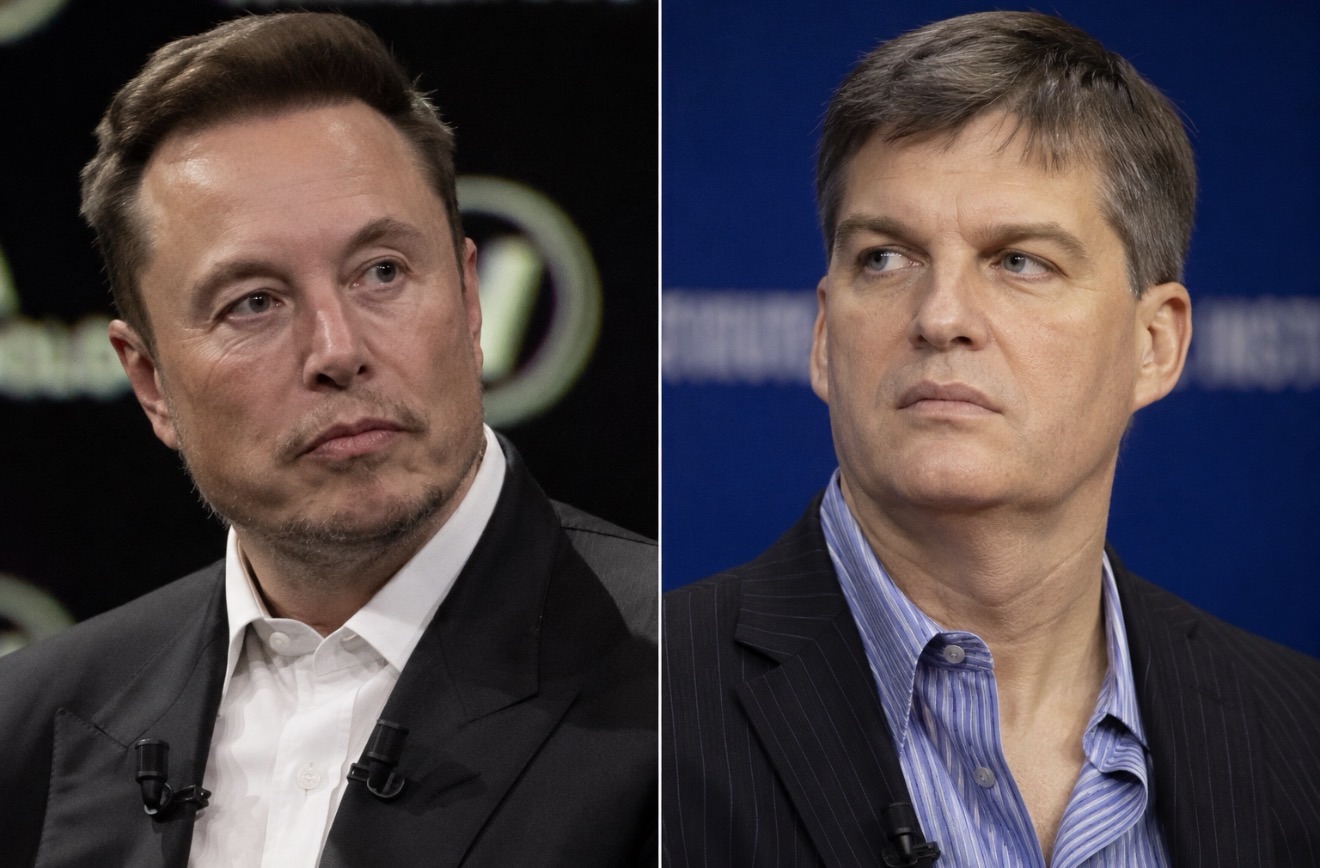
The pushback came fast. Michael Burry, the investor made famous by The Big Short for calling the 2008 housing crash, replied with a single word: “False.” Then he added, “There will be revolution first.”
Musk was responding to an essay posted the same day by fellow billionaire Chamath Palihapitiya, a venture capitalist and former Facebook executive. The piece, titled The Great Descent, argued that the cost of expertise is falling toward zero as AI tools let ordinary people tap skills that once required hiring a lawyer, an accountant or a consultant.
Musk has made a version of this pitch for years. His argument is that AI and robots will drive down the cost of nearly everything — food, housing, healthcare, energy — until governments can afford to hand citizens enough money to live well. He calls it “universal high income,” a step beyond the “universal basic income” that former presidential candidate Andrew Yang campaigned on in 2019 with his $1,000-a-month plan. Musk’s version promises not just survival, but comfort.
He has pushed the idea even further. Musk has said saving for retirement could become “irrelevant” within 20 years because there will be so much wealth to go around that no one will need a nest egg.
Burry is not buying the timeline. On Substack last week, he disclosed that he is betting against Tesla stock. Back in late January, he called Musk “an American treasure but also a desperately incentivized futurist” — a jab at the billionaire’s habit of predicting a future that happens to line up with his own companies. Burry knows something about early calls: his bet against the mid-2000s housing bubble proved right, but years too soon.
His warning about revolution points to the gap between Musk’s rosy end state and the difficult transition that could come first. The concern is that if AI displaces large numbers of workers before any broad safety net is in place, the result could be widespread social unrest rather than a smooth transition into leisure.
He is not the only heavyweight worried about the handoff. Ray Dalio, founder of the hedge fund Bridgewater Associates, has warned that AI could widen the gap between rich and poor and raise the risk of internal conflict — even civil war. On The Diary of a CEO podcast last fall, Dalio said governments will need a redistribution plan for the AI era and that it must give people more than money, since idleness itself breeds anger. JPMorgan Chase chief Jamie Dimon has likewise spoken about how sharply AI could reshape the workplace.
For everyday workers, the debate is not academic. Some companies have cited AI as one factor in workforce reductions, and the promise of a comfortable government income remains a long way from any paycheck. The question sitting under the billionaire back-and-forth is simple: who pays, and when.
A “high income” for everyone would mean moving trillions of dollars from the companies and investors who own the AI to the workers it replaces. That is a political fight, not a technical one — and critics doubt the same billionaires cheering the technology would line up to fund the redistribution. As analysts have noted, the whole vision rests on wealthy backers agreeing to a massive transfer of their own money.
Governments have tested small versions of the idea. Cash-transfer pilots and one-time stimulus checks have come and gone. But turning that into a permanent, comfortable income for entire populations would demand a rebuilt tax system and a level of political agreement that does not exist right now.
For now, the two men stand at opposite poles: Musk promising abundance and Burry warning of upheaval before it arrives. The workers caught in between are left watching the machines improve every month — and wondering which billionaire has it right.
JBizNews Desk
© JBizNews.com All Rights Reserved. Reproduction or distribution without written permission is prohibited.