
 JBizNews
Goldman Sachs Bans Employees From Betting on Finance, Politics and War
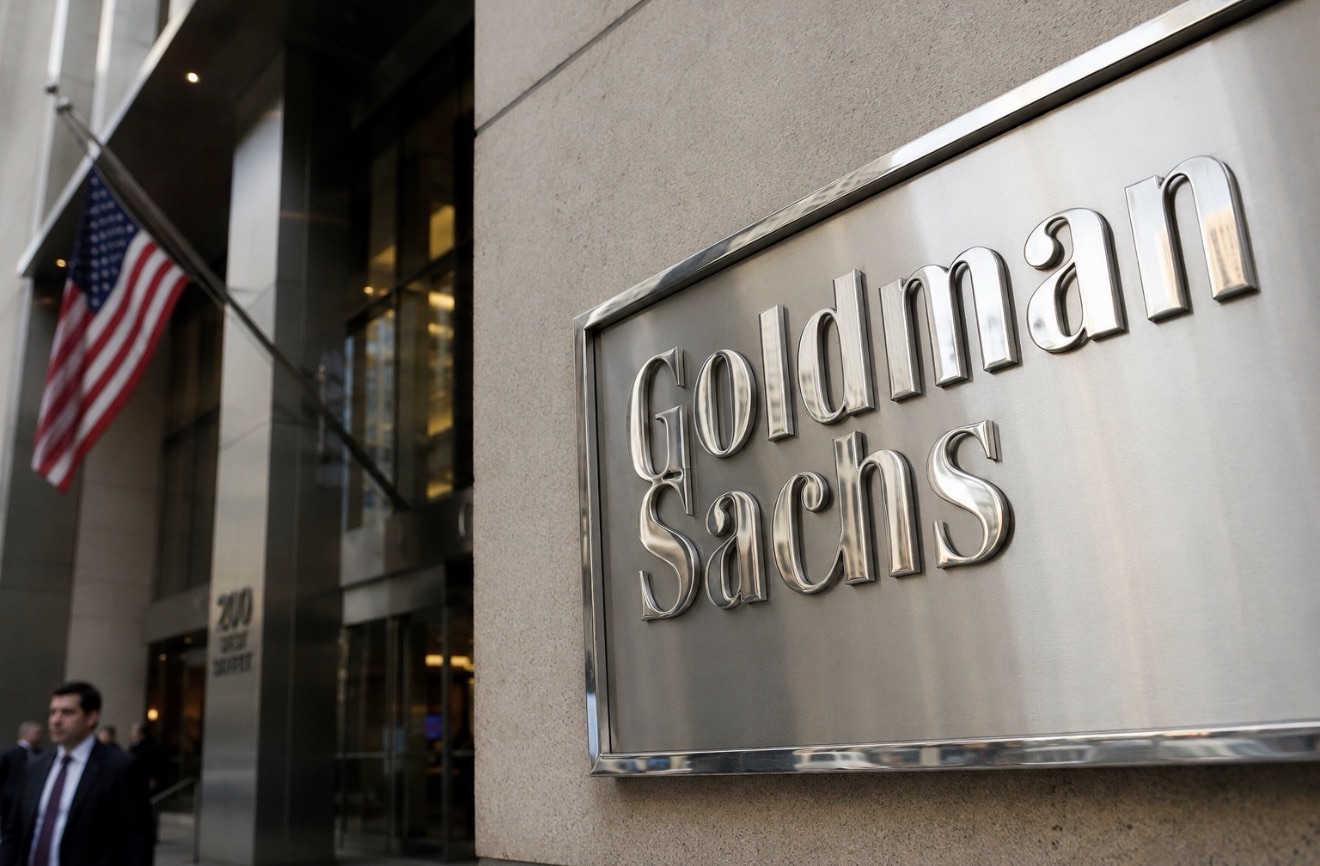
Goldman Sachs has barred employees from placing bets on prediction markets involving financial markets, elections, geopolitics and major economic events, expanding its personal trading policy as Wall Street responds to growing concerns over insider trading and conflicts of interest.
The revised policy, confirmed Thursday, July 9, prohibits employees from trading event contracts tied to individual companies, financial markets, election outcomes, geopolitical conflicts and other events where employees could potentially possess material nonpublic information.
According to a policy document reviewed by Bloomberg News, the restrictions also cover contracts involving Goldman Sachs itself, including wagers related to possible mergers, acquisitions, restructurings or other corporate events.
Employees who repeatedly violate the policy could face disciplinary action, including termination, while the bank also reserves the right to recover improper profits or require gains exceeding $200 to be donated to charity.
A Goldman Sachs spokesperson declined to comment on specific provisions of the policy but reiterated that employees are prohibited from trading on material nonpublic information across all markets.
The move represents one of the strongest restrictions adopted by a major Wall Street bank as prediction markets rapidly expand beyond sports into finance, politics, economics and global events.
Only months ago, Goldman Sachs Chief Executive David Solomon publicly praised prediction markets, calling them “super interesting” after meeting with executives from leading event-trading platforms.
The firm’s position shifted following increased regulatory scrutiny.
In May, the Commodity Futures Trading Commission and the U.S. Department of Justice charged a Google employee with allegedly using confidential company information to profit from contracts traded on Polymarket, marking one of the first insider trading cases centered on an event-betting platform.
Regulators alleged the employee earned approximately $1.2 million by trading contracts linked to Google’s annual “Year in Search” rankings using information unavailable to the public.
The case highlighted a growing challenge facing employers.
Prediction markets now allow participants to wager on thousands of possible outcomes, including corporate earnings, mergers, Federal Reserve decisions, inflation reports, ceasefires, elections and cryptocurrency prices. That expansion creates more opportunities for employees with inside information to improperly profit from future events.
Compliance experts say traditional insider trading policies technically cover these markets, but many firms are now explicitly adding prediction-market language to eliminate uncertainty.
Goldman Sachs is not alone.
Several major financial institutions have begun reviewing or strengthening their policies. JPMorgan Chase has advised employees to exercise caution when trading financial event contracts, while Morgan Stanley points to existing insider trading rules governing employee conduct.
Some hedge funds have gone even further. Point72 Asset Management and Balyasny Asset Management have prohibited employees from participating in prediction markets entirely.
Government officials have also become increasingly concerned.
Earlier this year, White House officials reportedly reminded staff that using confidential government information to trade prediction-market contracts could violate ethics rules and federal law after unusual trading activity appeared ahead of several major policy announcements.
The rapid growth of platforms such as Polymarket and Kalshi has attracted millions of users seeking to trade contracts tied to political, economic and business events rather than traditional stocks or commodities.
Supporters argue prediction markets improve forecasting by aggregating information from thousands of participants. Critics counter that the markets create new opportunities for insider trading, market manipulation and conflicts of interest.
For Goldman Sachs, the legal and reputational risks appear to outweigh any benefits.
The bank spends heavily monitoring employee trading activity across stocks, bonds and other securities. Expanding those controls to prediction markets reflects the growing view that event contracts now present many of the same compliance risks as traditional financial instruments.
As prediction markets continue expanding into mainstream finance, more banks, investment firms and corporations are expected to adopt similar restrictions to reduce legal exposure and protect confidential information.
Goldman Sachs’ decision signals that Wall Street increasingly views prediction markets not simply as a new form of speculation, but as another area requiring strict compliance oversight in an era when almost any future event can become a tradable contract.
JBizNews Desk | New York
© JBizNews.com All Rights Reserved. Reproduction or Distribution without Written Permission is Prohibited.