
 Matzav
Netanyahu Pushes to Reshape Likud Slate, Sparking Revolt Among Sitting MKs
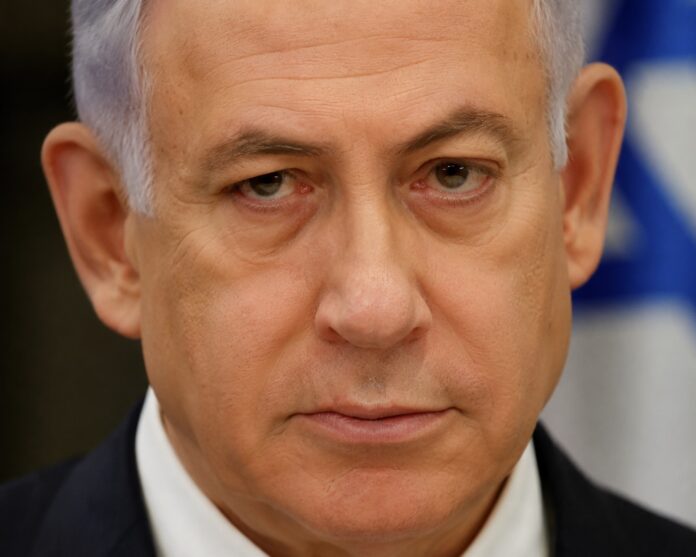
Prime Minister Binyamin Netanyahu is pushing a dramatic overhaul of Likud’s candidate selection process ahead of the next election, seeking to secure broad authority to shape the party’s Knesset list through reserved slots and a selection committee—a move that has triggered growing resistance from incumbent lawmakers who fear for their political futures.
The Likud Constitution Committee, headed by Minister Chaim Katz, is scheduled to convene Sunday evening to make a final decision on how the party’s Knesset slate will be chosen and to approve the rules governing the upcoming primaries.
Netanyahu has already canceled his participation in the committee’s meetings three separate times, reportedly to postpone the sensitive discussions while the Knesset remained in session. According to party insiders, the delays were intended to prevent internal tensions from spilling over into coalition politics during the legislature’s final week before the election campaign.
If approved by the committee, the proposal will move to the Likud Convention, where approximately 5,000 delegates will cast secret ballots at 15 polling stations across the country to decide whether to adopt the changes. The vote comes despite an unusual warning from the party’s internal comptroller, attorney Shay Galili, who cautioned that canceling or significantly limiting the primary system could expose the party to serious legal challenges.
Two competing proposals are currently under discussion, both of which would significantly strengthen Netanyahu’s control over the composition of the party’s list.
Under Netanyahu’s preferred plan, the prime minister would receive the authority to reserve between 10 and 11 personal slots on the list, including four positions within the top ten. The goal, according to sources, is to reshape the parliamentary faction by replacing some current lawmakers with candidates viewed as stronger public representatives and closer to Netanyahu.
A second proposal, backed by several cabinet ministers, would establish a hybrid system. Under that model, a special selection committee would determine the placement of approximately 20 incumbent ministers and MKs, while primaries would be held only for district representatives. The practical effect would be that the first 30 positions on the Likud list would largely be determined in advance.
To ease opposition within the party, officials are also considering placing representatives from three districts—the Negev, Shfelah, and Dan/Tel Aviv regions—within the top 30 positions. Another proposal would amend party rules to allow incumbent MKs to compete in district slots that are currently reserved exclusively for new candidates.
Although both plans would benefit Netanyahu politically, they have alarmed many sitting Likud lawmakers. Unlike a traditional primary, in which incumbents compete for numerous realistic positions, both proposals would sharply reduce the number of available spots. Those not selected through Netanyahu’s reserved appointments or by the proposed committee would be forced to compete for the limited district positions.
According to party sources, Netanyahu’s broader objective is to substantially reshape the Likud faction by replacing several current ministers and MKs in an effort to improve the party’s public image and present a refreshed slate to voters.
Against the backdrop of concerns over the next election, Netanyahu is reportedly seeking to replace outspoken figures such as Tally Gotliv, Dudi Amsalem, Idit Silman, May Golan, and Shlomo Karhi with candidates viewed as more broadly representative.
At the same time, he hopes to bring prominent new figures into the party’s top ranks, including Local Government Center chairman Chaim Bibas. Another name reportedly being considered for a reserved slot is Tally Guaily, the mother of fallen hostage Ran Guaily, z”l.
One senior party source described the emerging structure by saying, “There is a display window, there is a store, and there is a warehouse.”
Creating a selection committee would also provide Netanyahu with a political advantage by allowing the committee—not the prime minister personally—to make many of the controversial decisions regarding candidate placement. If the proposal is adopted, Kiryat Motzkin Mayor Tzvika Brot is expected to chair the committee, alongside several influential Likud mayors, including Chaim Bibas, Ronen Plot, Beni Biton, Yaakov Peretz, and Shay Hajaj.
Among those posing the greatest challenge to Netanyahu’s plans is MK Tally Gotliv, whose popularity among the party’s grassroots members has made efforts to sideline her particularly difficult.
“If I weren’t here, you wouldn’t be in the Knesset,” Gotliv declared. “Everyone would vote for Ben Gvir.”
Although efforts to push her aside continue, senior party officials acknowledge that her strong support among Likud activists could make such a move difficult.
Gotliv has also escalated her opposition by warning that she may not seek reelection on the Likud ticket if the party abandons traditional primaries.
“If there are no primaries, I’ll consider not running with Likud,” Gotliv told Walla. “Likud is a party of voters. It’s a democratic party. The smart, right-wing voters are the ones who decide. The fact that some people are afraid of receiving a low ranking in the primaries is not a reason to cancel the primaries.”
Pressure inside the party continues to mount. Roughly 60 candidates—including 43 sitting ministers and MKs—are expected to compete for only about 20 realistic positions on the next Likud slate.
In an effort to ease concerns among incumbents, Netanyahu has reportedly promised an expanded version of the so-called Norwegian Law, under which ministers resign their Knesset seats, allowing additional Likud candidates lower on the list to enter parliament. However, that proposal would only take effect if Likud succeeds in forming the next government.
Meanwhile, political maneuvering is also intensifying across the broader political landscape. Coalition and opposition parties remain deadlocked over election procedures, including disputes over relocating polling stations away from nursing homes.
In the opposition, MK Chili Tropper is expected to join Gadi Eisenkot’s emerging political list, although Eisenkot has indicated he intends to accept only a limited number of candidates. Benny Gantz’s camp, meanwhile, continues to face uncertainty, with associates reportedly saying they are “selling an option, not a party,” as current polls show the faction failing to clear the electoral threshold.