
 Vos Iz Neias
Legal Advisor Rejects Proposed Freeze On Yeshiva Student Arrests: ‘Violates Principle Of Equality’
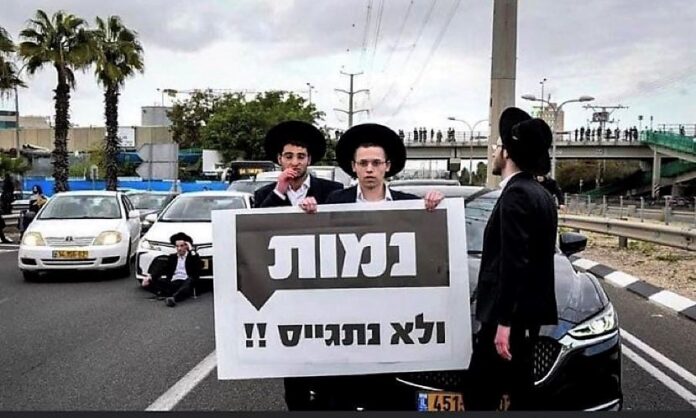
JERUSALEM (VINnews) — Attorney Miriam Frenkel-Shor, the legal adviser to the Knesset’s Foreign Affairs and Defense Committee, has issued a legal opinion stating that a proposed amendment to Israel’s Security Service Law, which would freeze the arrest of charedi yeshiva students who fail to report for military service, raises significant constitutional concerns and may not withstand review by Israel’s High Court of Justice.
Ahead of Sunday’s committee vote on the law, Frenkel-Shor concluded that the current draft differs substantially from previous legislative proposals. According to her opinion, earlier frameworks sought to balance recognition of the importance of Torah study with efforts to reduce inequality in the burden of military service. By contrast, she argues, the current proposal focuses almost exclusively on granting a special arrangement for yeshiva students without sufficient balancing mechanisms.
The legal opinion states that the bill would effectively suspend arrests, criminal investigations, and legal proceedings against yeshiva students who do not report for military service, including those who may fail to report in the future. According to the committee’s legal adviser, this arrangement undermines the principles of equality before the law and law enforcement while placing a substantial administrative burden on the IDF and the Military Advocate General’s Office, which would be required to review tens of thousands of individual cases within a limited timeframe.
Frenkel-Shor also criticized the bill’s oversight provisions. She wrote that the proposed monitoring mechanism would be ineffective because inspections are scheduled to begin only after the Bein Hazmanim vacation period, leaving little time for meaningful supervision. She further noted that several enforcement provisions were removed from the draft, including sanctions against institutions or officials who submit false affidavits.
According to the opinion, the bill also lacks enlistment targets, personal or institutional sanctions, withdrawal of financial benefits, budget reductions, or other measures intended to encourage military service. In her view, the absence of these elements effectively creates a sector-specific exemption from military service obligations without adequate safeguards to offset the impact on the principle of equality.
Frenkel-Shor concludes that even if the legislation is enacted as a temporary measure, that alone would not cure its constitutional deficiencies. She argues that combining a freeze on criminal proceedings with effective oversight and the suspension of certain economic benefits could have alleviated some of the legal concerns, but those balancing mechanisms are absent from the current version of the bill.
According to the position reflected by the legal adviser to the Foreign Affairs and Defense Committee, there appears to be no legal difficulty with the fact that tens of thousands of yeshiva students and kollel scholars have, against their will, become lawbreakers as a result of the High Court’s ruling and the legal adviser’s directives. Nor is there any concern that they now feel persecuted and fearful every time they leave their homes.There is evidently no constitutional problem with otherwise law-abiding citizens being subjected to degrading treatment by the authorities and being afraid to turn to the police for assistance after experiencing violent attacks.
Apparently there are those who seek to preserve the current chaos in Israel’s streets during the election period and to assist the enemies of Torah in continuing an unprecedented campaign of persecution against Torah scholars.