
 Matzav
Beit Shemesh Beis Din Issues Unique Ruling to Resolve Shabbos Elevator Dispute
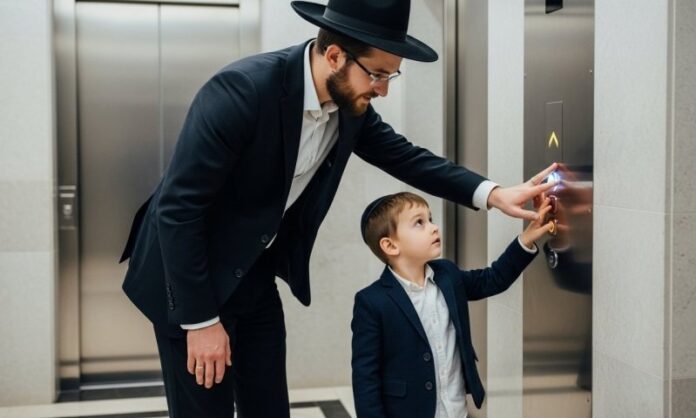
A Beis Din in Beit Shemesh has issued a unique compromise ruling to resolve a prolonged dispute between residents of an eight-story apartment building over the operation of a Shabbos elevator, balancing the needs of elderly and upper-floor residents with concerns about preserving the building’s Shabbos atmosphere.
The ruling follows lengthy deliberations over a dispute that erupted in a residential building in the city’s Ramat Beit Shemesh Daled neighborhood, highlighting an issue that has become increasingly common as high-rise construction expands within the chareidi community.
According to sources, the building was originally equipped by the developer with a Shabbos elevator control system, which was included as part of the apartments’ specifications when the units were sold. However, after residents moved in, disagreements emerged over whether the system should actually be operated on Shabbos and Yom Tov.
Residents supporting the elevator’s operation argued that the feature was purchased as part of their homes and that they were entitled to use it. They noted that an elderly resident living on the seventh floor, as well as a family residing on the top floor, face significant hardship without a functioning Shabbos elevator, at times making it difficult even to attend tefillos on Shabbos.
Opponents countered that operating a Shabbos elevator would undermine the atmosphere and sanctity of Shabbos within the building. They also argued that it could negatively affect the chinuch of children and alter the building’s unique character, which is home primarily to bnei Torah families.
Both sides ultimately agreed to submit the matter to a Beis Din composed of Rav Naftali Tzvi Hirsch Rotenberg, one of Beit Shemesh’s rabbanim, together with Rav Yitzchak Lezenovsky, a dayan at the Nesivos Chaim Beis Din in Yerushalayim and the Ashkenazi Beis Din in Beitar Illit.
During the proceedings, the dayanim heard extensive arguments from both sides. In their written ruling, they discussed at length the sanctity of Shabbos, the unique religious character of Beit Shemesh, and the sensitivity within the chareidi community regarding the operation of electrical systems on Shabbos. At the same time, they also took into account the residents’ property rights and the fact that the Shabbos elevator system had been installed by the developer as part of the original building plans.
Rather than adopting either side’s position in full, the Beis Din fashioned a detailed compromise. Under the ruling, the Shabbos elevator will operate only during designated hours, its operation will be limited in scope, and additional measures will be implemented to minimize any perceived impact on the building’s Shabbos atmosphere while still accommodating residents who require its use.
{Matzav.com}